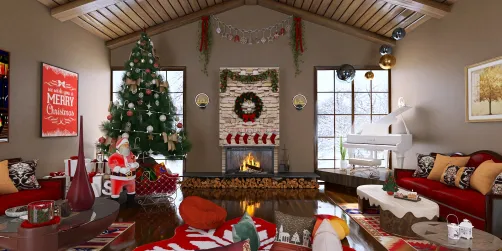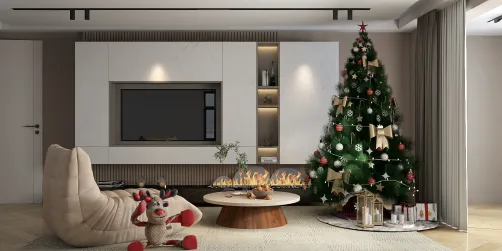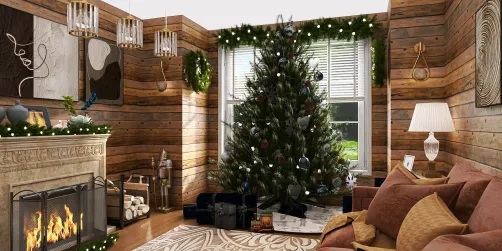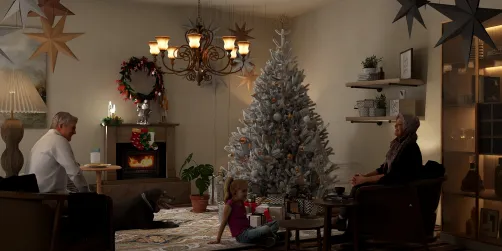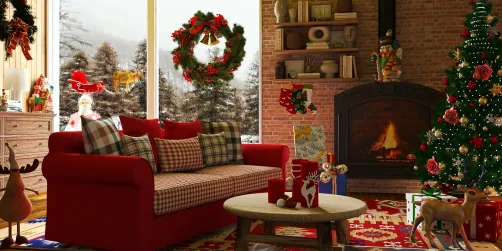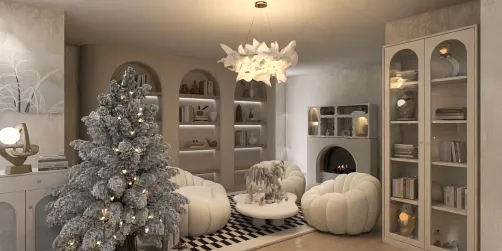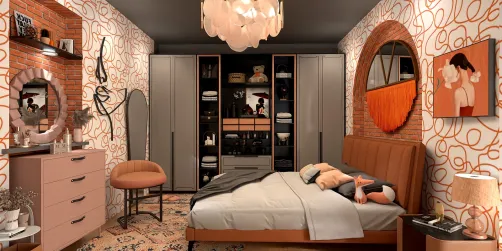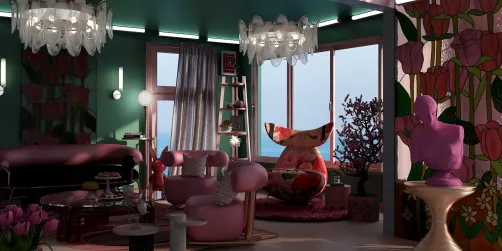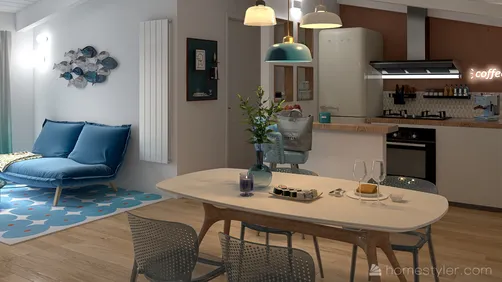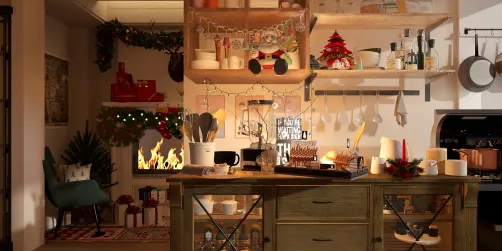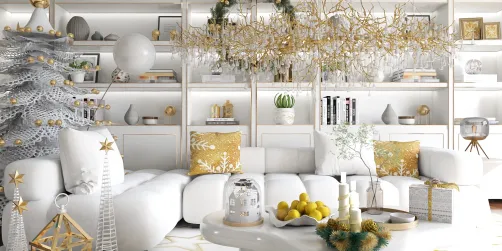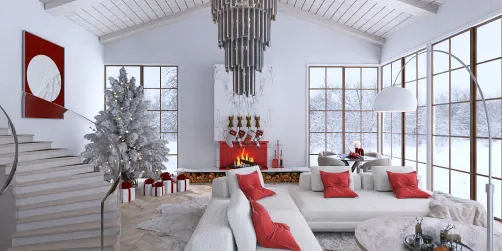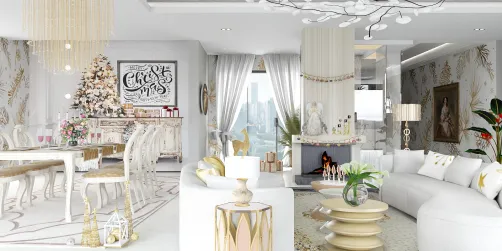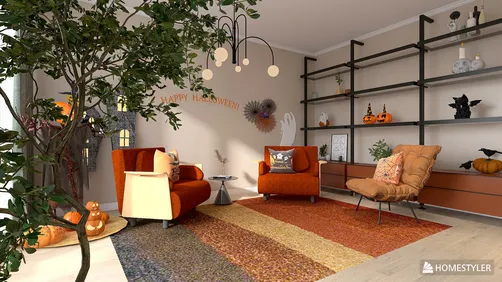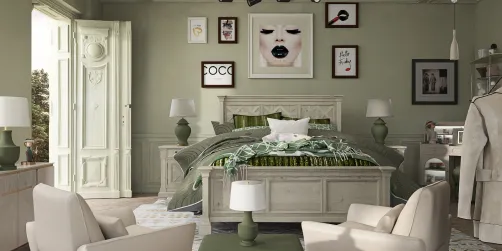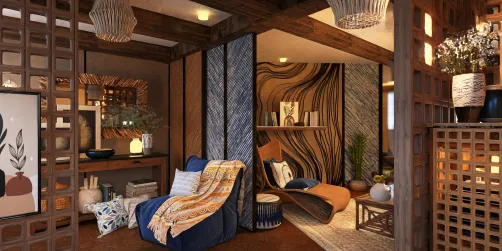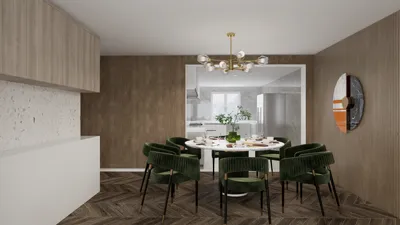
I once had a client who adamantly requested seating for twelve in a space barely large enough to accommodate a rug. With a measuring tape in hand, I nearly shed a tear from the challenge. This close call highlighted how small space limitations can inspire innovative solutions: creative layouts, multifunctional furniture, and a desire to break away from traditional seating norms. Small areas can trigger big ideas, and I want to share five practical inspirations that have consistently helped me create cozy and functional seating arrangements. For efficient planning, I frequently sketch out space-saving seating concepts during initial client meetings, often utilizing tools like Homestyler for visualization.
1. Window Seats: Built-in Banquette Style
Transforming neglected windows into cushioned benches with stored items underneath is one of my favorite tricks. This design generates a continuous line of seating capable of accommodating more guests than separated chairs while cleverly storing throws, trays, or board games. However, it does come with a trade-off: while this is fantastic for homeowners, it poses a challenge for renters unless they opt for freestanding units that replicate the aesthetic.
save pin
2. Modular Sofas and Movable Ottomans
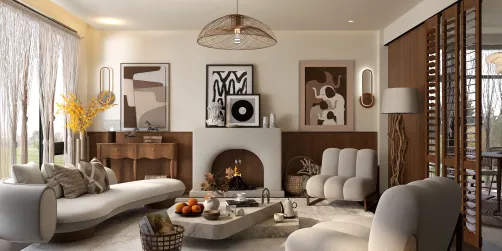
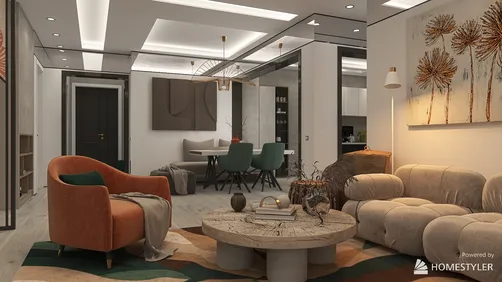
I often prefer modular furniture for its adaptability: combine sections for movie nights or split them into lounge seating as guests arrive. Ottomans serve multiple purposes, acting as extra seating, footrests, or coffee tables when topped with a tray. Although they may not offer the same plush comfort as full armchairs, they excel in flexibility and frequently come at a lower cost.
save pin
3. Utilize Compact Seating: Nesting Stools and Stackable Chairs
Instead of opting for a single large sofa, I occasionally recommend a variety of streamlined chairs, nesting stools, and lightweight poufs. These pieces can easily be tucked away and brought out for parties, which is always a hit with guests. To visualize arrangements, I create quick layout mockups to determine how many seats fit without hindering flow. However, comfort can be a concern—some stools may require cushions for extended use.
save pin
4. Floating Furniture and Thin Profiles to Maintain Sightlines
Positioning furniture away from walls and selecting low-back sofas help preserve sightlines, allowing the room to appear larger while accommodating more seating without creating a cluttered environment. I often pair a slender console table behind a sofa or a narrow floating shelf for drinks, which opens up the floor space. However, achieving balance is key—too slim may look fragile, while overly bulky items can negate space benefits.
save pin
5. Layering Seats: Poufs, Floor Cushions, and Benches
Layered seating arrangements can make compact rooms feel incredibly social. A sofa paired with a few poufs and a bench that also serves as a coffee table can accommodate a surprising number of people. I once designed such a setup for a tiny rental, and guests appreciated the informal atmosphere—it felt like a living room inviting conversations. For added flexibility, consider using lightweight benches that can easily transition into dining areas; I frequently develop quick modular layouts using Homestyler to demonstrate how furniture can serve multiple functions. Just watch for tripping hazards with numerous low seats and ensure clear pathways.
save pin
FAQ
Q1: What’s the fastest way to enhance seating in a small living room without creating clutter?
A: Introduce stackable stools or poufs that can be tucked under tables when not in use, and select ottomans that can function as tables. These options are budget-friendly and promote instant flexibility.
Q2: How much space should I leave between seating and walkways?
A: Aim for a clearance of at least 30–36 inches (76–91 cm) for main walkways to allow comfortable passage, with 18 inches (45 cm) between seating and coffee tables. This maintains both functionality and safety in the room.
Q3: Are built-in benches a worthwhile investment?
A: If you plan to reside in your home for the long haul, definitely—these maximize both seating and storage and give a custom feel. For rental situations, consider freestanding units that mimic built-in designs to avoid permanent alterations.
Q4: How can I enhance the comfort of stools and ottomans?
A: Incorporate removable cushions or small back pillows and choose fabrics with a bit of softness. Lightweight slipcovers can also quickly add warmth and style to plain stools.
Q5: What seating layout promotes conversation in a small room?
A: Arrange seating in a loose circle or U-shape so that faces align towards each other; avoid pushing everything against the walls. This ensures closer interactions among people and fosters easier conversations.
Q6: Can rugs assist with seating arrangements?
A: Absolutely—correctly sized rugs can anchor seating areas. Try to ensure that at least the front legs of sofas and chairs rest on the rug to visually tie the group together.
Q7: Any advice for multifunctional spaces needing both seating and work areas?
A: Incorporate fold-down desks, benches that can double as workstations, or movable seating with casters to easily adapt to different functions. Prioritize versatile pieces to accomplish numerous needs in one area.
Q8: Where can I find guidelines for accessible clearances?
A: For reliable standards, consult AARP’s HomeFit Guide, which recommends 36 inches for primary accessible routes and other age-friendly measures (see https://www.aarp.org/livable-communities/info-2014/aging-in-place-home-modifications.html).
save pin
Homestyler is your go-to online home design platform! With an easy-to-use design tool, stunning 3D renderings, and a wealth of DIY tutorials, you can effortlessly create and visualize your dream space. Perfect for both beginners and seasoned designers looking for inspiration!