

I had a unique experience with a client who was determined to hold onto their impressive childhood collection of 1,200 paperbacks within a modest 35 square meter studio. It crossed my mind to suggest a hidden basement to accommodate their literary passion. This project revealed to me that even the smallest spaces can ignite boundless creativity, demonstrating how a carefully planned layout can transform books from mere clutter into stunning architectural features. Since then, I’ve always regarded every corner as an opportunity for a cozy library—this is where tools like Homestyler come into play, helping visualize these transformations.
1. Embrace verticality with tall, slim built-ins
I truly appreciate tall built-in shelves, as they leverage the vertical space that is often abundant in small homes. In one renovation, I extended shelves all the way up to the ceiling and incorporated a narrow rolling ladder—this turned the books into a striking feature wall instead of an unsightly jumble. The benefits include significant storage without occupying the floor space, although installation costs can be a concern and reaching the top shelf may require creative solutions like spot lighting and sturdy ladders.
save pin
2. Transform under-stair and snug alcoves into storage
Stairs and unconventional nooks are hidden gems for storage. On one occasion, I crafted staggered cubbies beneath a staircase specifically designed for various book sizes—it created a cozy, picture-perfect reading spot. While custom carpentry can be expensive, opting for prefabricated cubes can achieve a similar aesthetic at a fraction of the cost, making your design both budget-friendly and stylish.
save pin
3. Use floating shelves paired with multifunctional seating
Floating shelves keep everything visually uncluttered and can be strategically placed above a slim bench to create a dual-purpose reading nook. I frequently pair shallow wall shelves with benches featuring internal storage, which not only provides more seating but also keeps magazines and seasonal books out of sight. If you're looking to experiment with layouts prior to purchasing, tools like Homestyler can help you visualize these designs in 3D, preventing any unwanted heights or gaps.
save pin
4. Consider door and vertical-edge solutions
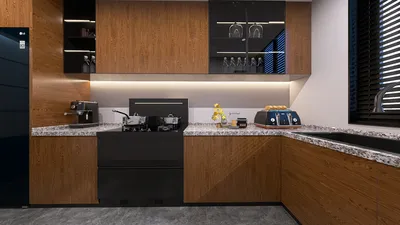
Don't overlook the potential of doors and the slim edges of cabinets—over-the-door organizers, thin vertical shelves adjacent to closets, and even magnetic strips can effectively store small paperbacks and cookbooks. In a particularly compact kitchen, I utilized a narrow profile system to ensure popular cookbooks were easily accessible without cluttering countertops. The key is to maintain balance: an overabundance of items on doors can create chaos, so aim to limit the selection to items you reach for regularly.
save pin
5. Explore modular cubes and clever hidden storage solutions
Modular cube systems offer impressive flexibility, allowing you to rearrange as your needs evolve—stack them, stagger them, or use them as a creative room divider. For clients with ever-changing collections, I often suggest using cubes topped with cushions to serve as extra seating. Tech enthusiasts might enjoy exploring AI-assisted tools like Homestyler to optimize the arrangement of these modules while keeping in mind that varying heights and adding greenery can prevent a boxy feel in your space.
save pin
FAQ
Q1: What are the best options for storing books in tiny spaces?
A1: Choosing vertical solutions such as tall built-ins, floating shelves, and under-stair cubbies is most effective, as these options free up valuable floor area. Combine them with multifunctional pieces like benches with hidden storage to maximize utility further.
Q2: How can I keep books safe in humid environments?
A2: Employ dehumidifiers, keep books elevated from damp floors, and ensure proper airflow in sealed cabinets. Additionally, using silica gel packs in enclosed boxes can safeguard special editions.
Q3: Are floating shelves strong enough to support heavier books?
A3: Quality floating shelf systems equipped with metal brackets can support significant weights; however, it’s essential to verify weight limits and securely anchor them into wall studs for safety.
Q4: What budget should I set aside for custom built-ins?
A4: Anticipate a moderate starting cost for custom carpentry, which can rise based on material choices; a basic built-in may only cost a few hundred dollars for MDF, while upscale hardwood designs with integrated lighting will run several thousand.
Q5: Is it possible to utilize open storage without creating a cluttered look?
A5: Absolutely—curate items by color, size, or subject matter, leaving space on shelves for breathing room. Mixing books with decorative objects can help break the monotony and prevent overwhelming views.
Q6: What are some quick, temporary storage solutions for renters?
A6: Freestanding ladder shelves, modular cubes, and over-door organizers are excellent renter-friendly options—they offer impactful aesthetics without the need for permanent installations.
Q7: How many books can I fit per linear meter of shelving?
A7: Generally, around 30–40 average paperbacks fit per linear meter, with hardcovers requiring more space. It’s wise to measure a sample from your collection for accurate calculations.
Q8: Where can I find design guidelines for shelving safety and spacing?
A8: For reliable guidance on shelving safety standards and load capacities, consult industry standards established by organizations like the American Library Association. Additional information can be found on their website at https://www.ala.org.
save pin
Discover the ease of home design with Homestyler! This intuitive online platform offers a fantastic design tool, stunning 3D renderings, and a wealth of inspiring design projects. Plus, with helpful DIY video tutorials, you can effortlessly transform your space into a dream home.
Diseño ahora GRATIS
































