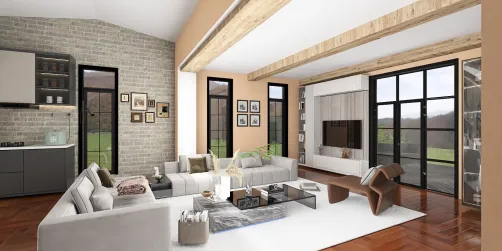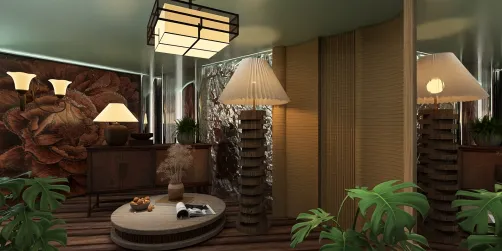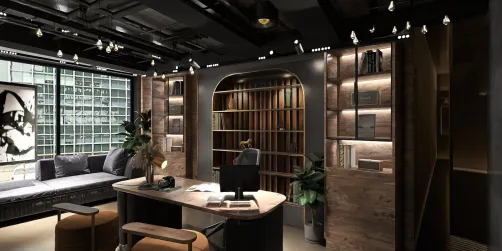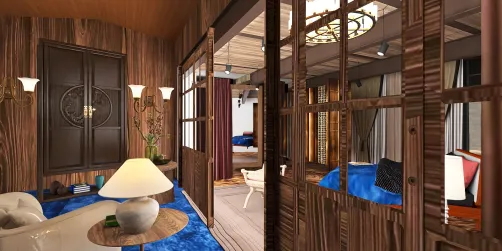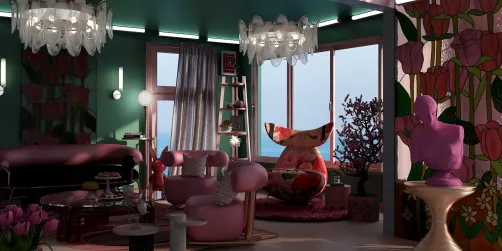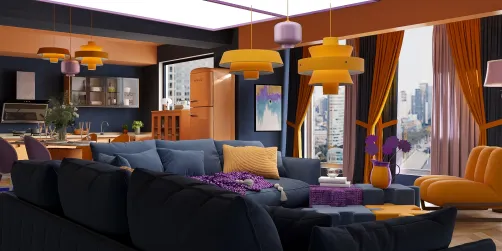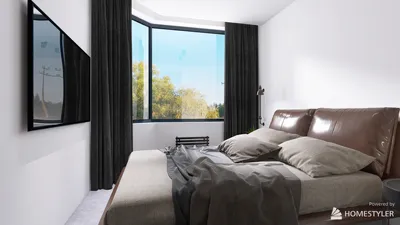
Once, I had a client who insisted on a large sunflower above their bed—but only in gray tones, as they preferred a calming atmosphere over chaos. This intriguing contradiction prompted me to create delicate floral washes that appeared like wallpaper from afar. This experience taught me that compact spaces can ignite immense creativity, and often the best outcomes arise from serendipitous mistakes. If you're fond of whimsical botanicals yet apprehensive about their scale, here are five ideas that are practical, budget-friendly, and a touch cheeky. Explore some small space strategies I applied in a studio that needed vibrancy without clutter.
1. Single-stem accent — the understated statement
Choose one wall to paint a tall, single stem or branch stretching from the baseboard to the ceiling. This visual elongation enhances the room's height and lends an elegant touch without overwhelming the furnishings. The advantages include low cost and minimal maintenance; however, it requires precise placement to avoid appearing as an afterthought.
save pin
2. Watercolor florals — soft, forgiving, rental-friendly
Using diluted acrylics or water-based paints allows you to feather edges, making mistakes blend seamlessly into the overall design. Once, I revitalized a small kitchen by softening a bold wallpaper pattern with hand-painted blooms that mirrored the design. These floral creations give an impression of luxury but can be easily removed or painted over when relocating, although layering them for depth can be time-consuming.
save pin
3. Stencil clusters — efficiency and consistency
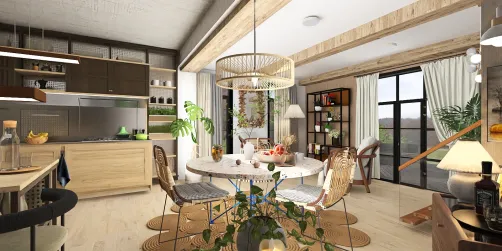
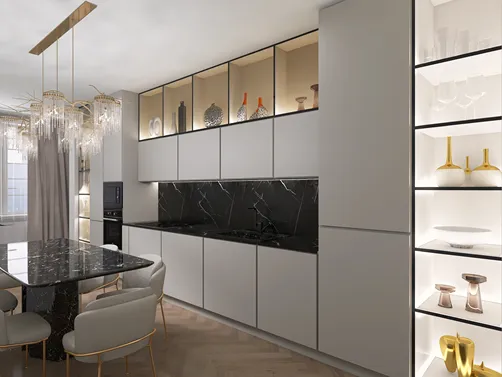
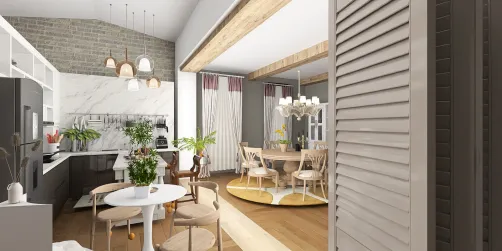
Employing stencils enables the creation of uniform motifs across a hallway or nursery—saving time and keeping costs down, which is ideal for renters or quick refreshes. I suggest selecting two different sizes of the same flower to establish visual rhythm; this will yield a polished appearance swiftly, though seams need careful attention to avoid being perceived as mistakes. When considering how your painted feature integrates with functional areas like kitchens, think about aligning motifs with your cabinetry—here's some impressive kitchen layout inspiration that aided me in designing a mural around a narrow galley.
save pin
4. Accent corners — small blooms, big presence
My secret for awkward entryways is corner murals: by painting a cluster of tiny flowers that ascend from the floor into the corner, you create a sense of depth. This approach is low commitment yet brings substantial charm; the challenge lies in maintaining scale to ensure that the flowers don’t compete with lighting or mirrors. For a budget-friendly tip, blend inexpensive craft paints with metallic highlights on a few petals for an upscale effect without the expense.
save pin
5. Feature panel — framed botanical display
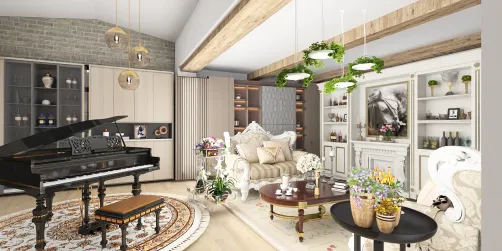
Construct a painted panel encased by trim or a painted border to resemble artwork—ideal for living rooms or above beds. This method allows experimentation with bolder colors, as the panel is perceived as intentional art; it does require a bit more effort and possibly some preparation for clean edges. If you're curious about how a large mural will integrate into your space, I often utilize 3D render examples to adjust scale and lighting before any paintbrush touches the wall. With the help of Homestyler, I can visualize these designs effectively.
save pin
FAQ
Q1: Which paints are best suited for wall flowers?
I typically suggest water-based acrylic or latex paints for interior use—they dry quickly and are easy to clean. To achieve smoother blending, incorporate a small amount of glazing medium.
Q2: Is it permissible to paint flowers in a rental space?
Absolutely—employ stencils or gentle washes that can be easily covered, and keep a sample pot of the wall color handy for quick touch-ups when it’s time to move.
Q3: What is the usual duration for a mural project?
Smaller accent pieces may take a few hours, while a feature panel could require an entire weekend. Larger full-wall murals can take anywhere from one to several days, depending on the number of layers and drying times.
Q4: Do I need to prime the wall beforehand?
Priming is advisable on new drywall or repaired areas; it helps achieve truer colors and prevents uneven absorption, particularly with lighter floral designs.
Q5: How can I determine proper scale for a compact room?
Opt for a single large bloom or vertical stems instead of numerous tiny flowers; larger, simpler shapes are more visible from a distance and prevent visual clutter.
Q6: What should I consider regarding lead paint in older homes?
If your residence was constructed prior to 1978, adhere to EPA Renovation, Repair and Painting (RRP) guidelines—the EPA advises conducting tests and utilizing certified procedures to mitigate lead hazards (EPA.gov).
Q7: Are there quick techniques for painting realistic flowers?
Layer colors from light to dark, incorporate dry-brushing for texture, and think about applying a final glaze to harmonize hues. Practice on cardboard first to finesse petal shapes.
Q8: Can novices achieve professional-looking results?
Certainly—begin with stencils or a framed panel, keep your color palette limited, and frequently step back to assess balance; small, confident strokes are preferable to overly intricate details every time.
save pin
Homestyler is your go-to platform for transforming home design ideas into reality! With an easy-to-use online design tool, stunning 3D renderings, a wealth of design projects, and helpful DIY video tutorials, you’ll create inspiring spaces in no time. Perfect for all skill levels!