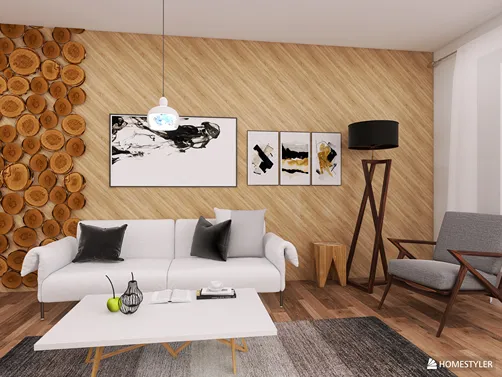
I once had a client who insisted on positioning their couch to face the sink, claiming they loved watching pasta boil while binge-watching shows. This unusual request made me reconsider sightlines and storage options. That experience highlighted how small open spaces can lead to remarkably inventive solutions. Now, I frequently utilize an interactive room preview tool like Homestyler to test out ideas before making any purchases.
1. Define Zones with Low-Profile Furniture
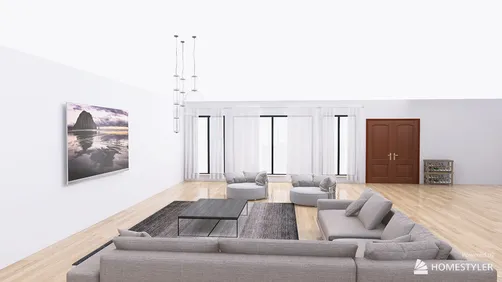
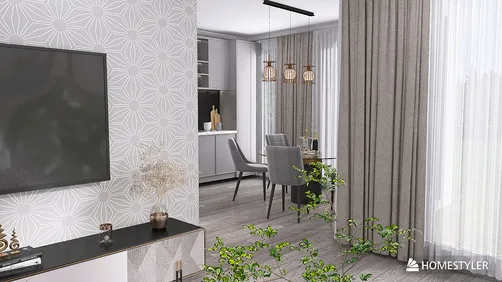
I prefer utilizing a slim sofa or a bench to subtly distinguish the living area from the kitchen without obstructing light. This strategy promotes visual flow and flexibility. The only drawback is that it necessitates a willingness to use fewer large pieces, encouraging a modular approach — this is where inventive cushions and a narrow console become essential.
2. Implement Continuous Flooring and a Unified Color Scheme
Maintaining the same flooring and a harmonious color palette can visually enhance the spaciousness of the area. This method is budget-friendly and carries low risk, though it requires layering textures and accents to avoid a monotonous appearance. I typically suggest a warm wood tone complemented by two repeating accent colors across both spaces.
save pin
3. Consider Floating Multifunctional Islands
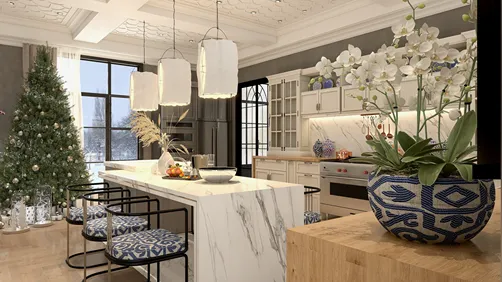
A narrow island that serves multiple purposes such as food prep, dining, and media display can act as a central hub. It combines practicality with sociability, but it's crucial to measure clearances; a quick sketch using tools like Homestyler can help confirm circulation patterns. In one of my projects, I transformed an island into a breakfast bar while incorporating additional storage, which my clients found exceptionally efficient.
save pin
4. Optimize Vertical Storage and Concealed Appliances
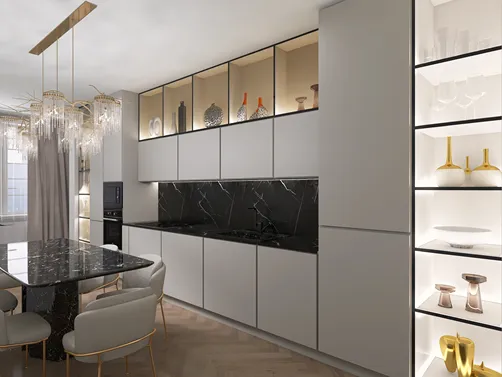
Utilizing tall cabinets, open shelving above eye level, and appliances hidden behind panels can lead to cleaner surfaces with more storage options. While this approach exudes a sleek appearance, it requires careful layout planning to prevent a top-heavy look — I often balance visual weight with lower open shelves and a lighter backsplash.
save pin
5. Emphasize Light, Ventilation, and Intelligent Lighting Layers
Appropriate daylight, a decent ventilation hood, and well-thought-out lighting layers can make a small kitchen-living combination feel luxurious. A smart investment in lighting controls and a clever cooktop arrangement pays dividends; a well-planned cooking zone prevents odors and clutter from encroaching into the living area — I often refer to a smart kitchen layout case to optimize tight plans.
save pin
FAQ
Q1: What is the optimal layout for a tiny open kitchen and living room? Typically, I recommend either an L-shape or a single-wall configuration with a floating island; these layouts facilitate clear circulation and allow for versatile seating. Both are easily adjustable with modular furniture.
Q2: How can I avoid cooking odors in the living area? If feasible, install a vented hood that exhausts outside, and utilize layered lighting to demarcate zones; regular quick ventilation is also beneficial. Effective hood performance is among the most significant upgrades to enhance life quality in an open plan.
Q3: Can I fit a dining table in a compact open area? Absolutely — opt for fold-down or extendable tables, or use the island as a dining surface. Built-in benches against a wall optimize seating without bulky chairs.
Q4: Which flooring is best for continuity across both zones? Durable, uninterrupted flooring such as engineered wood or quality vinyl plank visually unifies the space and withstands kitchen foot traffic well. Choose a finish that conceals crumbs and scratches, especially if you entertain frequently.
Q5: How can I create a cozy living area without crowding the kitchen? Layering rugs, opting for poufs instead of additional chairs, and selecting a small-scale coffee table can create a cozy ambiance. Clear sightlines give the entire area a more spacious feel even with fewer furnishings.
Q6: Are there ventilation guidelines I should follow? Yes — for quality indoor air and cooking ventilation standards, refer to authoritative resources like the U.S. EPA (visit the EPA's indoor air quality recommendations: https://www.epa.gov/indoor-air-quality-iaq). Adequate ventilation minimizes pollutants and moisture transfer between areas.
Q7: What budget should I allocate for a smart open-plan upgrade? A modest enhancement focusing on paint, lighting, and a versatile island can be quite cost-effective; anticipate a larger budget if relocating plumbing or changing flooring. I always reserve a contingency fund to account for unexpected measurements or appliance lead times.
Q8: Do you have any quick staging tips for when guests arrive? Keep countertops tidy, create a simple vignette on the island, and add a warm lamp near the seating area to instantly enhance the ambiance. Small details like a tray for remotes and a plant can make a significant difference.
save pin
Homestyler is your go-to online home design platform, ideal for both beginners and seasoned decorators. With its user-friendly design tool, stunning 3D renderings, and a wealth of DIY video tutorials, you can effortlessly transform your ideas into reality and create your dream space!