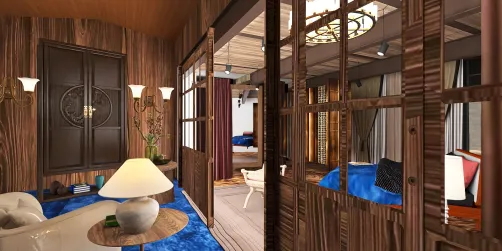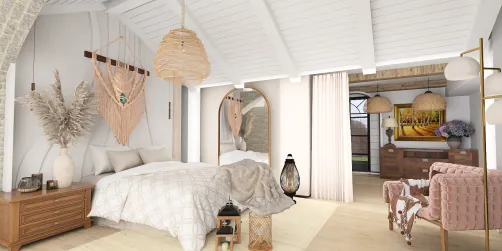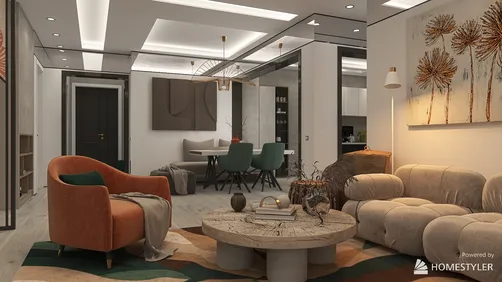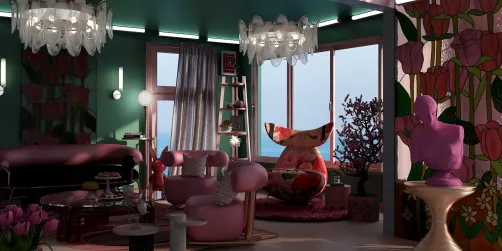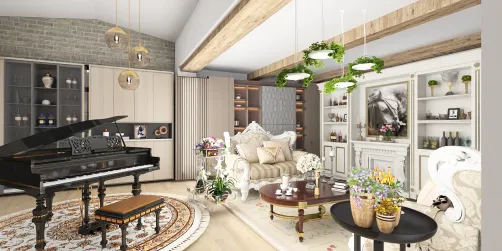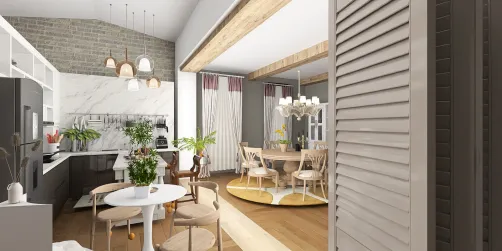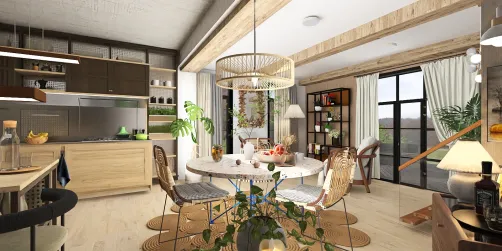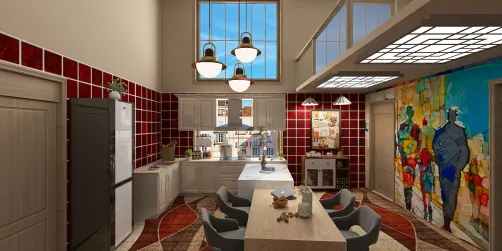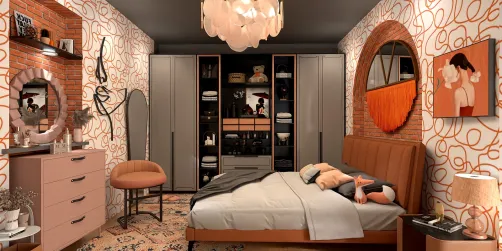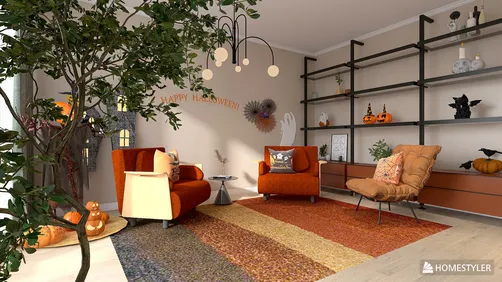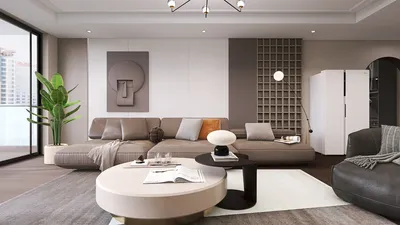
I had a client who once insisted on fitting a full dining table, a sofa, and even a piano into a mere 300 sq ft living room. Initially, I found it amusing, but this experience taught me how to create layouts that seem impossible. Working with small spaces encourages creative thinking and careful planning; I often begin by visualizing furniture arrangements to ensure we both agree on the flow and scale before finalizing anything.
1. Utilize multifunctional furniture
I am a fan of sofas that offer storage solutions or coffee tables that transform into dining surfaces. The advantages are clear: fewer individual pieces with enhanced functionality. However, this might limit style options, so I like to incorporate a standout accessory to maintain a curated feel in the room. Homestyler is excellent for visualizing these concepts.
save pin
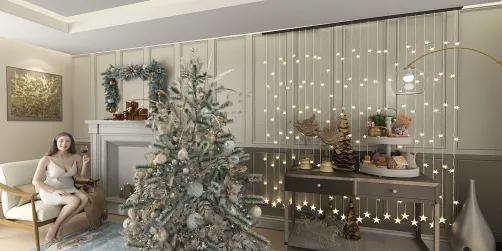
2. Create distinct zones using rugs and lighting
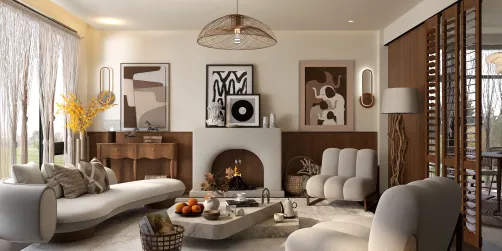
In an open-plan living room, applying rugs and layered lighting can act as invisible partitions. They help define areas for conversation, TV watching, and dining, all without obstructing light. This method is both cost-effective and reversible, but it's essential to select appropriate rug sizes and light levels to prevent visual clutter.
save pin
3. Arrange furniture to enhance flow
The common tendency to push all furniture against the walls can leave a room feeling unbalanced. I often prefer to float a loveseat or place a slender console behind a sofa to facilitate circulation. Using tools like Homestyler allows you to experiment with small-space layouts and adjust measurements prior to purchase. While this might require a tiny bit more floor space, it offers significantly improved sightlines and a polished ambiance.
save pin
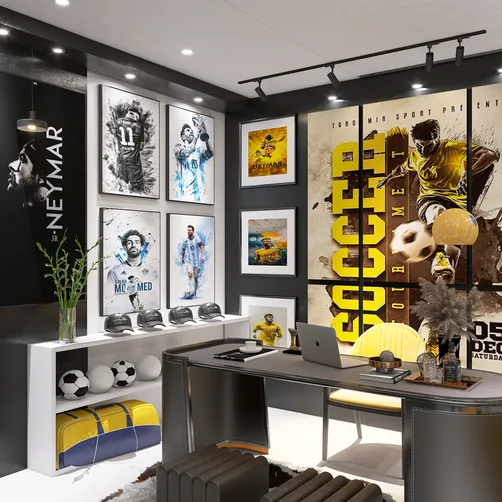
4. Employ vertical storage and curated wall displays
When floor space is limited, it’s essential to think vertically. Install tall shelving, wall-mounted cabinets, and vertical artworks to draw the eye upwards, thus freeing up the ground area. This can seem visually overwhelming, so I advise balancing open and closed storage. Curated groupings can significantly enhance the aesthetic, preventing a cluttered appearance.
save pin
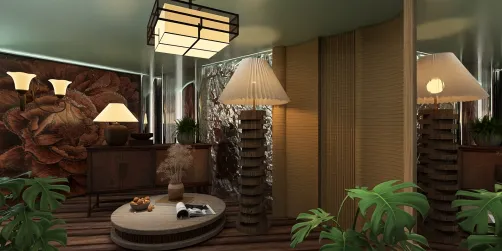
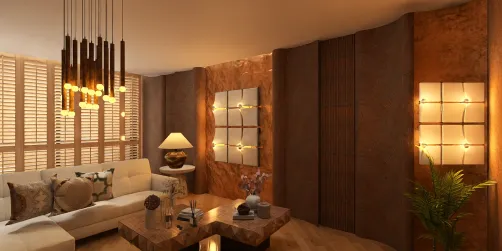
5. Choose light, reflective colors alongside layered lighting
Using light colors and reflective materials can boost natural light and create an illusion of a larger space in a small living room. I typically design a lighting strategy that includes ambient, task, and accent layers, and then use 3D mockups to visualize how the lighting plan will work, courtesy of tools like Homestyler. The minor challenge here is upkeep, as glossy surfaces often show smudges, but the spatial benefits outweigh the maintenance effort.
save pin
FAQ
Q: What paint colors can make a small living room appear larger? Lighter neutral shades, such as warm whites, pale greys, or soft pastels, reflect more light and create an open atmosphere. I usually suggest testing paint swatches on various walls, since the sun’s orientation can influence how warmth is perceived.
Q: In what way can I personalize a rental living room? Removable wallpaper, layered rugs, and plug-in lighting offer a chance to style a room without making permanent modifications. Removable hooks and floor-to-ceiling tension rods are also fantastic solutions for setting up display areas.
Q: Are large furniture pieces unsuitable for compact apartments? Not necessarily; a single well-proportioned statement piece can enhance the room's focus more effectively than multiple smaller items. The crucial element lies in scale: ensure clear walkways of at least 24–30 inches to maintain easy movement.
Q: How should I choose the perfect rug size? In smaller living spaces, opt for a rug that accommodates at least the front legs of major seating, as this will unify the arrangement. If space is tight, slightly larger rugs can visually enhance the layout.
Q: Do mirrors genuinely make a room feel more spacious? Absolutely — mirrors reflect light and extend sightlines, particularly when strategically placed opposite windows or focal elements. Use them wisely to avoid amplifying clutter in the reflection.
Q: What types of lighting layers should I include? You’ll want to integrate ambient (overhead), task (reading or work), and accent (focal points or art) lighting for versatility and depth. According to the U.S. Department of Energy, utilizing energy-efficient LEDs in these lighting layers can decrease energy consumption while enhancing light quality.
Q: What budget-friendly initiatives can create significant impact? Simple changes like swapping textiles (throw pillows, curtains), adding a statement lamp, or rearranging furniture can transform the space instantly. Incremental upgrades, such as replacing cabinet hardware, can also enhance the overall ambiance without requiring substantial investment.
Q: How can I balance aesthetics with storage requirements? Incorporate closed storage to hide clutter alongside open shelving for displaying items; consider multifunctional furniture that maximizes space and prioritizes vertical options. I tend to sketch out my ideas, focusing on optimizing daily-use storage near seating for easy access.
save pin
Discover the ease of home design with Homestyler! This user-friendly platform offers an intuitive online design tool, stunning 3D renderings, and a treasure trove of design projects and DIY video tutorials. Bring your creative vision to life effortlessly and transform your space today!