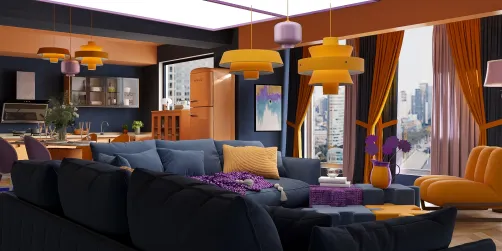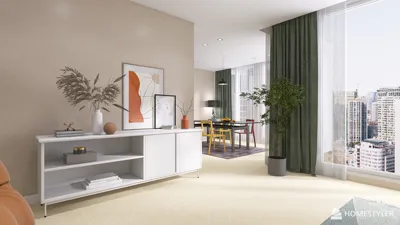
With over ten years in home design, I can confidently say that sectionals are experiencing a significant trend. Whether it's in spacious lofts or snug urban apartments, sectionals have emerged as a favored choice thanks to their blend of aesthetics and functionality. I've noticed that especially in smaller spaces, the most innovative designs often come to life. Here are 10 creative living room design concepts that incorporate sectionals—this list includes both my personal client experiences and validated insights to guide you in crafting your ideal lounge area.
1. Minimalist Sectional with Neutral Palette
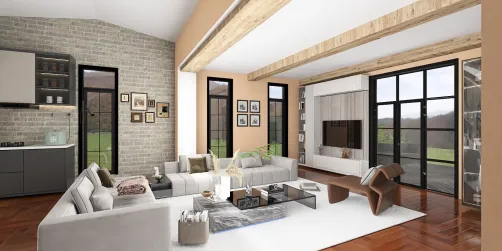
My Perspective: In one project, I designed a cozy 28 m² living room, where a light beige sectional served as a focal point, significantly enhancing the room's sense of space by maintaining a neutral palette.
Benefits: Neutral hues harmonize seamlessly with various decor styles and enhance light reflection, contributing to a more open feel. As stated by Architectural Digest, soft beiges and grays are classic choices for long-lasting living room aesthetics.
Drawbacks: Lighter fabrics can reveal dirt and stains more readily, requiring a bit more effort on cleaning.
Tip: Incorporate textured throws to introduce a tactile element while keeping within the color scheme.
2. Glass Coffee Table for an Open Flow
My Perspective: At a compact condo, I paired a deep charcoal sectional with a streamlined glass coffee table that maintained unobstructed sightlines, making the room feel less cluttered.
Benefits: Glass surfaces create a perception of increased space and complement sectional seating beautifully, accentuating the overall flow of the room.
Drawbacks: These tables require regular cleaning to mitigate smudges, and they may not be the best fit for homes with playful pets or young children.
Tip: Opt for tempered glass for enhanced durability and family-friendly safety.
3. L-Shaped Layout for Conversation
My Perspective: L-shaped sectionals act as my secret to designing natural conversation areas without any need for walls, effortlessly defining space.
Benefits: They provide abundant seating while promoting flow in open living areas. A wisely positioned L-shaped layout not only optimizes coffee table space but also serves as a subtle space divider.
Drawbacks: In narrow rooms, they can feel bulky—I've had clients who underestimated dimensions and felt constrained.
Tip: Measure carefully and leave at least 75–90 cm of walking space around the sectional.
4. Modular Sectionals for Flexibility
My Perspective: I am a huge fan of modular sectionals due to their adaptability—I've reconfigured these pieces for clients transitioning from a studio to a family-friendly abode.
Benefits: These sections can be rearranged or expanded to match new layouts, making them ideal for renters or growing families.
Drawbacks: The quality can differ significantly; less expensive modular options may lack endurance over time.
Tip: Invest in high-performance fabrics to ensure longevity.
5. Sectional with Built-in Storage
My Perspective: For a couple residing in a 40 m² apartment, I recommended a sectional that concealed deep storage beneath the chaise, perfect for stowing away blankets and games.
Benefits: This design maximizes the available space in compact living areas and minimizes clutter. According to Houzz's latest survey, multifunctional furniture ranks as a top priority for urban homeowners.
Drawbacks: These pieces can be weighty to move and may restrict airflow to the cushions.
Tip: Utilize vacuum bags for textiles stored inside to diminish moisture accumulation.
6. Pairing Wood Elements for Warmth
My Perspective: A warm oak side table alongside my client's cream sectional instantly softened the modern lines, making the space feel inviting.
Benefits: Natural wood infuses warmth and character, creating a lived-in feel even in minimalist areas. Such wood accents beautifully enhance nature-inspired palettes.
Drawbacks: Wood requires maintenance to prevent scratches and fading.
Tip: Always use coasters and furniture pads to maintain a pristine surface.
7. Low-Profile Sectionals for Small Rooms
My Perspective: In a tight living space, I opted for a low-profile sectional that didn’t obstruct the window, allowing for uninterrupted views and light.
Benefits: It creates the illusion of higher ceilings and sustains brightness throughout the area.
Drawbacks: Lower seating can be uncomfortable for taller individuals over long periods.
Tip: Combine it with a high-legged coffee table to balance the proportions.
8. Bold Colored Sectional as a Statement Piece
My Perspective: A vibrant deep emerald green sectional served as a stunning centerpiece in one of my designs, transforming a dull room into an inviting lounge.
Benefits: This choice serves as an immediate focal point, reducing the necessity for elaborate décor.
Drawbacks: It can limit flexibility if you frequently wish to update color schemes.
Tip: Counterbalance with neutral walls and rugs so the sectional remains the standout feature.
9. Sectional with Chaise Lounge
My Perspective: Chaise lounges are ideal for a leisurely evening—I'll never forget curling up on one with my laptop to finalize presentations.
Benefits: This design integrates both seating and lounging into a single footprint, great for reading or napping. Additionally, the chaise element adds extra relaxation space, subtly enhancing the seating capacity without needing additional chairs.
Drawbacks: Such designs may not work in extremely tight rooms, as they necessitate extra clearance.
Tip: Position a floor lamp behind the chaise to craft a cozy reading nook.
10. Mixing Textiles for Depth
My Perspective: Collaborating on a project where I combined a velvet sectional with linen cushions and a chunky knit throw significantly enriched a compact loft space.
Benefits: Layering various materials grants a rich, tactile feel to the space while still remaining functional.
Drawbacks: More textiles entail increased upkeep, particularly if you deal with frequent spills or dust.
Tip: Maintain a consistent color scheme so the diversity feels deliberate, rather than chaotic.
Conclusion
Designing a living room around a sectional is about making smart choices rather than merely opting for size. A compact area can be both luxurious and functional. As Elle Decor highlights, the trick lies in tailoring the design and material selections to complement your lifestyle. Which of these 10 creative sectional living room designs would you implement in your home?
FAQ
1. What size sectional is best suited for a small living room?
Opt for a low-profile or two-piece sectional that measures under 2.7 meters to ensure open floor space and smooth traffic flow.
2. How can I style a sectional in an open-plan space?
Utilize rugs and lighting to delineate the seating area; L-shaped configurations are effective in subtly separating spaces.
3. Are sectionals a practical choice for families with children?
Absolutely—choose durable, washable fabrics and rounded edges for enhanced safety. According to Houzz, performance fabrics are increasingly favored for this purpose.
4. Is it possible to alter the configuration of my sectional later on?
Yes, modular sectionals are specifically designed for reconfiguration, making them perfect for renters or those with changing needs.
5. What distinguishes L-shaped sectionals from U-shaped ones?
L-shaped sectionals are ideal for smaller rooms, while U-shaped ones offer additional seating and suit larger family gatherings.
6. What can I do to make a sectional the focal point of my room?
Select a vivid color or unique fabric such as velvet, and complement it with understated accents around it.
7. Should I match my coffee table with my sectional?
Not necessarily—mixing materials creates more visual intrigue; for instance, pair a fabric sectional with a glass or wooden table.
8. Where can I find inspiration for arranging sectionals?
Explore curated room layouts, such as a 3D floor planner showcasing sectional arrangements, to visualize options before making a purchase.
Looking to transform your space? Homestyler is your go-to online home design platform! With its user-friendly design tool, stunning 3D renderings, a plethora of design projects, and helpful video tutorials, you can effortlessly create your dream home. Dive in and start designing today!