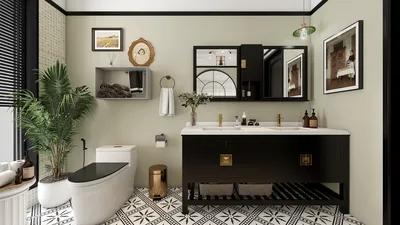


In recent times, open-concept living and dining room designs have surged in popularity within the realm of interior décor. Having undertaken numerous such transformations myself, I've discovered that compact spaces often ignite the most innovative solutions. Merging dual functionalities in a single area requires thoughtful consideration of zoning, storage, and aesthetics. This article presents 10 creative open living and dining room concepts that I've successfully implemented for clients and even in my own residence, combining practical experience with expert advice, enhanced by tools like Homestyler.
1. Minimalist Color Palette
My Insight: I've realized that limiting the color scheme in an open living-dining space cultivates a sense of unity and tranquility. In one project, we opted for gentle grays paired with warm beiges, instantly making the area appear larger and more inviting.
Advantages: A minimalist color scheme reduces visual chaos and allows the shapes and textures of furniture to shine, creating a coherent open layout. Notably, research from Elle Decor indicates that minimalism contributes to a more breathable atmosphere within rooms.
Disadvantages: Without incorporating various textures or accent materials, the space may seem dull or overly sterile.
Advice: Introduce layered textured fabrics such as linen and wool to enhance visual depth.
2. Area Rugs for Zone Definition
My Insight: I frequently employ area rugs to visually distinguish the living area from the dining zone without the need for physical barriers. This budget-friendly method proves especially effective in rental homes.
Advantages: Separating spaces visually prevents the ‘floating furniture’ aesthetic and adds a comforting layer beneathfoot, enhancing overall coziness.
Disadvantages: Opting for rugs that are too small or inconsistently patterned may disrupt the flow and coherence of the space.
For instance, combining a jute rug under the sofa with a patterned kilim beneath the dining table established clear distinctions while maintaining harmony, similar to efficient kitchen storage designs where defining zones improves fluidity.
3. Statement Lighting Above the Dining Table
My Insight: A bold chandelier or pendant light suspended over the dining table creates a focal point within the open space. I once incorporated a large rattan pendant that introduced a touch of organic texture.
Advantages: This feature not only highlights the dining area but also infuses personality into the room and enhances task lighting for mealtimes.
Disadvantages: Selecting fixtures that are excessively large or hung too low can create glare or obstruct views.
4. Low-Back Sofas for Open Sightlines
My Insight: I appreciate how low-back sofas maintain an airy and connected feel throughout the space. They provide subtle separation without obstructing sightlines.
Advantages: Ideal for compact apartments where maintaining openness while establishing functional divisions is essential.
Disadvantages: They may provide less head support for lounging, which some individuals may find uncomfortable.
5. Uniform Flooring Throughout
My Insight: Maintaining consistency in flooring is a straightforward yet effective way to create a sense of space in an open living-dining area. My favorite choice is light oak planks, which impart both warmth and brightness.
Advantages: Homogeneous flooring removes visual barriers, contributing to a seamless flow throughout the area. The National Association of Home Builders highlights that consistent flooring is among the top preferences for homebuyers.
Disadvantages: It limits the scope for differentiating zones through contrasting flooring styles.
6. Multi-Functional Furnishings
My Insight: Dining tables that serve as desks or consoles effectively utilize space. I've successfully introduced this for clients working from home without designated office spaces.
Advantages: This strategy maximizes every square foot, particularly in smaller open environments, catering to versatile lifestyles.
Disadvantages: If not properly managed, it could lead to clutter as items fluctuate between uses.
I've witnessed excellent outcomes when this approach is paired with an L-shaped layout that opens up counter space, increasing flexibility.
7. Built-In Storage Benches
My Insight: I once created a bench along the dining side of the room, complete with deep drawers beneath for storing linens and seasonal decor, which was extremely well received.
Advantages: This addition provides both seating and discreet storage without taking up extra space, making it perfect for compact layouts.
Disadvantages: It tends to be less flexible than freestanding chairs and might incur custom carpentry expenses.
8. Uniform Window Treatments
My Insight: Applying the same curtain style throughout an open area fosters harmony. In a particular project, floor-to-ceiling sheer curtains softened the environment beautifully.
Advantages: This approach unifies the aesthetic of the combined spaces and enhances natural light diffusion.
Disadvantages: It may limit the ability to block light differently in each area.
9. Accent Walls for Character
My Insight: Within an open layout, a single standout accent wall can inject drama without overwhelming the space. I often select a striking paint color or textured wallpaper to be placed behind the dining area.
Advantages: This feature captures attention and helps define areas; it’s effective for adding character without contributing to clutter.
Disadvantages: Overusing accent walls can cause the room to appear fragmented and diminish cohesion.
Blending an accent wall with warm wood accents can create a visually striking yet comforting impression.
10. Sliding Glass Partitions
My Insight: For clients desiring both openness and occasional separation, I favor sliding glass partitions as a clever solution.
Advantages: These partitions enable light flow while helping to control sound and kitchen odors.
Disadvantages: Installation can be expensive and requires meticulous measurements.
Advice: For a softer visual separation, consider using frosted glass.
Summary
An open living and dining area can offer both style and functionality — indeed, it encourages smarter design strategies. The American Institute of Architects emphasizes that multifunctional spaces are vital for contemporary homes. Which of these 10 creative concepts would you be eager to incorporate into your own home?
FAQ
1. What is the ideal color scheme for an open living and dining area?
Neutral and cohesive palettes such as soft gray, beige, or warm white assist in unifying the zones while allowing for accent colors in décor.
2. How can I enhance the coziness of my open living and dining area?
Utilizing layered rugs, warm lighting, and textured fabrics can contribute to a warm atmosphere without diminishing the space.
3. Is it permissible to mix different flooring materials in open living and dining layouts?
You can mix, but for a seamless appearance, experts like the NAHB recommend maintaining consistent flooring across both areas.
4. Can I position the sofa with its back facing the dining space?
Certainly, particularly with low-back sofas that subtly delineate space while keeping sightlines clear.
5. What are effective ways to incorporate storage in an open living and dining room?
Built-in benches, console tables, and vertical shelving are excellent options to keep clutter concealed.
6. Do light fixtures in the living and dining areas need to match?
While it’s not mandatory for them to match precisely, selecting complementary designs and finishes helps maintain coherence.
7. How can I create separation between dining and living spaces without walls?
Consider using area rugs, varied lighting, or furniture arrangements to establish visual boundaries — principles similar to those applied in 3D home layout visualization using tools like Homestyler.
8. Is the open floor plan still a trend for 2024?
Absolutely — open concepts continue to thrive, with a growing emphasis on adaptable partitions and zones tailored for work-from-home lifestyles.
Homestyler is your go-to online home design platform for transforming your space effortlessly. With its user-friendly design tool, stunning 3D renderings, and a wealth of design projects and DIY video tutorials, you can unleash your creativity and visualize your dream home like never before!
Design Now for FREE
































