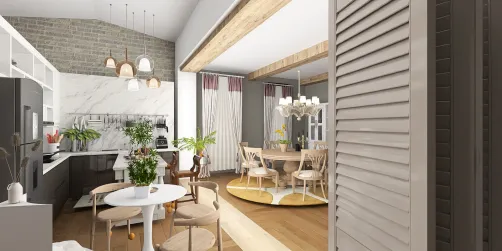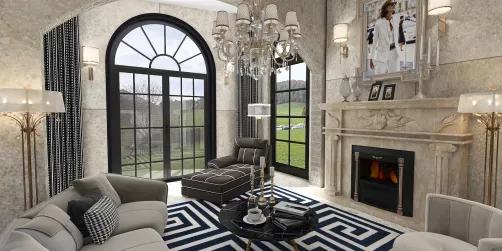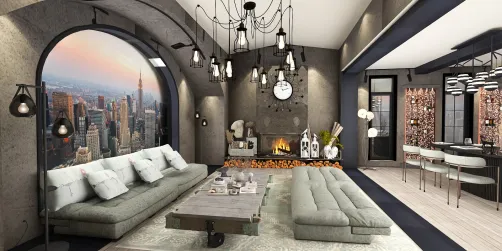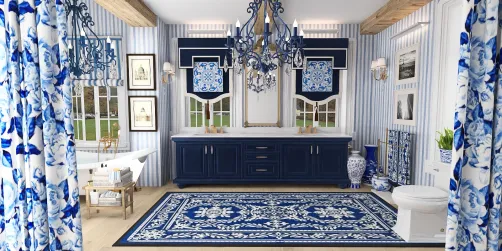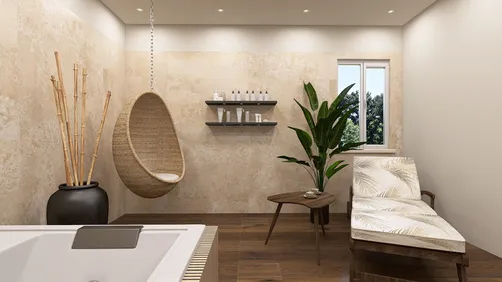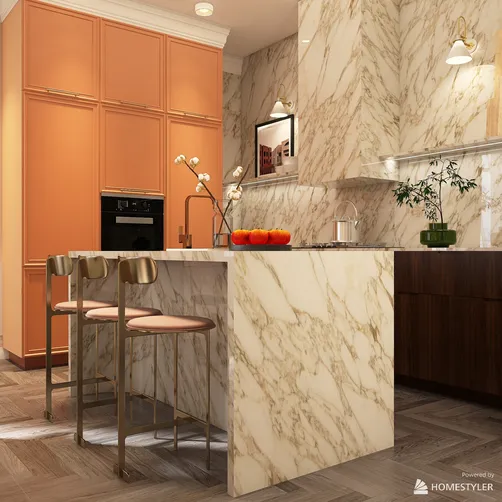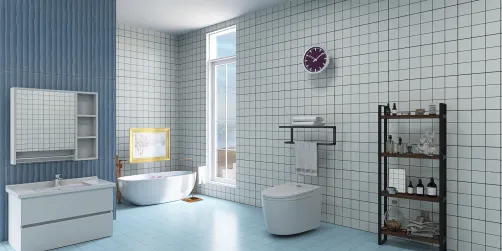
A client once requested that I transform their entire powder room into a stunning display featuring gold tiles — completely covering the walls floor to ceiling much like a luxurious palace. I was initially overwhelmed but soon learned the value of moderation. Working with tight spaces often encourages creativity, prompting innovative designs that surprise and delight. This experience with a compact bathroom illustrated the powerful impact a few strategically placed tiles can have on the overall aesthetics. For those looking to visualize a mosaic layout in a limited area effectively, I recommend using 3D rendering tools to make the design feel more tangible.
Compact bathrooms can ignite expansive ideas. In the following sections, I’m excited to share five mosaic inspirations that I have successfully implemented in actual projects. I will explain why these ideas work and highlight important trade-offs to consider. Each suggestion is based on practicality, budget-friendliness, and—of course—a dash of fun.
1. Mini-mosaic accent wall behind the vanity
Creating a mini mosaic feature wall with small glass or ceramic tiles behind the sink is a design move I adore. It’s akin to adorning the space with exquisite jewelry—reflective, layered, and attention-grabbing without overwhelming the overall room. The beauty of this approach lies in the dramatic effect achieved with minimal material; however, the minor challenge lies in aligning the grout lines and selecting a grout color that complements rather than dulls the tiles.
Tip: Select a color palette of 2-3 from the tile sheet and match the grout to a mid-tone for cohesion. Budget note: opting for a single accented wall instead of a full bathroom mosaic can lead to cost savings.
save pin
2. Horizontal geometric band to widen the room
In tight and narrow bathrooms, I often incorporate a horizontal mosaic band at eye level to create an illusion of width. Utilizing a strip of contrasting shapes—hexagons, chevrons, or mixed glass—can break up the vertical confinement and guide the viewer’s gaze sideways. This approach is subtle yet effective, and generally easy to retrofit on existing tiles.
Be cautious of pattern mismatches with large-format tiles; simplify the band design if your floor or shower already features a strong pattern.
save pin
3. Pebble mosaic floor for texture and slip resistance
Pebble mosaics are my go-to choice for wet areas as they provide a natural look and additional grip underfoot. They are particularly effective in curbless showers or small bathrooms where you’re aiming for a spa-like vibe. However, cleaning may pose challenges at the grout lines and they require durable sealing.
If you're experimenting with various layouts, utilizing bathroom tile design tools like Homestyler can help you visualize how the pebbles harmonize with wall tiles and fixtures before finalizing decisions. Practical tip: opt for slightly larger pebbles for easier maintenance and a warmer feel underfoot.
save pin
4. Ombre or gradient mosaics for visual lift
Gradient mosaics, transitioning from dark to light from floor to ceiling, can create an illusion of increased height in a room. In a particularly compact bath, I implemented a blue-to-white glass ombre, and it was like inviting a breeze into the space. This method adds vibrant color drama without the heaviness of intricate patterns, pairing beautifully with simplistic matte fixtures.
The primary downside is budgetary; gradient sheets or custom blends often involve more planning and can incur higher material costs. One way to manage this is by limiting the gradient effect to a single panel or niche.
save pin
5. Mirror-framed mosaic and niches for sparkle
Framing mirrors or recessed areas with small metallic or glass mosaics can add luxurious reflections and emphasize key features. This technique is particularly popular in guest bathrooms where a little glam can make a significant impression. It is forgiving on limited wall spaces and is compatible with both warm and cool color schemes.
From a practical perspective, installing metallic tiles may require special adhesives and grout—be sure to account for these in labor budgets. To assist clients in visualizing the effect of lighting on metallic mosaics, I frequently create 3D rendered concepts before they place their orders.
save pin
FAQ
Q1: What mosaic tile size is ideal for small bathrooms?
Smaller tiles (1/2"–1" pieces) can generate more visual dynamics on a limited surface area while avoiding overwhelming expanses. However, ensuring balance is essential; it’s best to mix small mosaic features with medium or large field tiles to minimize visual clutter.
Q2: Are mosaic floors slippery?
Pebble and textured mosaics provide better traction compared to smooth large tiles, especially when properly grouted and sealed. For safety’s sake, choose tiles that are rated for wet areas, utilizing a high-contrast non-slip grout where necessary.
Q3: How should I select grout color for mosaics?
Grout can either blend with the tiles for a seamless appearance or contrast to highlight the shapes. For compact bathrooms, I typically recommend a mid-tone grout that can disguise dirt while preserving visual depth.
Q4: Is it acceptable to use mosaics in showers and wet areas?
Yes, most ceramic, porcelain, and glass mosaics are suitable for wet areas provided they are installed with waterproofing measures and appropriate grout. Always adhere to manufacturer instructions regarding adhesives and sealing.
Q5: Do mosaic tiles come at a higher cost?
Mosaic tiles can indeed be more expensive per square foot compared to conventional tiles, especially custom designs or glass options. However, since they are often utilized in specific areas (like accents, niches, or bands), the overall budget impact can remain manageable. Plan strategically for focal points to maximize your budget’s effectiveness.
Q6: What maintenance is required for mosaics?
Regular cleaning using non-abrasive cleaners and periodic resealing—especially for natural stone or certain grout types—will keep mosaics looking pristine. Be cautious of using acidic cleaners on delicate metallic or glass tiles, as they may cause damage.
Q7: What installation standards should I be aware of?
It's important to adhere to local building codes for wet environments and consult installation manuals. For comprehensive guidelines on tile installation and materials, refer to the Tile Council of North America (TCNA) installation handbook, which provides detailed recommendations on membranes, grout, and adhesives.
Q8: Where can I find inspiration for mosaics and realistic previews of designs?
Begin with design galleries and supplier sample collections, then utilize mockup tools or software like Homestyler for visualizing scale and reflections. Merging physical samples with a straightforward 3D layout can help prevent unexpected outcomes during installation.
Homestyler is your go-to online home design platform, perfect for both novices and pros. With its intuitive design tool, stunning 3D renderings, and a wealth of design projects and DIY video tutorials, it makes transforming your space easy and inspiring. Dive into creativity today!