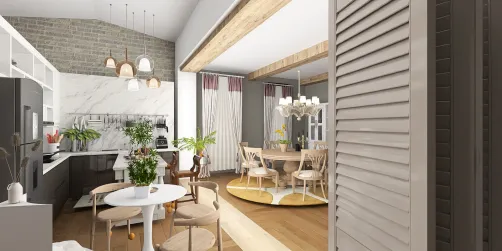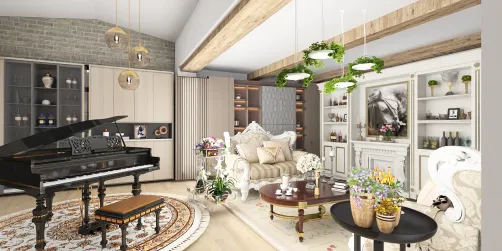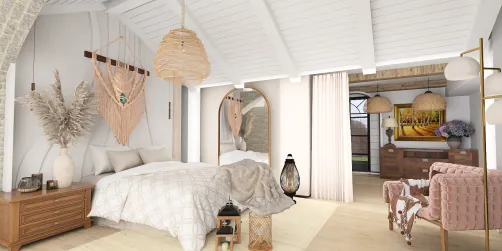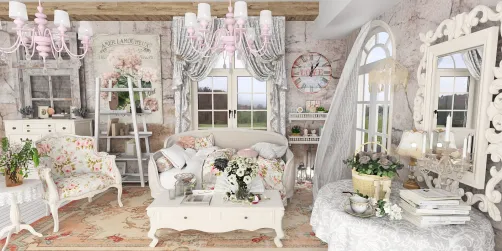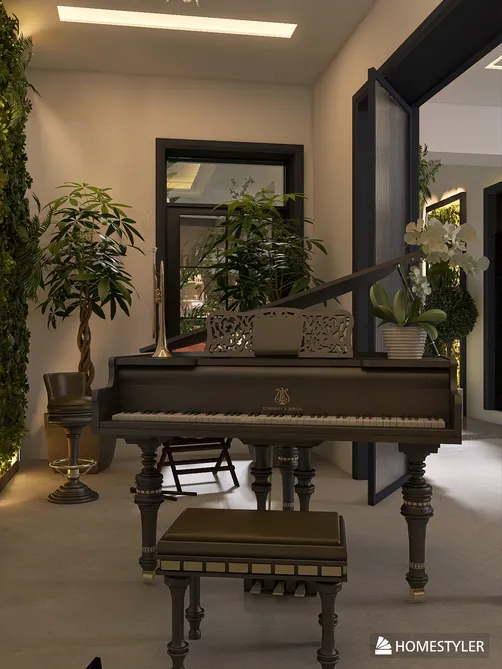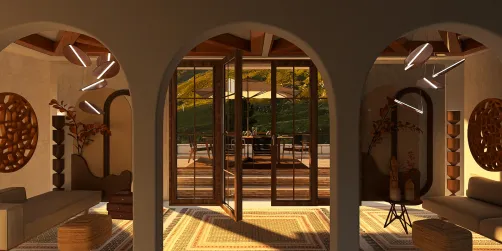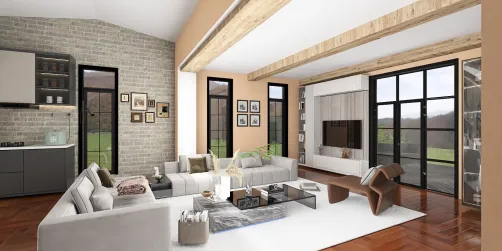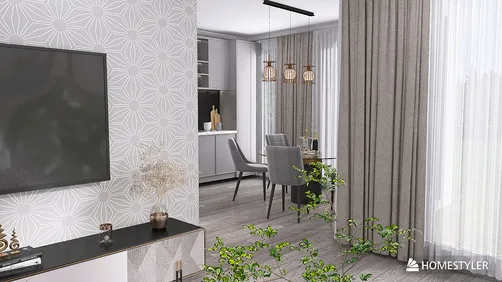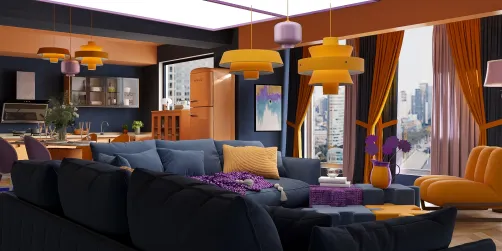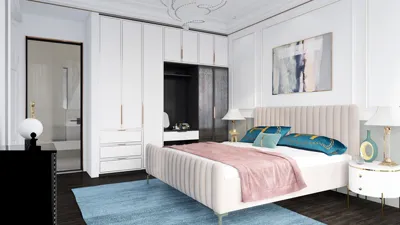
I recall a particular client who was determined to fit a grand piano into her living and dining area. Initially, I thought she was kidding, but she was completely serious. This challenge compelled me to redesign the space from the ground up, leading to one of my most satisfying projects. Working with compact areas truly stimulates creativity, and today, I’m excited to share 10 strategies that have been immensely beneficial for my clients, often transforming what could have been a chaotic situation into a beautifully functional layout.
1. Use Rugs to Define Spaces
One of my favorite strategies involves utilizing area rugs to distinguish between the living and dining sections. A textured rug beneath the sofa can indicate 'this is the lounge,' while a flat-weave rug under the dining table marks the eating area. This approach maintains a balance between unity and division without the need for physical barriers. In a recent project for a family of four with an open-plan layout, they appreciated how smoothly the space flowed.
2. Furniture with Multiple Functions
In small combinations, a dining table can serve as a home office desk, or a console table might act as a buffet. The key is selecting items that are both proportional and functional. I once transformed a client's old dresser into an elegant bar and storage solution for their dining area—a fantastic budget-friendly solution!
3. Back-to-Back Furniture Arrangement
One of the simplest ways to create a division is by positioning the sofa back-to-back with the dining table. This setup promotes a tidy appearance while facilitating natural traffic flow. Just ensure there's enough space behind the chairs, so no one feels confined during meals.
4. Statement Lighting for Each Area
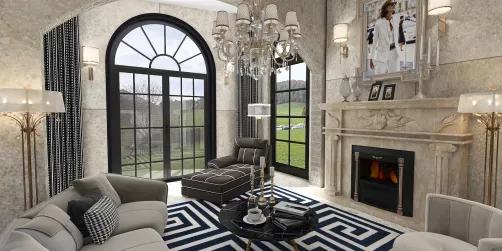
A stunning chandelier above the dining table accompanied by a stylish floor lamp next to the sofa instantly delineates two unique zones. This subtle yet striking lighting technique is an effective way to enhance the space. Plus, guests often comment on the lighting first!
5. Experiment with Color Blocking
Implementing a different paint color on one wall or introducing contrasting accent colors can significantly break visual drabness. In a client's dining area, I applied a rich olive green that melded beautifully with their warm grey lounge, creating the illusion of two distinct yet cohesive styled areas in one room.
6. Utilize Sliding or Glass Dividers
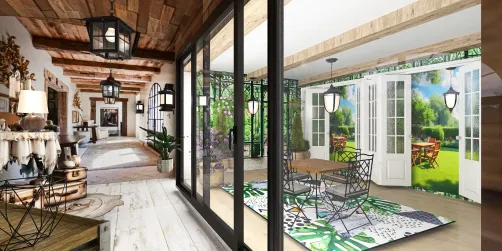
For those seeking flexibility, sliding panels or glass partitions offer privacy while maintaining luminosity. These features are ideal for apartments where cooking aromas might waft into the living area. In a Parisian apartment, I integrated frosted glass, adding instant character without compromising space.
7. Incorporate Built-In Benches
If there’s available wall space, there’s potential to use it! Built-in dining benches conserve floor space, provide additional storage underneath, and establish a cozy nook. Combine this with a slender table, and you've got an inviting café atmosphere. I implemented this idea during a recent makeover of a compact urban apartment, and it was a hit!
8. Maintain Cohesive Flooring
Installing the same flooring material throughout the area creates a sense of openness and can even make the space seem larger. Just ensure it's easy to clean beneath the dining chairs; matte finishes can effectively disguise minor scratches.
9. Use Mirrors for a Sense of Space
A large mirror positioned on one side of the space can reflect light and create the illusion of a larger room. Additionally, it makes gatherings feel vibrant and lively!
10. Flexible Layouts
Opt for foldable tables or modular sofas that can be reconfigured as needed—ideal for those who frequently entertain. I once designed a living-dining setup for a couple who hosted regular board game nights, and their expandable table became a key feature. We perfected the arrangement using a 3D space visualization tool before moving forward with purchases, saving them time and hassle.
FAQ
What’s the easiest strategy to make a living-dining combo appear larger? Employ consistent flooring, light wall colors, and mirrors to enhance the visual space.
How can I maintain a cohesive design? Adhere to a unified color scheme and repeat similar textures or materials in both sections.
Is it possible to blend different styles? Definitely—just ensure that at least one element, such as metal finishes or wood tones, is common between the two areas, perhaps utilizing a design tool like Homestyler to visualize various options.
Discover your creative potential with Homestyler! This user-friendly online design platform offers an intuitive design tool, stunning 3D renderings, and a wealth of inspiring design projects and video tutorials. Transform your home into a masterpiece with ease and confidence!