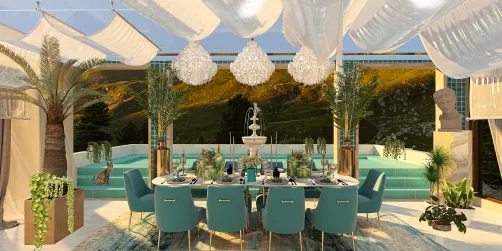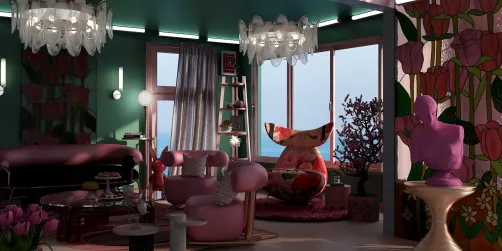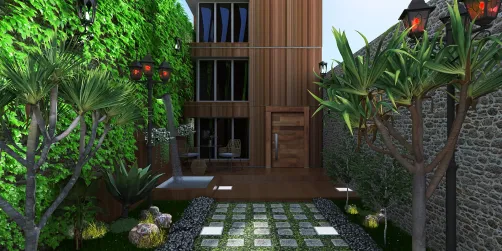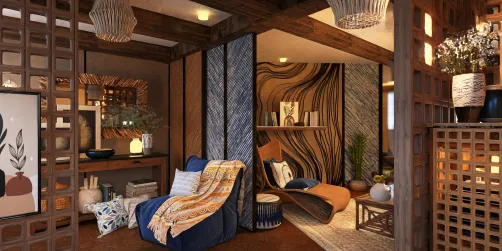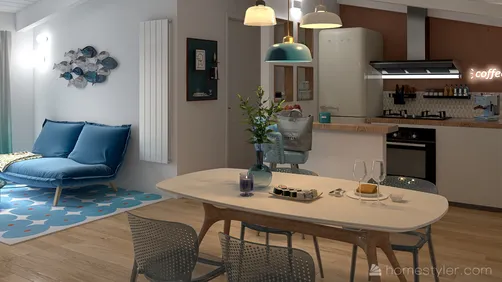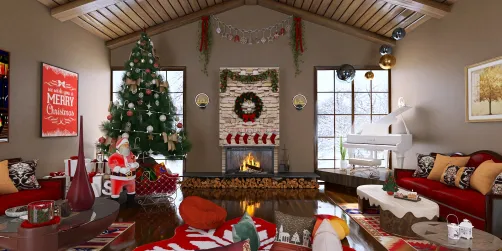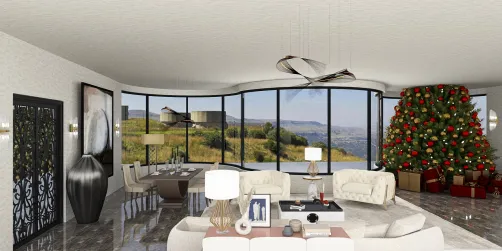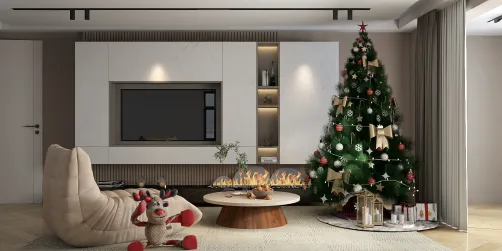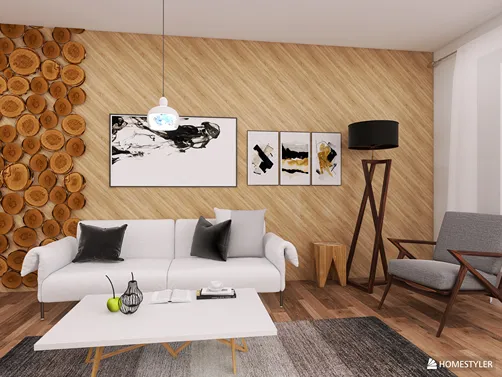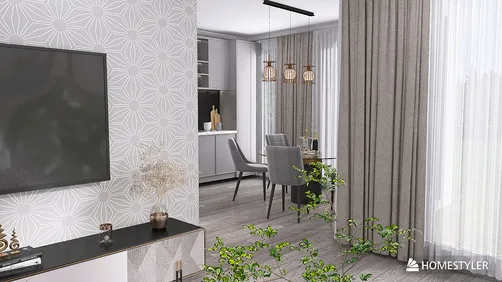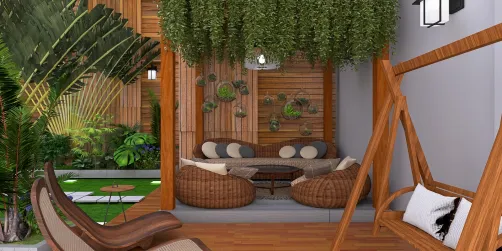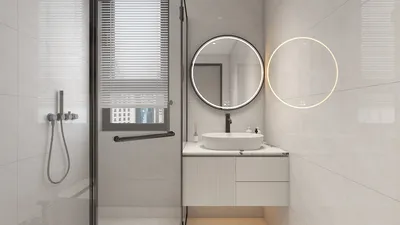
Are you searching for the most current hall designs that elevate both space and aesthetics? In the realm of interior design, particularly for compact areas, optimizing every square inch is crucial. An effective hall design can foster a warm ambiance while maintaining practicality. Let’s explore some of the most creative hall designs that have surfaced lately, with an emphasis on maximizing your space efficiently, especially using tools like Homestyler.
Integrating Built-in Cabinets for Optimal Storage
Incorporating built-in cabinets into your hall design can significantly enhance your storage capabilities. These cabinets offer generous space while harmoniously blending with your overall décor. Consider these design styles:
Cabinets that reach from floor to ceiling provide a stunning visual impact and ample storage options. This style is particularly effective in narrower halls, which often overlook vertical storage opportunities.
Choose robust materials like plywood or MDF that can endure daily use. A laminate finish can also extend the durability of these cabinets, making them a long-lasting choice.
For a contemporary aesthetic, floating cabinets are a superb option. They not only conserve floor area but also contribute to an airier feel within the hall.
Positioning floating cabinets at eye level creates a visually pleasing arrangement while providing a space for decorative accents or plants beneath them.
If you require a workspace in your hall, concealed desk cabinets serve as an innovative answer. These can be closed when not needed, keeping your area organized and clutter-free.
Though multi-functional built-ins are excellent for saving space, it’s vital to assess how frequently you will utilize the hidden features. Make sure they are easily accessible when necessary.
Frequently Asked Questions
Q: What are the essential components of contemporary hall design? A: Prioritize functionality, utilize multi-purpose furnishings, and maximize natural illumination.
Q: How can I create the illusion of a larger hall? A: Employ light color schemes, mirrors, and maintain an open layout to enhance the perception of space.
Explore User-Friendly Room Design Software