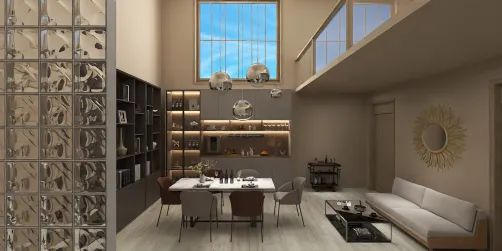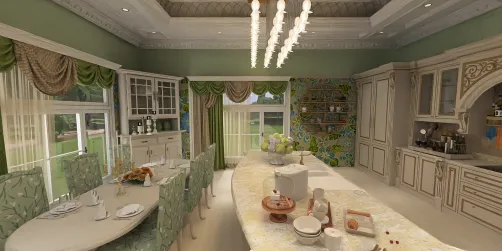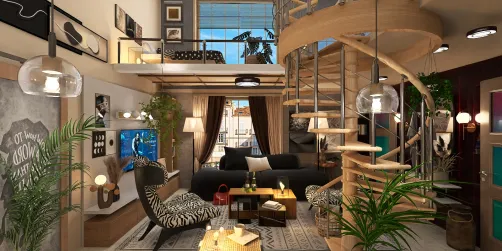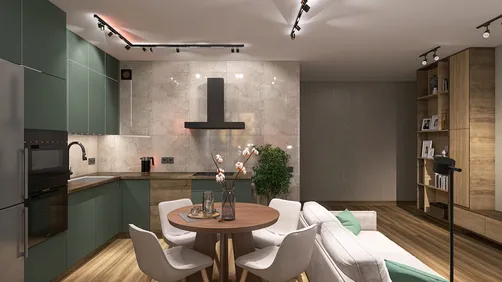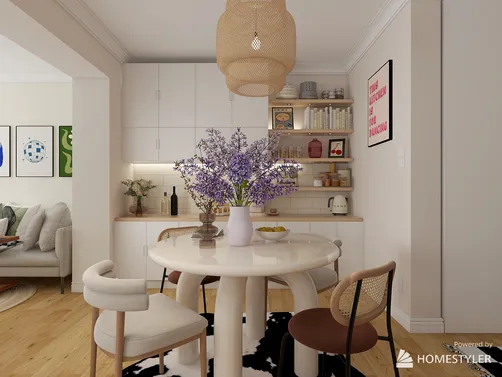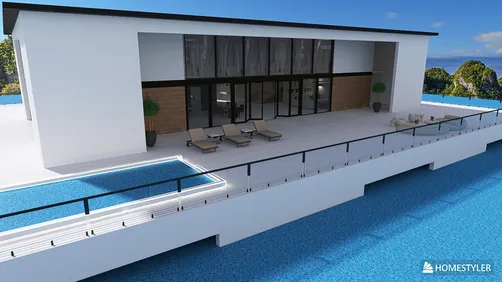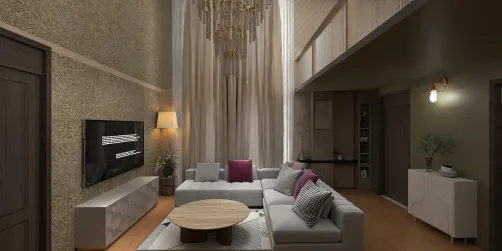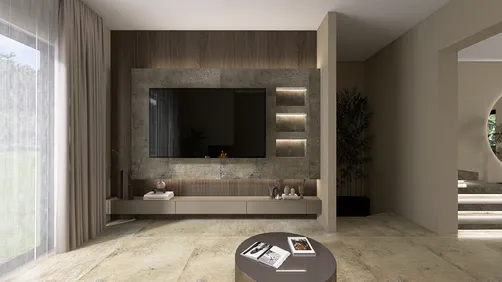
Over the last ten years as an interior designer, I have witnessed the evolution of floor seating concepts for living rooms transform from a niche option into a fashionable feature. Recently, with the growing trend of embracing cozy and adaptable environments, smaller living spaces have turned into fantastic canvases for creative expression. I firmly believe that a limited area can inspire expansive design ideas. Today, I will share 10 suggestions that you can experiment with — inspired by my own projects and insights from experts — to make your living room not only vibrant and comfortable but also uniquely reflective of your personality using tools like Homestyler.
1. Low Japanese-Style Seating
My Experience: In my apartment, I crafted a relaxing nook using tatami mats along with floor cushions. This setup instantly created a serene environment perfect for movie nights or tea gatherings.
Advantages: This style adds a minimalist, zen aesthetic; enhances visual spaciousness; and suits multipurpose areas. Elle Decor highlights that lower seating can make compact rooms appear taller.
Drawbacks: This arrangement may not be suitable for individuals with knee problems; additional cushioning might be necessary for extended comfort.
Suggestion: Pair it with a short-legged coffee table for functional use.
2. Modular Floor Cushions
My Experience: I once incorporated oversized modular cushions in a family room setting — easy to rearrange for guests, children’s activities, or simply lounging.
Benefits: Highly adaptable; ideal for social spaces; and easy to clean if they feature removable covers.
Disadvantages: They can appear disorganized if not arranged thoughtfully; when not stacked, they occupy floor space.
This setup reminded me of a project where an open-plan layout effectively utilized flexible arrangements of cushions.
3. Bohemian Pouf Corner
My Experience: A vibrant blend of textures — leather poufs, knitted ottomans, and patterned pillows — provided immense character to one of my client’s compact living areas.
Advantages: Great for layering both patterns and colors; it significantly warms up a minimalist setting.
Disadvantages: It may overwhelm if the color scheme lacks coherence; some poufs don't provide sufficient support due to excessive sinking.
4. Built-in Bench with Floor Cushions
My Experience: I enjoy designing built-in benches topped with slim cushions, complemented by plush floor pillows nearby — perfect for creating reading nooks.
Advantages: Built-ins optimize space; they can also include hidden storage beneath the bench.
Disadvantages: Permanent installations could restrict future layout changes.
5. Moroccan Lounge Style
My Experience: In a previous project, I utilized rich, deep fabrics and jewel-toned cushions spanning a low rug to create an intimate lounge atmosphere.
Advantages: It feels luxurious and inviting; serves as a great area for conversations; ideal for laid-back entertainment.
Disadvantages: Fragile fabrics require more care; darker shades may visually shrink the space.
6. Window Seat with Cushions
My Experience: Placing thick mats and throw pillows in a sunny bay window turned out to be a cost-effective way to create a relaxing retreat.
Advantages: Perfect for small living areas with unique architectural features; it beautifully harnesses natural light.
Disadvantages: It’s important to choose weather-resistant materials to prevent fading from sunlight.
One client successfully combined this layout with an L-shaped arrangement to maximize social space in their compact condo.
7. Low Platform with Mattress
My Experience: For a young couple fond of game nights, I created a raised, wide platform for a twin-size mattress, adorned with stylish throws.
Advantages: Extremely comfortable; works as a napping space; serves as an attractive focal point.
Disadvantages: Can dominate smaller living areas; requires quality bedding to avoid looking like a bed in the living room.
8. Scandinavian Minimal Mats
My Experience: Light-colored mats and thin seat pads offered a clean and airy feel in a micro-apartment project.
Advantages: Keeps the space uncluttered; easy to roll up and store; a simple color palette complements various styles.
Disadvantages: Less cushioning; may not be ideal for extended sitting.
9. Layered Rugs with Big Floor Cushions
My Experience: I once layered three rugs of different textures, adding oversized cushions to enhance depth and warmth.
Advantages: Infuses pattern and comfort; rugs help establish a defined seating area in open layouts.
Disadvantages: There's a risk of tripping if rug edges curl; they also require more maintenance.
A seaside apartment I designed demonstrated how mixing textures can seamlessly differentiate multi-use spaces.
10. Convertible Futon Style
My Experience: A slimline futon that could convert into a guest bed was a game-changer in a small studio I revamped.
Advantages: Versatile and functional; perfect for accommodating overnight visitors.
Disadvantages: Comfort varies with futon quality; some might appear bulky when folded.
Conclusion
As you can see, having a small living room does not limit your opportunities — rather, it encourages smarter and cozier design solutions. The right floor seating choices for your living room can infuse flexibility, charm, and warmth into any home. As noted by Apartment Therapy, opting for lower seating arrangements can create a more relaxed and inviting social atmosphere. Which of these ten ideas would you be excited to try in your own space with the help of Homestyler?
FAQ
Looking to transform your space effortlessly? Homestyler is your go-to online design tool! With stunning 3D renderings, a wealth of design projects, and easy-to-follow video tutorials, you'll have everything you need to create your dream home—no prior experience needed!