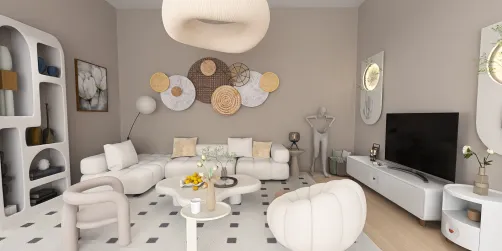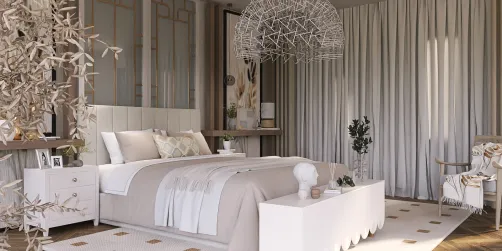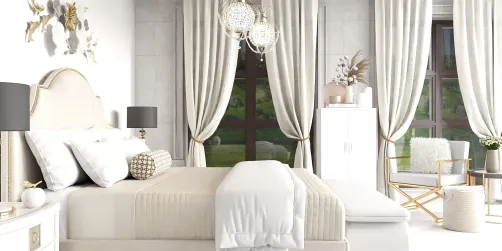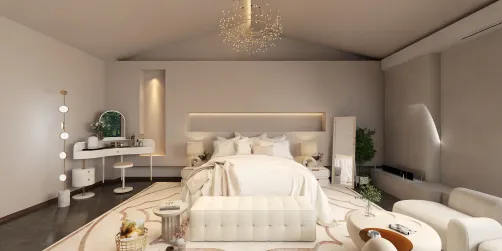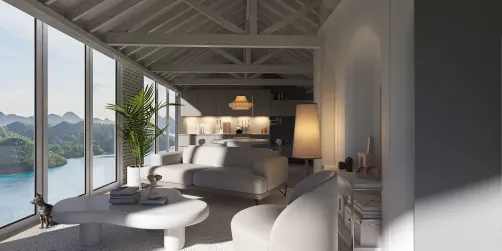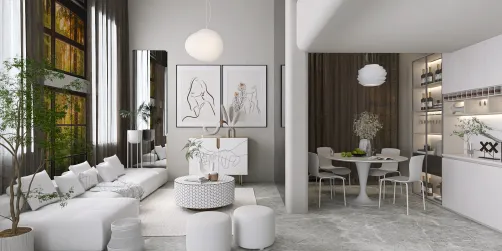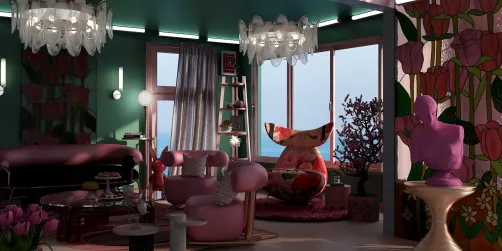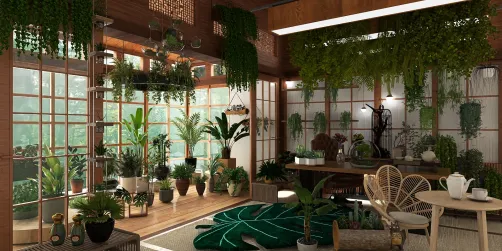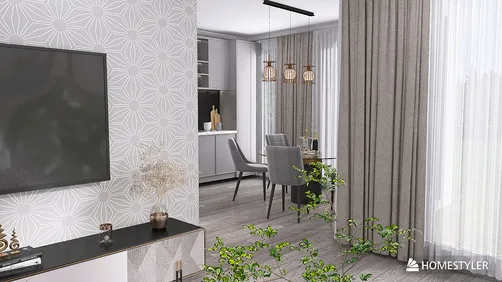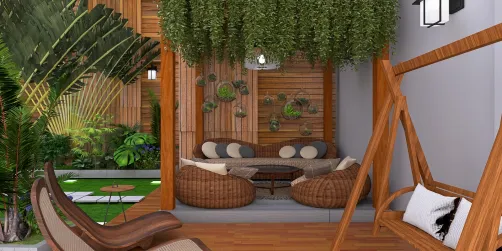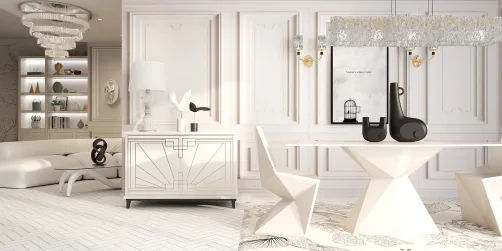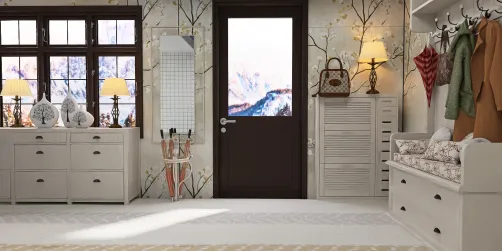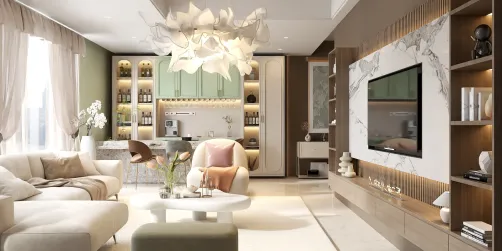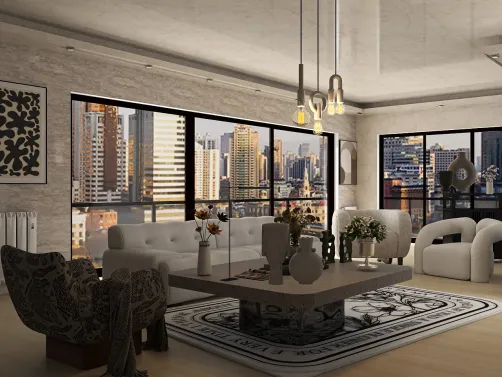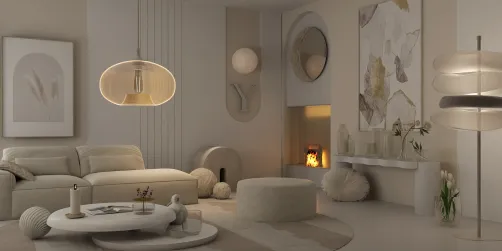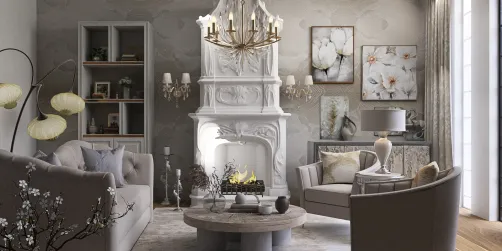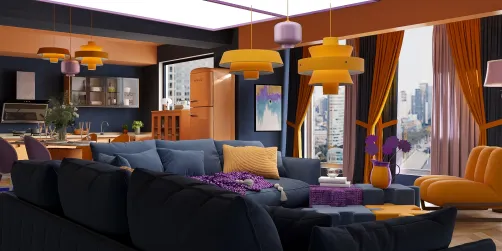
A client once expressed a desire for their dining table to appear as if it were "floating" in the center of the living room. While I had to delicately inform them that gravity isn’t within my design arsenal, this request sparked one of the most enjoyable projects I’ve ever embarked on. Designing for small or multifunctional spaces challenges your creativity to its limits. Over time, I’ve discovered that blending dining and living areas is less about compromise and more about telling a cohesive story — ensuring both areas communicate through a unified visual language. Here, I present 10 creative solutions inspired by my portfolio, along with a few learning experiences from my past.
1. Use a Rug to Define Spaces
Incorporating a substantial rug under either the dining table or the sofa can visually settle each section without erecting walls. The key is to create contrast — if you choose a striking design for the sofa rug, opt for a more neutral tone for the dining area, and vice versa.
2. Back-to-Back Configuration
I enjoy positioning the dining table directly behind a sofa. This creates a compact solution ideal for apartments and loft spaces. Just ensure there’s adequate space for chairs to slide out comfortably; I learned the importance of this after designing a setup where chairs frequently touched the wall when pulled out. Utilizing a room planner like Homestyler can prevent such design pitfalls.
3. Zone with Lighting
Consider using a pendant light above the dining table and a floor lamp next to the sofa. Lighting not only fulfills a practical need but also allows each area to have its own unique ambiance.
4. Color Harmony
Select 2 to 3 primary colors to seamlessly transition between the two spaces. For instance, the navy from your sofa cushions can be echoed in the fabric of your dining chairs or wall art.
5. Emphasize Slim Profiles
Furniture with slender legs and open frameworks enhances sightlines and creates an illusion of more space. I once substituted a bulky dining set for a sleek light oak table, which dramatically amplified the room’s sense of space.
6. Furniture with Dual Purposes
Incorporating a bench along the shared wall can function as both dining and additional seating in the living room during gatherings. This approach is budget-friendly and versatile. Using a floor plan creator like Homestyler for planning helped me achieve ideal dimensions.
7. Vertical Elements
Tall bookshelves or plants can effectively delineate the two areas while still allowing light to flow freely. However, be cautious not to overcrowd the space; I once created such a dense "plant wall" that my client humorously remarked it felt like dining in a rainforest.
8. Feature Piece Between the Areas
A striking console table can serve both aesthetic and functional purposes between the two spaces. Consider including drawers for cutlery or compartments for board games.
9. Harmonize Textures, Not Just Hues
If your living area features a cozy linen sofa, your dining chairs should ideally share a similar texture. Combining textures fosters a subtle sense of harmony, even when colors differ.
10. Tables That Adapt
In tight spaces, a table that can shrink for everyday use and expand for entertaining guests is invaluable. I’ve utilized this concept in urban apartments where every inch matters — and using a kitchen layout planner can help determine the space required for movement.
FAQ
Q: How can I enhance the feeling of spaciousness in a combined area?
A: Utilize low-profile furniture, strategically place mirrors, and allow colors and textures to transition smoothly between the two zones.
Q: Is it necessary for dining and living room furniture to match?
A: Not necessarily — aim for coordination instead of outright duplication. Sharing a common color palette or similar materials can create harmony without everything being identical.
Discover the ease of home design with Homestyler! This user-friendly platform offers an intuitive online design tool, stunning 3D renderings, and a wealth of design projects and DIY video tutorials. Perfect for anyone looking to transform their space—get inspired and start designing today!