In one project, I faced a unique challenge where a client wanted their clawfoot tub and washer to be on the same wall. Initially, I was hesitant, but I embraced the creative opportunity this presented. If you find yourself bold and a bit impractical like that client, start by sketching out small layouts. This helps in quickly testing various placements. Remember, compact spaces can ignite immense creativity, and I’m excited to share five practical inspirations from my experience that are perfect for real-world applications.
1. Smart Stacking: Maximize Vertical Space
When there's enough ceiling height, I recommend stacking washers and dryers. This approach swiftly clears floor space for either a vanity or shower entrance. The benefits are clear: enhanced airflow and visual openness. However, keep in mind that accessing the lower unit can be challenging, and vibrations may affect cabinetry. My advice is to install a lightweight pull-out shelf at chest level, minimizing the need to constantly bend down when using the lower machine.
save pin
2. Concealed Washer: Under-sink Efficiency
For a couple desiring a hotel-like ambiance, I managed to integrate a slim washer beneath a floating vanity. Concealing appliances helps maintain a serene look, and simplifies plumbing since it’s close to existing drains. However, be prepared for a smaller capacity and potential heat buildup — ensure adequate ventilation and use moisture-resistant materials to prevent warping.
save pin
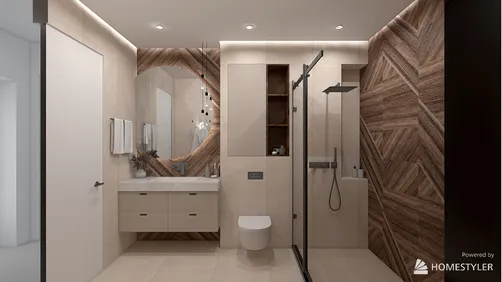
3. Wet Zone Design: Merging Shower and Laundry
Integrating a wet zone with laundry can work seamlessly if you acknowledge that the floor may get a bit wet at times. Position the laundry adjacent to the shower drain, utilize linear drains and epoxy flooring, and consider a glass partition or a half wall for separation. For bold layout ideas, I often leverage AI design tools like Homestyler, which can provide innovative solutions that comply with regulations.
save pin
4. Versatile Surfaces and Built-in Hampers
Maximize space with foldable ironing boards, drop-leaf counters, and built-in hampers that fit into cabinet toe-kicks. This design allows you to have flexible spaces when necessary while keeping clean, modern lines when they’re not in use. Keep in mind, though, that precision carpentry can increase your budget. My tip: keep cabinet depths consistent to control millwork expenses.
save pin
5. Prioritize Ventilation and Waterproofing
Never compromise on ventilation — I’ve frequently had to revisit bathrooms due to mold issues that arise from inadequate airflow. Ensuring good ventilation with a dedicated exhaust fan that has a timer, along with proper waterproofing around machines and drains, can save you from future renovation headaches. To make a convincing presentation to clients, I often showcase realistic 3D renders, allowing them to visualize how the space will function before making any purchases.
save pin
FAQ
Q1: Can you fit a washer and dryer in a small bathroom?
Absolutely — by using stacked units or compact front-load machines, both can frequently fit. Just be sure to focus on service access and ventilation in your layout.
Q2: Is it safe to place laundry appliances in a bathroom?
Yes, as long as you adhere to plumbing and electrical codes: install GFCI outlets, maintain clearances, and ensure proper drainage and ventilation to manage humidity and leaks.
Q3: How can I prevent mold around laundry appliances in a bathroom?
Manage humidity effectively with an exhaust fan; consider a dehumidifier if necessary. Also, dry any doorless cabinets and utilize moisture-resistant finishes. The CDC advises that controlling indoor humidity and addressing water issues promptly can significantly reduce mold risk.
Q4: How should I handle vents and ducting?
Whenever possible, direct dryer ducts outside and minimize their length and bends to decrease lint accumulation. If venting outside is not an option, think about using ventless heat-pump dryers instead.
Q5: Are washer-dryer combo units a viable option?
They conserve space but usually come with longer cycle times and less capacity. They work well for individuals or couples who value a smaller footprint over loading capacity.
Q6: What budget should I allocate for a bathroom-laundry combo?
Costs can differ significantly: a straightforward retrofit with a stacked unit and proper ventilation can be affordable, while custom cabinetry and high-end machines can drive up expenses. Always set aside a budget for potential plumbing modifications.
Q7: Got any quick storage solutions?
Opt for vertical storage options, magnetic baskets mounted on cabinet doors, and wall-mounted fold-down drying racks. Position frequently used items at eye level to reduce bending efforts.
Q8: When is it time to contact a professional?
If you’re making modifications to plumbing, relocating drains, or altering ventilation paths, it’s wise to consult a licensed plumber or HVAC specialist. Also, any electrical work near water should be carried out by a certified electrician to ensure safety and compliance with codes.
save pin
Homestyler is your go-to online platform for home design. With its user-friendly design tool, stunning 3D renderings, and a wealth of DIY video tutorials, you can effortlessly create and visualize your dream spaces. Transform your ideas into reality today!