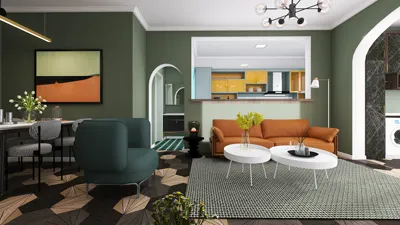


When creating study spaces for children, I apply the same precision I utilize in workplace designs—incorporating scaled furniture, engaging elements, and ergonomic features that enable kids to focus without feeling restricted. An optimal study room for children harmonizes lighting, posture, storage, and color psychology while allowing room for movement and creativity. Using tools like Homestyler can help visualize these elements effectively.
Research Shows Kid-Friendly Workspaces Enhance Concentration
Concentration flourishes when comfort and autonomy are prioritized. The WELL Building Standard (WELL v2) emphasizes the importance of visual comfort and circadian-friendly lighting in improving cognitive performance; a balanced mix of task and ambient lighting minimizes eye strain and boosts alertness. According to the Illuminating Engineering Society (IES), lighting levels of about 300–500 lux are essential for reading and writing activities—kids will benefit from gentler lighting for calm activities and brighter settings during homework sessions. Additionally, studies from Herman Miller indicate that varying postures can maintain engagement; therefore, children require different seating options that allow them to fidget, perch, or settle in during extended tasks.
Design Objectives: Focus, Adaptability, and Joy
My essential goals are straightforward: ensure that lighting levels align with activities, select furniture appropriate for the child's current size (and adjustable for future growth), create organized spaces for materials, and utilize color schemes that promote tranquility with playful bursts. Research from Steelcase shows that giving children choices and control significantly enhances their task persistence; for instance, allowing them to select their seating style, adjust their lamps, or choose quiet corners fosters a sense of agency that leads to greater productivity.
Lighting That Protects Vision and Supports Natural Rhythms
Utilizing layers of lighting is more effective than a single bright fixture. I combine a dimmable ceiling light (warm-neutral 3000–3500K for evenings and neutral 4000K for daytime) with a flicker-free LED task lamp on the desk. It's crucial to maintain workspace lighting levels around 300–500 lux, positioning the lamp to the side of the user's writing hand to minimize shadows. Shield bright light sources to avoid glare on glossy book pages. When daylight is available, diffuse it with sheer shades and orient the desk perpendicular to the window to prevent screen reflections. Cozy reading nooks could benefit from a strategically placed wall sconce or floor lamp that directs light effectively without flooding the entire room.
For further insights into visual comfort and circadian lighting, refer to WELL v2 guidelines and IES standards from authoritative bodies such as WELL Certified and the Illuminating Engineering Society.
Ergonomics Tailored for Growing Bodies
As children's bodies undergo rapid changes, adjustability in furniture is essential. Aim for desk heights that allow forearms to rest parallel to the surface while keeping shoulders relaxed. Accompany this with chairs that offer footrest options for those who don’t reach the ground; stable foot support helps reduce restlessness. I prefer desks with soft edges and rounded corners to enhance safety for kids. Chairs with gentle lumbar support encourage children to maintain an upright posture without discomfort. The monitor, if used, should be positioned so that the top of the screen aligns with eye level to reduce neck strain. Including a secondary seating option—like a wobble stool or small balance cushion—allows for posture changes without disrupting focus. Research from Herman Miller demonstrates that variability in seating promotes sustained engagement; children naturally move, so offering safe and controlled alternatives is key.
Color Psychology: Serene Foundations with Playful Touches
To create a conducive study environment, I select calming hues like soft greens and muted blues as primary colors—Verywell Mind acknowledges these shades are linked with tranquility and cognitive clarity. Incorporating warm neutrals counterbalances cooler tones, maintaining a cozy atmosphere. Bright accent colors (coral, mustard, teal) can be reserved for storage bins, desk items, or a pinboard frame. For children who may become easily overstimulated, it’s advisable to opt for more subdued palettes and introduce patterns through textures instead of high-contrast designs. Additionally, the color temperature of lighting plays a crucial role: cooler lights during the day enhance alertness, while warmer tones in the evening support a smoother transition to bedtime.
Space Planning: Intuitive Zones for Children
I typically divide the study room into three distinct zones: the Desk Zone (for tasks and technology), the Reading Nook (for quiet, focused activity), and the Maker Table (for crafts, models, and experiments). Clearly defined functions prevent clutter and mental distraction. If experimenting with layouts, a digital tool like an interior layout planner can be incredibly useful for visualizing scale and flow, making effective use of Homestyler. Aim for a straightforward circulation loop, allowing children to navigate between zones without the hindrance of cords or obstructed cabinet doors.
Storage Solutions That Encourage Organization
Achieving visible, accessible, and labeled storage is crucial for efficient organization. At the workspace, implement a three-tier system: everyday items (pencils, scissors) should be within reach on the desktop, weekly-used supplies (notebooks, chargers) in the top drawer, and larger projects within arm’s reach in labeled bins. In the maker area, open-shelf storage with color-coded bins makes returning items easier—children naturally put away items when their designated spots are clear. A slim vertical sorter can help keep school assignments organized by subject. Magnetic or cork boards close to the desk can hold schedules and reminders without adding clutter to the space.
Acoustic Comfort for Enhanced Focus
Silence can be elusive, yet noise significantly disrupts concentration. To combat this, I introduce soft elements into the room, including area rugs, upholstered chairs, and fabric pinboards to improve sound absorption. For rooms exposed to external noise, lined curtains and weatherstripping on doors can be beneficial. It’s also important to minimize mechanical noise; select quiet fans and avoid loud lighting options. To counter tech sounds, adjusting settings on devices can help minimize notifications during study times. Introducing a gentle white noise machine can effectively mask sporadic household sounds without creating a hospital-like environment.
Materials and Safety: Durability and Cleanliness
Prioritize furniture with rounded edges crafted from durable laminates or solid wood finished in low-VOC coatings. Choosing wipeable and stain-resistant fabrics for chairs and cushions prolongs their lifespan in spaces frequently used for crafting. Flooring options like cork or LVT are both resilient and comfortable for dropped supplies. Hardware should be easy for small hands to operate but designed with safety in mind (soft-close hinges are ideal). Managing cords with clips and low-profile cable trays beneath desks is essential; consider elevating power strips to reduce curiosity in younger children.
Technology That Supports Learning Without Distraction
Technology can enhance learning when used mindfully. I designate a single charging station, organize cables behind the desk, and ensure that task lighting is separate from screen light to avoid diverting focus. If the child utilizes a laptop or tablet, adding a simple stand to elevate the screen can help improve ergonomics, while keeping a paper notebook nearby encourages breaks from screens. A dedicated drawer for headphones and styluses minimizes the chaos often associated with homework preparation.
Personalization That Inspires Motivation (Without Clutter)
Encourage children to co-create an aspect of the room, such as a mood board above the desk, personalized labels on storage bins, or a rotating display for completed projects. Teaching the concept of a “seasonal refresh”—switching out accessories, posters, or cushion covers every term—keeps the environment feeling fresh without necessitating a complete redesign.
Tailored Tips by Age Group
For younger children, use lower work surfaces or adjustable desks; ensure chairs provide solid foot support; utilize picture labels on bins; favor warm lighting in the evenings; keep materials at eye level; consider adding a small timer to foster task awareness.
For school-age children, introduce a compact monitor stand; organize more defined folders for subjects; adjust to slightly cooler lighting during the day; include a small maker cart for projects; incorporate a wobble stool for active seating; and provide a pinboard for tracking weekly objectives.
For older students, select full-size adjustable chairs; offer dimmable ambient lighting for screen-related tasks; manage noise through rugs and curtains; ensure tidy cable routing; and create zones that support extended focus periods.
Common Layout Tricks I Frequently Employ
Position the desk perpendicular to windows to control glare; place shelves to the side rather than behind to enable easy access; situate the maker table in the corner with easy-to-clean flooring; and create the reading nook away from the door to minimize distractions from foot traffic. If you wish to evaluate potential furniture layouts before buying, test proportions with a room design tool like Homestyler.
Sustainable Maintenance Habits
Incorporating a five-minute tidy-up at the end of each day; resetting the bins weekly; conducting monthly supply audits; and refreshing colors seasonally can foster a well-maintained space. Keep a small donation box on hand; when one bin fills, encourage children to let go of something old to welcome something new.
Frequently Asked Questions
Aim for approximately 300–500 lux on the workspace. The lower threshold is ideal for reading or calm tasks, while the upper limit is suited for detailed writing or artistic activities.
For daytime alertness, neutral-cool lighting (about 4000K) is recommended, while warm-neutral lighting (3000–3500K) is best for winding down in the evening.
Place desks perpendicular to the windows, utilize diffusing shades, and angle task lamps away from the writing hand to prevent shadows and reflections.
Ensure chairs provide stable foot support, feature gentle lumbar shaping, and have rounded edges. If feet don’t reach the floor, incorporating a footrest is vital.
While standing options can be beneficial, they must be adjusted correctly for height and foot support. A wobble stool or perch can promote gentle movement without complicating setup.
Utilize soft greens and muted blues to create a calming and focused study space; keep bold colors limited to small accents to avoid overwhelming stimulation.
Incorporate methods to reduce noise, such as rugs, fabric panels, lined curtains, and opting for quieter fans and lights. A gentle white noise machine can help mask unexpected sounds.
Implement a tiered storage system: place daily tools on the desk, store weekly-use items in a top drawer, and designate labeled bins for projects within arm's reach.
Establish a dedicated charging station, organize cables discreetly, use a simple laptop stand, and maintain visibility of analog tools to motivate non-digital tasks.
Position desks perpendicular to windows, maintain side access to shelves, design a compact maker table in a corner, and ensure a reading nook is distanced from doorways to limit distractions.
Yes—replicate workstation setups, utilize labeled storage bins, and add sound-absorbing materials. Encourage children to wear headphones and adopt a simple schedule for uninterrupted study time.
Perform monthly supply checks and schedule periodic accessory swaps. Minor updates can enhance motivation without significant expense.
Homestyler is your go-to online home design platform, perfect for all skill levels. Featuring an intuitive design tool, stunning 3D renderings, and a wealth of DIY video tutorials, it empowers you to effortlessly create and visualize your dream spaces. Transform your home today!
تصميم الآن مجانا
































