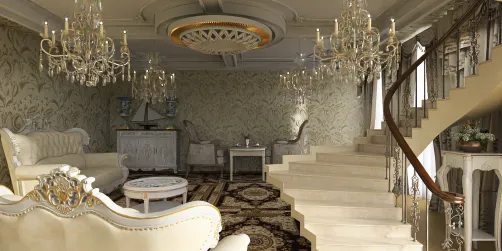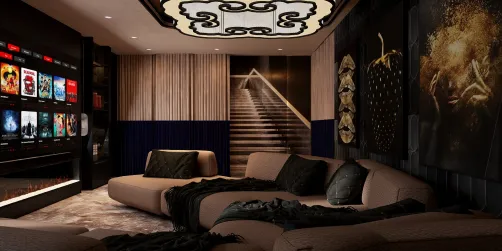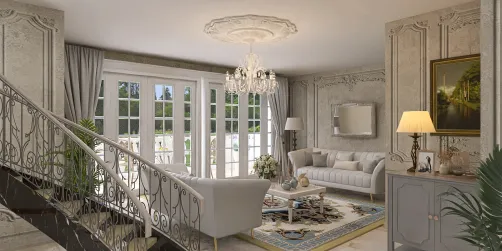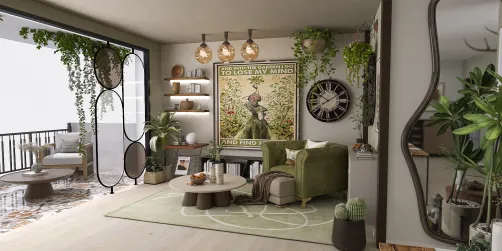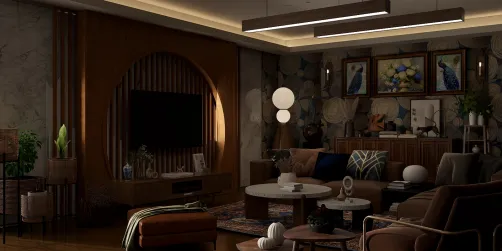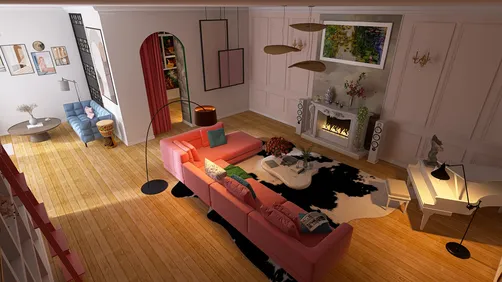
Creating a puja room ceiling involves much more than just decorative elements; it plays a vital role in influencing light, sound, ceremonial flow, and the overall atmosphere of the space. In smaller homes, the ceiling stands out as an ideal area to convey spirituality without cluttering the environment. I integrate soft lighting, natural materials, and harmonious proportions to cultivate an atmosphere of tranquility and focus, enhanced by tools like Homestyler for visualization.
Principles of Evidence-Based Design for Tranquility and Focus
The quality of lighting significantly impacts one’s mood and concentration during prayer. According to WELL v2 standards, the recommended illuminance for general tasks lies between 300 and 500 lux, highlighting the necessity of managing glare for visual comfort. Research by Steelcase demonstrates a connection between visual distractions and inadequate lighting control leading to diminished focus; therefore, consistent ambient lighting, calculated around 300 lux, with adjustable layers, plays a crucial role. I ensure a low unified glare rating through the use of shielded fixtures and matte finishes.
The colors we choose subtly direct emotional reactions. Insights from VerywellMind emphasize that warm whites and soft neutrals create a sense of comfort, while deep blues can foster serenity. In crafting a puja room, I prefer warm white lighting (2700-3000K) complemented by neutral ceilings, allowing icons and lamps to emerge as visual focal points.
Acoustics also contribute significantly to the experience of chants and bell sounds. Research from Herman Miller indicates that sound control can enhance feelings of well-being and attentiveness; thus, reducing reverberation enhances clarity during spoken words. In smaller spaces, a combination of textured paint and select acoustic panels helps keep the RT60 around 0.4 to 0.6 seconds, ensuring sound clarity and intimacy.
Ceiling Designs that Respect Ritual Practices
The geometry of the ceiling can express the intent of a ritual. A shallow coffer or recessed tray can beautifully frame the shrine, focusing attention without overwhelming the viewer. Curved soffits soften edges and reflect gentle light onto important icons. In confined apartments, a slim perimeter drop of 80 to 120 mm, alongside concealed LED coves, creates a luminous halo—quiet, dignified, and space-efficient, ideally suited for design tools like Homestyler.
When a puja space merges with a living area, the ceiling should subtly demarcate the sacred from the secular without imposing strict boundaries. I utilize a designated recess above the altar while maintaining a continuous flat ceiling in other areas for a clean transition. To evaluate proportions prior to settling on a design, employing a room layout tool can aid in visualizing sightlines, altar placement, and recess dimensions, such as those offered by Homestyler.
Layering Lighting: From Ambient Softness to Focused Highlights
Utilizing varied lighting layers guarantees reverence while serving practical needs. Ambient lighting includes low-glare coves or diffused downlights providing approximately 300 lux at the floor level. Accent lighting features 200-300 lux directed onto icons with narrow-beam spotlights, angled to minimize glare on reflective surfaces. Task lighting consists of small recessed fixtures near scripture stands to provide around 400 lux when reading. Maintaining color temperature consistency (2700-3000K) and aiming for a high color rendering index (CRI ≥90) is essential to respect the intricate details of materials like brass, wood, and textiles.
Dimmable drivers facilitate a smooth transition from morning prayers to evening rituals like aarti. For diya or oil lamps, it’s crucial to ensure appropriate clearance from flammable items and protect electric fittings from soot build-up. Exposed point sources should be avoided directly at eye level; indirect coves behind shallow lip features can create a warm and enclosing ambiance that follows IES comfort guidelines.
Material Choices: Authentic, Matte, and Tactile
Ceiling finishes should be serene, durable, and easy to maintain. I recommend using matte lime plaster or low-VOC matte paint to minimize glare and enhance the warmth reflected under 2700K illumination. For acoustic control, micro-perforated wood panels or fabric-wrapped absorbers contribute to temple-like resonance while ensuring speech clarity. If incense usage is frequent, selecting moisture-resistant materials and sealing edges can prevent staining from smoke.
Metallic accents can hold symbolic value; however, it’s essential to manage their reflectiveness to avoid glare. Brushed brass in trim or diya niches is preferable over high-polish finishes. Wood ceilings, especially light oak or teak veneers, offer a grounded feel; pairing them with subdued grains helps reduce visual clamor.
Balance, Rhythm, and Visual Harmony
Spaces designated for rituals thrive on visual harmony. I keep the central ceiling area uncluttered, linking perimeter rhythms to altar width. A straightforward principle is to align the main recess with the icon niche while positioning coves 150-200 mm away from the walls to achieve a floating appearance. While symmetry brings a calming effect, asymmetry can also be aesthetically pleasing when counters balanced with a prominent light band or a subtle beam focusing on the icon due to the offset caused by doors or windows.
For lower ceilings (≤2.6 m), it’s advisable to steer clear of heavy coffers; instead, utilize shallow reveals and lighter finishes. In rooms with greater heights, a gentle tray can mitigate the feeling of vertical emptiness and bring the ceiling visually nearer to create an inviting atmosphere for prayer.
Ergonomics and Flow of Movement
Prayer rituals often involve various physical actions like standing, sitting, reaching for bells, and handling scriptures. To promote fluid movement, avoid placing fixtures within overhead reach zones; stray away from pendant fixtures that could impede motion or headroom. Steelcase’s studies on focus and posture underline the importance of limiting visual distractions—translating this into fewer fixtures and organized cable management. For frequent incense use, incorporating a minor ceiling extraction grille can gently manage smoke movement and protect the finishes.
Color Strategy for Ceiling and Lighting
Using warm whites and almond hues on the ceiling creates a soft reflection onto icons. Insights from VerywellMind highlight that warm tones elicit comfort, while excessive vibrant colors might induce energy instead of tranquility. Utilize intense colors sparingly—perhaps in slim bands or stenciled accents—to maintain a serene environment under the gentle glow of aarti.
Managing Glare and Ensuring Visual Comfort
It's important to shield LED sources using 30-45° cut-off angles and choose fixtures equipped with diffusers or micro-baffles. Position accent lighting slightly forward of the altar and direct it obliquely to mitigate glare on metallic surfaces. When reading scripture, including discreet task lighting with a high R9 value aids in rendering red clarity. Keeping luminance ratios moderate—avoiding stark brightness contrasts between the altar and the room’s edge—ensures comfort during prolonged chanting.
Acoustic Comfort in Compact Puja Spaces
In smaller rooms, sound can become quite sharp. A modest percentage of sound-absorbing surface—10-20% of the ceiling or upper wall—can help diminish echo effects. If you prefer a natural resonance for bells, concentrate sound absorption on surfaces opposite the altar while preserving reflective areas near the shrine. This strategic balance maintains the sanctity of tone while preserving vocal clarity.
Ceiling Details: Symbolism, Niches, and Stencils
Symbolic details on the ceiling should be approached with a sense of restraint. A delicate lotus stencil in a shallow recess, a slender brass inlay forming a mandala, or a carved wooden medallion centered above the altar can evoke significant meaning. It's crucial to ensure that details are proportionate to the room; oversized elements may dominate a tranquil atmosphere. A thoughtfully integrated niche for diya in the soffit is permissible only if there are adequate ventilation and heat clearance measures in place.
Sustainability and Maintenance Practices
Opt for low-VOC paints and certified wood veneers to promote better indoor air quality. WELL v2 emphasizes the importance of air quality, especially in spaces where incense is commonly used, so good ventilation and easily cleaned surfaces are essential. Incorporating durable LED drivers, accessible service panels, and avoiding disposable decorative plastics contributes to making a serene spiritual environment a responsible one.
Planning and Simulation
Before beginning construction, use temporary strips to simulate lighting effects and ceiling edges for evaluating glare and shadows. In instances where the puja area shares space with living or dining rooms, assess sightlines from seating and entry points. A layout simulation tool such as Homestyler can effectively aid in visualizing altar centering, recess widths, and cove brightness gradients.
For credible resources on light comfort and wellness, visit WELL v2 (wellcertified.com). For insights regarding focus and behavior in compact settings, refer to Steelcase’s extensive research (steelcase.com/research).
Frequently Asked Questions (FAQ)
Q1. What level of illuminance should I aim for in a puja room?
Aim for ambient light around 300 lux, accent lighting on icons at 200-300 lux, and approximately 400 lux for reading scriptures, ensuring a warm-white tone (2700-3000K) with a high CRI to maintain the beauty of materials.
Q2. How can I minimize glare from metallic idols or frames?
Choose shielded accent lights with a 30-45° cut-off, position them in front of the altar, and avoid direct frontal aiming. Opt for brushed metal over highly polished finishes to mitigate glare.
Q3. Which ceiling designs are fitting for low-height rooms?
Utilize shallow perimeter drops and coves, avoid imposing coffers, and select light, matte finishes. Indirect lighting can visually elevate the ceiling.
Q4. Is wood a suitable ceiling option for puja rooms?
Indeed, light veneers or micro-perforated panels provide warmth and modest acoustic control. Ensure sealing and adequate ventilation for incense use to prevent staining.
Q5. What is the best way to balance resonance and clarity during chants?
Apply 10-20% absorptive coverage on the ceiling or upper walls to dampen echo while keeping reflective surfaces near the altar for bell tones.
Q6. Which hues contribute to a serene ceiling atmosphere?
Warm whites, gentle neutrals, and almond tones encourage tranquility. Employ vibrant colors sparingly for small motifs to avoid overstimulation.
Q7. How do I safely incorporate diya lighting?
Maintain a safe distance between open flames and overhead fixtures, ensure adequate heat clearance, and facilitate ventilation. Use dim-to-warm LEDs to enhance diya light softly without glare.
Q8. Can I include decorative stencils or symbols on the ceiling?
Yes, choose subtle motifs such as a lotus or mandala, properly scaled to the room size. Combine with soft indirect lighting to help maintain focus on the altar.
Q9. How do I effectively plan ceiling details before finalizing design choices?
Simulate cove brightness and shadow lines using temporary strips, and visualize sightlines. Utilizing an interior layout planner can assist in assessing recess depth and altar centering.
Q10. What maintenance factors should I keep in mind?
Incorporate low-VOC matte paints, accessible LED fixtures, and sealed edges to resist smoke stains. Provide gentle extraction solutions if incense is regularly used.

Homestyler is your go-to online home design platform! Its user-friendly design tool allows you to create stunning interiors effortlessly. With extensive 3D rendering options, inspiring design projects, and helpful DIY video tutorials, transforming your space has never been easier or more enjoyable!