Creating a study room for children goes beyond mere functionality; it's about crafting an inspiring and interactive environment that nurtures creativity and learning. In this article, we will delve into a variety of decoration concepts aimed at optimizing small spaces, ensuring the room remains both practical and enjoyable, featuring innovative tools like Homestyler.
Maximizing Storage with Built-in Cabinets
Storage is vital when designing a kids' study area. Built-in cabinets are an excellent solution for effectively utilizing vertical space, helping to maintain an organized and clutter-free environment. Here are some ideas to inspire you:
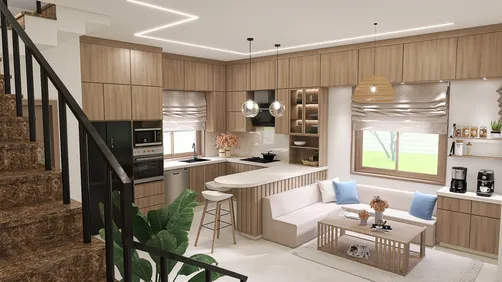
Floor-to-ceiling cabinets provide ample storage while creating the illusion of height in compact rooms. Opt for multifunctional designs that incorporate open shelves for showcasing books and toys, along with closed storage for keeping supplies out of sight.
Select materials able to endure frequent use. Plywood or laminate finishes offer durability, while vibrant colors can infuse a playful ambiance. Consider eco-friendly options to promote sustainable design practices.
Installing floating cabinets is a smart choice for saving floor space and achieving a contemporary look. These can be positioned at various heights to adapt to your child’s requirements as they mature. Safety measures should ensure these units are securely mounted.
Position floating cabinets above the study desk or in corners to make the most of usable space. This configuration fosters organization, keeping essential items easily accessible and leaving the floor open for play.
In smaller rooms, think about incorporating hidden desk cabinets that can be concealed when not in use. These clever solutions can convert any corner into a study haven without sacrificing the room’s visual appeal.
Multi-functional built-ins can fulfill diverse roles—providing storage, workspace, and even cozy reading nooks. Striking a balance between practicality and aesthetics is crucial to maintain an inviting atmosphere.
Adding Color and Personal Touches
Colors play a pivotal role in influencing a child's mood and productivity. Brightly colored spaces can energize a study area, while softer hues create a tranquil environment. Customizing the room with your child’s favorite colors or themes enhances its warmth and appeal.
Wall decals are a simple and effective way to inject fun elements into the decor without making permanent changes. Removable decals can be updated as your child grows, and displaying their artwork can cultivate a sense of pride in their study space.
Establish designated areas within the study room for various activities—such as reading, crafting, or studying. Utilizing rugs or distinctive furniture arrangements can delineate these zones, making the space more organized and functional.
Effective Lighting Choices
Proper lighting is fundamental for any study area. Combine natural light with task lighting to establish a well-lit environment that promotes concentration.
Maximize the influx of natural light by positioning the study desk near windows. Employ sheer curtains to let light filter in while minimizing screen glare.
Include adjustable desk lamps that offer focused lighting for reading and homework. Choose playful designs that appeal to children, contributing to a lively study atmosphere.
Frequently Asked Questions
Q: What are effective strategies for enhancing a small study room's functionality for kids? A: Utilize multi-purpose furniture, built-in storage solutions, and define activity zones to optimize functionality.
Q: Which colors are most suitable for a children's study room? A: Bright hues can invigorate the area, while softer tones create a soothing environment. Your child's preferences should guide your choices.
Explore the premier tool for designing kids’ rooms with Homestyler!






![Design [4]](https://hs-designs.homestyler.com/production/design/images/07c2de3a-88ec-4be8-8910-ff255b795bc2/1731419398293/7841697.jpg?x-oss-process=image/resize,w_502,m_mfit/format,webp)












![[For dear Adelina madee 🤎]](https://hs-designs.homestyler.com/production/design/images/8a07e535-9cbc-4132-a42a-5932dac3a112/1706972286037.jpg?x-oss-process=image/resize,w_502,m_mfit/format,webp)