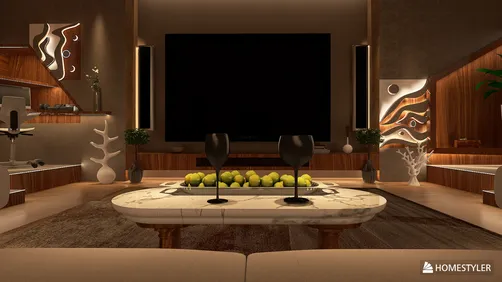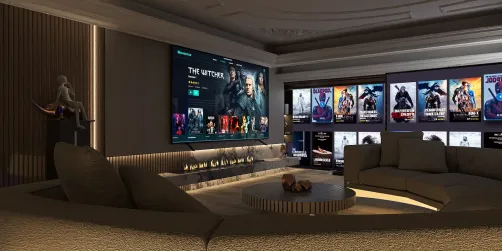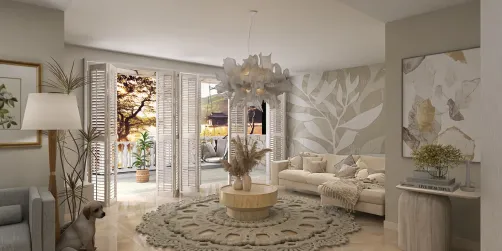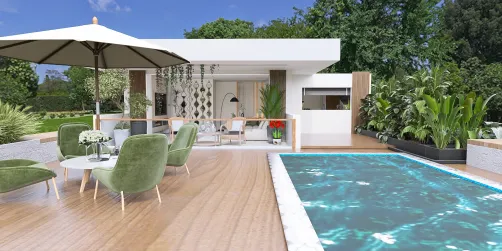
Selecting a function hall in Bowenpally, Telangana transcends merely finding a spacious venue; it involves carefully aligning the settings with your event’s purpose, encompassing aspects like space utilization, lighting quality, sound acoustics, and overall flow. With more than ten years of experience orchestrating various events from intimate sangeets to grand receptions of up to 800 guests, I’ve observed that the key differentiators between a satisfactory gathering and an unforgettable one are often the finer details—such as aisle widths, light color temperatures, careful table arrangements, and sound management. Research by Steelcase indicates that the design of spaces significantly influences human experiences, impacting stress levels and satisfaction in both professional and social environments. The principles derived from such studies can be directly applied to event planning (Steelcase Research). Additionally, the WELL v2 framework provides clear standards for lighting, recommending a brightness level of 300–500 lux for general activities to enhance visual comfort—this is particularly valuable for determining the right lighting for banquets.
Managing acoustics is equally essential for an impactful event. According to the International WELL Building Institute, effectively controlling reverberation time and background noise is crucial for clear speech, especially during ceremonies and speeches (WELL v2). In settings focused on dining and social interaction, maintaining an ambient sound level of around 60–70 dB facilitates easier conversation, while a sound system for speeches should achieve a signal-to-noise ratio exceeding 10 dB for clarity—these are standards I apply when fine-tuning venues with high ceilings and hard surfaces.
Understand Capacity, Flow, and Intent
Begin by clarifying your event's purpose and estimating the guest count. For seated meals, allocate about 10–12 sq ft per person; if incorporating mixed seating with buffet options and a dance floor, aim for 12–15 sq ft per guest to prevent crowding. It’s vital to maintain aisles of at least 1.2–1.5 m wide for smooth two-way traffic and expand to 1.8 m around buffet setups. Utilize tools like Homestyler to visualize traffic patterns about stages, mandaps, and photo spots. In the busier zones of Bowenpally, ensuring a well-marked drop-off area and clear entrance signage can greatly alleviate congestion and create a welcoming first impression.
Lighting That Flatters People and Photography
Achieve a harmonious blend of ambient, task, and accent lighting. Target 300–400 lux for general dining areas and up to 500–750 lux on key focal points such as the mandap and stage. Aim for a color temperature between 3000–3500K to create warm, appealing tones that are flattering to skin, while avoiding any direct glare from overhead lighting directly above dining tables. Following WELL v2 recommendations, consider including dimmable options to adjust lighting seamlessly throughout the ceremony, dining, and dancing segments. Emphasizing areas with wall washers and uplighting adds visual depth without causing difficulties for photographers, while fitting LED fixtures with a CRI over 90 ensure that the colors of traditional attire appear vibrant and true to life.
Acoustic Comfort for Ceremonies and Speeches
Function halls in Bowenpally usually feature marble or vitrified tile surfaces that can amplify sound. To mitigate excessive reverberation, I recommend incorporating fabric drapes as backdrops, adding carpet runners on main pathways, and using acoustic panels concealed behind decorative elements or stages. Also, position subwoofers away from corners to prevent muddiness in bass levels. During rehearsals, it's crucial to test sound pressure levels, targeting 70–80 dB for announcements and 85–90 dB during dance segments, while keeping an eye on guest comfort. The acoustic principles outlined in WELL v2 emphasize the importance of zoning—position the DJ away from dining areas to minimize sound bleed.
Color Psychology and Cultural Nuance
Colors play a pivotal role in setting an emotional atmosphere. As noted by Verywell Mind, warm shades foster sociability, making colors like saffron, coral, and gold ideal for creating a festive ambiance, while deep blues can signify calm in areas of transition. Avoid using bright, high-chroma colors near food service areas to prevent visual conflict. For traditional ceremonies, utilizing a balanced color palette with metallic accents complemented by diffuse lighting instills an element of elegance without unnecessary glare.
Seating Strategies: Family, VIPs, and Accessibility
Arrange tables for close family members within direct sight of the stage and maintain a spacious 900–1000 mm gap between round tables. Ensure there are at least two accessible routes to seating areas alongside a designated viewing area with an adequate radius of 1500 mm for wheelchair maneuvering. When anticipating the presence of elderly guests, plan for quieter seating situated away from the main speaking areas and deploy ushers to facilitate transitions.
Stage, Mandap, and Photo Zones
Elevate the stage to a height of 600–900 mm to enhance visibility, ensuring ramps are installed for accessibility. Maintain a clearance of 3–5 m in front of the stage for ceremonies and photography sessions. Implement cable management along the sides to enhance safety and avoid tripping hazards. I favor a layered backdrop approach: soft fabric for sound absorption, greenery for natural diffusion, and controlled spotlighting to highlight subjects. Utilize a layout simulation tool like Homestyler to visualize sightlines from every seating area.
Buffet and Service Logistics
When catering for 300–500 guests, consider organizing two mirrored buffet lines with a spacing of 1.8–2.0 m for orderly queuing and to facilitate easy service for staff. Position handwashing stations and water refills outside of the main flow paths to minimize congestion. The lighting above buffet areas should be slightly cooler (3500–4000K) to enhance food visibility, while also ensuring it doesn’t cause excessive glare by making use of indirect lighting or shielded fixtures (as per IES standards). Clearly visible, ideally backlit, signage can reduce wait times and improve the overall guest experience.
Outdoor Extensions and Weather Planning
Numerous function halls in Bowenpally provide semi-open courtyards or terrace extensions. To prepare for monsoon seasons, allocate a budget for tenting equipped with sidewalls, wind supports, and drainage systems. Incorporate warm string lights and pathway indicators to maintain a brightness level of 50–100 lux along walking routes. When planning outdoor acoustics, focus on careful placement of speakers and directional arrays to direct sound towards attendee areas while limiting noise disruption to nearby properties.
Material Selection and Sustainability
Prioritize flame-retardant drapery, low-VOC paint, and reusable decor frameworks. Invest in carpets with a dense pile for enhanced comfort and acoustic dampening. Collaborate with venues that utilize LED lighting systems and efficient heating and cooling methods; energy-efficient locations help in lowering operational expenses while keeping guests comfortable for extended periods.
Technology and Power Planning
Assess power requirements for equipment like DJ setups, stage lighting, catering warmers, and photo booths; distinguish circuits to prevent flickering or audio issues. Coordinate backup power provisions with the venue and ensure testing of transfer times—particularly important for lighting during ceremonies. Implement QR codes for directions and timelines to streamline information delivery and minimize printed materials.
Timeline and Vendor Coordination
Draft a detailed run sheet that outlines every aspect from setup and sound checks to ceremony timings and meal services. Designate a floor manager equipped with radio communication to synchronize the efforts of vendors, ushers, and security personnel. Conduct rehearsals under the event lighting to help photographers and videographers adjust their settings accurately—skin tones can appear fundamentally different at varying color temperatures, such as 3000K versus 4000K, making early adjustments crucial.
Budget Balancing: Where to Invest
Focus on enhancing acoustics, installing dimmable lighting, and optimizing guest movement. These three elements yield the highest returns in terms of guest satisfaction and minimizing stress for hosts. Afterward, prioritize decorative features; larger, more impactful displays like architectural lighting, sizable floral arrangements, and richly textured backdrops should take precedence over many smaller decorations.
- Confirm capacity with realistic sq ft per guest for your event type.
- Verify dimmable lighting and CRI for photography.
- Test acoustics; add drapes, panels, and carpets as needed.
- Plan stage height, ramps, and cable safety.
- Map buffet lines, water points, and handwashing stations.
- Align the color palette with cultural tones and moods.
- Coordinate power, backup, and vendor schedules.
- Use a layout simulation tool to visualize sightlines and flow.
Authority Reference
To gain a deeper understanding of how design impacts human experiences, delve into research conducted by Steelcase and performance guidelines available in the WELL v2 framework. I routinely apply their standards for lighting and acoustics to event settings, extending beyond just workplace environments.
FAQ
Q1: What capacity should I plan for a seated banquet in Bowenpally function halls?
A1: Allocate approximately 10–12 sq ft per guest for seated dining. If including buffet arrangements and a dance floor, increase to 12–15 sq ft per guest to maintain comfortable flow.
Q2: What lighting levels work best for ceremonies and receptions?
A2: Target 300–400 lux for ambient light in dining areas, with 500–750 lux for stage or mandap. Use a color temperature of 3000–3500K and incorporate dimming options for mood adjustments throughout the program, aligning with WELL v2 recommendations.
Q3: How can I improve acoustics in a hall with hard surfaces?
A3: Introduce fabric drapes, carpet runners, and conceal acoustic panels behind decorative elements. Position the DJ away from dining zones and calibrate sound levels to 70–80 dB for speeches and 85–90 dB for dance sessions.
Q4: What seating strategies benefit VIPs and elderly guests?
A4: Ensure VIP seating offers direct visibility to the stage, maintain a spacing of 900–1000 mm between tables, and provide quieter areas away from main speakers. Additionally, ensure accessible paths and a dedicated viewing space for those with disabilities.
Q5: How should I plan buffet lines for 300–500 attendees?
A5: Organize two mirrored buffet lines with 1.8–2.0 m spacing to facilitate efficient service. Position water and handwashing facilities outside main traffic areas and use cooler lighting (3500–4000K) to enhance food visibility.
Q6: What color palette should I choose for a lively event?
A6: Employ warm shades like saffron, coral, and gold to foster sociability. Consider balancing vibrant tones with neutral bases and refrain from placing high-chroma colors near food service. Utilize color psychology to maintain mood and clarity.
Q7: How can I ensure quality photography inside the function hall?
A7: Opt for LEDs with a CRI above 90, mitigate glare from overhead lighting on tables, and include both dimmable ambient light and carefully controlled accent lighting. Conduct pre-event rehearsals to enable photographers to adjust their settings accurately.
Q8: What common safety oversights occur in function halls?
A8: Common issues include unmanaged cables around the stage, inadequate aisle widths, poorly marked exits, and overloaded electrical circuits. Incorporate ramps, cable management solutions, and clear signage; ensure audio and lighting circuits are distinct to prevent technical interference.
Q9: Do outdoor extensions require additional planning?
A9: Indeed, outdoor setups necessitate considerations such as tenting with appropriate bracing during monsoon periods, utilizing warm pathway lighting at 50–100 lux, and directional speakers directed towards audiences to minimize disruption to nearby residences.
Q10: Where should I focus spending if my budget is limited?
A10: Concentrate investments on improving acoustics, installing dimmable lighting, and enhancing circulation. These enhancements yield significant improvements in guest comfort and event flow; decorative elements can then be adjusted as budget allows.
Homestyler is your go-to online home design platform! With its user-friendly design tool, vibrant 3D renderings, and a wealth of DIY video tutorials, you can effortlessly create and visualize your dream space. Transform your ideas into reality with ease and inspiration at every turn!