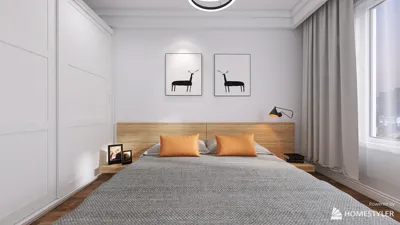


When designing children's rooms, I apply the same dedication to creativity and functionality as I do in any well-thought-out space. Since kids spend a sizable amount of time in their bedrooms and play areas, the surroundings have a profound impact on their wellbeing. The WELL v2 standard emphasizes the significance of balancing visual comfort and stimulation, while the Illuminating Engineering Society (IES) suggests using task lighting in the range of 300–500 lux for activities like reading and playing, which helps prevent eye strain. Furthermore, research by Steelcase indicates that colors and environmental cues can significantly affect mood and learning in these scenarios. These insights directly influence my choices regarding color palettes, sizes, and the arrangement of wall art while utilizing tools like Homestyler for visualization.
The role of color psychology is critical in these designs. According to Verywell Mind, studies show that specific colors can evoke different emotions—calm and focus are often linked to blues and greens, warm yellows inspire optimism, and softer pinks provide soothing reassurance. Additionally, research from Herman Miller suggests that a clear visual layout and hierarchy can enhance concentration. For wall art arrangements, I plan sightlines and activities to ensure that vivid visuals invigorate play areas, while softer, subdued pieces are placed near relaxing zones like reading nooks or sleep spaces. For layout designs and mockups—especially when accommodating elements like bunk beds and desks—I frequently use a room design visualization tool to ensure the proportions are just right before making any permanent changes.
Foundations: Scale, Safety, and Light
Understanding that children perceive scale differently from adults is crucial. Artwork centered 48–54 inches high suits adult eye levels, but I opt for a lower height of 42–46 inches in play areas to enable toddlers to see and interact with the art. I favor rounded frames or those with protected corners, utilize tempered glass or acrylic for safety, and securely attach anything heavier than 10 lbs to the wall's studs. Light quality is equally essential: I aim for 300–500 lux lighting in activity zones following IES guidelines, use high-CRI (90+) bulbs for true color representation, and maintain a color temperature around 2700–3500K for warmth without glare. Using dimmer switches also helps transition the atmosphere from playtime to a calming evening, reducing overstimulation before sleep.
Color Stories That Support Behavior
In my designs, I carefully curate color palettes with specific intentions in mind. For calming sleep environments, I select shades of dusty blue, soft sage, and neutral mushrooms, minimizing the use of high-contrast graphics near the bed area. For focused activities such as reading, I prefer muted greens and cool neutrals that do not clash with textual materials. For active play zones, I start with a base of neutral colors and introduce vibrant accents like mustard, coral, or teal in playful shapes and stripes. Drawing from Verywell Mind's research on color psychology, I reserve intense reds for small accent spots, as their overuse can increase arousal levels; in shared rooms, I deploy two complementary schemes (e.g., teal with coral) to maintain distinct zones of identity without visual discord.
Themed Walls That Grow With Your Child
I focus on creating themes that avoid becoming outdated too quickly, opting for archetypes like adventure, nature, space, or music. I construct these themes using durable foundational pieces (like French cleats for heavier items) combined with lightweight, interchangeable elements (like clips or magnetic frames) to facilitate easy updates.
Gallery Walls: Rhythm and Proportion
For gallery walls, maintaining a rhythmic arrangement is key: one large anchor piece (18x24 or larger), accompanied by two medium frames (11x14), and a series of smaller ones (8x10 or mini frames) to guide the viewer's eye. Ensure a 2–3 inch gap between frames, align them to a common baseline, and limit the total width to 60–70% of the furniture below. In compact spaces, placing a single row of art above a dresser can help reduce visual clutter. To test layout ideas, I create paper templates or utilize an interior layout tool to simulate placement and fine-tune sightlines around doors and windows.
room design visualization tool
Interactive Art: Tactile, Writable, Changeable
Children learn through interaction. I incorporate chalkboard or whiteboard paint panels framed with wood borders to contain drawings. Magnetic paint enables a wall to serve as a canvas for displaying art and for educational activities such as games involving the alphabet. I also mount felt boards and cork strips at child height to make pinning safe and simple. For easy handling, I choose grips designed for small hands over traditional pins. It's essential to keep interactive surfaces away from the head of the bed to minimize stimulation at bedtime.
Typography and Learning Cues
Typography can serve a dual role of being both fun and educational. I include features such as alphabet lines with various font weights that help with recognition; incorporating number lines and simple infographics (like weather icons or shapes) enhances play-based learning experiences. My font choices prioritize high contrast (avoiding harsh black) and favor sans-serif types for easier legibility. I limit the typography used on walls to about 20–30% of the total space to prevent visual congestion. Insights from Herman Miller’s workplace studies remind us that clear visual cues can lower cognitive load; I apply this concept with one focal typographic feature on each wall.
Murals: Big Impact, Soft Edges
Murals can instantly set a room's atmosphere. I prefer using low-VOC, washable finishes and maintaining soft edges, opting for watercolor gradients or oversized organic forms to allow for flexibility in design. For rental spaces, large fabric murals or decals can be less damaging to walls. I position more intense mural themes away from the bed, while calmer imagery (like clouds and trees) is kept within visual range to support pre-sleep relaxation.
Materials and Sustainability
I steer clear of brittle plastics and prioritize using FSC-certified wood frames whenever possible. Incorporating fabric tapestries can enhance acoustics positively. I select low-emission, wipeable paints and adhesives; the WELL v2 framework supports low-VOC materials for better indoor air quality. When choosing glazing, acrylic is preferable due to its lightweight and safe nature; if glass is utilized, it should be tempered and securely fastened to studs using appropriate hardware. Additionally, I consider sustainability through circular approaches: employing modular frames and clip systems allows for rotating art, extending the wall's life without needing to purchase new pieces.
Lighting the Art
It’s important to layer ambient, task, and accent lighting effectively. Picture lights or slim wall washers equipped with dimmers can spotlight key pieces without causing glare. I ensure beam angles are shallow to minimize reflections on glazing surfaces. Following IES recommendations, I maintain 300–500 lux in play areas, steering clear of cool temperatures (over 4000K) in bedrooms to avoid triggering overstimulation. Nightlights should be kept at less than 1 lux near beds to preserve melatonin levels.
Personalization Without Chaos
Rotational displays for personal art—such as children's drawings, photographs, and keepsakes—can be included on a rail. I recommend implementing a simple ledge or wire with clips and capping the display at 10–12 pieces. This method allows for a refreshing monthly update while archiving cherished works in a portfolio, maintaining intentional walls that celebrate creativity.
Placement Strategy and Sightlines
I plan walls with a storyboard mindset. Keeping energetic art in play zones and calming pieces near beds or reading areas is essential. Clear sightlines from the entrance are important so that the first impression remains tidy and uplifting. Whenever beds shift or desks are added, I readjust the wall plan using a layout simulation tool like Homestyler to ensure proportions are preserved and avoid awkward overlaps with furniture.
Safety and Maintenance
Safety measures must include using earthquake putty on frames, opting for closed-back designs to prevent access to small parts, and covering cords for security. I avoid glass in active areas where accidents are more likely. Choosing surfaces that are easy to clean is also essential—setting up a maintenance checklist every quarter ensures hardware is tightened, adhesives replaced, smudges cleaned, and displays rotated.
Project Snapshot: A Shared Sibling Room
In a recent project to create a shared sibling room, I balanced a subtle sage mural for bedtime with a dynamic coral-and-teal gallery situated over the play storage. Art in the reading nook consisted of small floral prints catering to a calm atmosphere, while a magnetic alpha rail showcased rotating school projects. The lighting strategy was multi-layered: maintaining task levels of 300–500 lux for desk activities, warm accent lights for the gallery, and a dimmable sconce near the sleeping area. The end result offered a playful environment during the day and a restorative space at night.
Tips 1: Quick Wins to Transform Any Kids’ Room
- Select one significant anchor artwork and develop a simple rhythm around it.
- Reduce the height of artwork for kid-friendly engagement in play areas.
- Opt for a soothing color palette close to the bed; use vibrant graphics in play zones.
- Introduce one interactive surface (chalkboard, magnetic, or felt) to foster creativity.
- Install dimmers and choose lighting at 2700–3500K to balance energy fluctuations.
- Keep children’s art displayed on a rail to enable easy updates and maintain neat walls.
- Experiment with configurations using an interior layout planner prior to hanging any pieces.
FAQ
Q1: What lighting levels are ideal around kids’ wall art?
A1: Aim for approximately 300–500 lux in play and reading areas, and utilize high-CRI bulbs for accurate color representation. Dimmers are helpful for reducing brightness in the evening.
Q2: Which colors should be near the bed to promote better sleep?
A2: Soft hues like blues, sages, and muted earth tones are effective. Highly saturated reds and stark graphics can provoke restlessness; I reserve those for play areas.
Q3: How should I position art in a child's room?
A3: In playful settings, lower the artwork to approximately 42–46 inches for better visibility. Maintain a consistent margin of 6–8 inches above furniture like dressers or headboards.
Q4: Which is better for rental properties, decals or murals?
A4: Large fabric murals or removable decals are gentler on walls and simpler to refresh. Opt for low-VOC adhesives and begin with a small test area.
Q5: How can I create a gallery wall that feels organized?
A5: Start with one prominent piece, add two medium-sized art frames, and several smaller ones. Make sure to keep a gap of 2–3 inches and align with a common baseline. Restrict the overall width to 60–70% of the furniture underneath.
Q6: What framing materials are safest for children?
A6: Rounded wooden frames paired with acrylicrather than glass are lighter and less hazardous, and if glass is a must, ensure it’s tempered and securely fastened.
Q7: Can typography assist with learning?
A7: Indeed. Featuring alphabet lines, number sequences, and simplified icon posters situated at child height can enhance recognition and play-based learning. Limiting typography to 20–30% of wall space can mitigate visual clutter.
Q8: How can I handle the ongoing flow of kids’ artwork?
A8: Consider implementing a display rail or wire with clips for rotating exhibits, capping the display to 10–12 pieces for easy updates, and preserving favorite pieces in a portfolio.
Q9: What’s the optimal color temperature for lighting in bedrooms?
A9: Ideally, keep lighting within the 2700–3500K range for a warm, calming glow. Avoid cooler temperatures exceeding 4000K in sleeping spaces.
Q10: How can I adapt wall art placements with furniture changes?
A10: Utilize paper templates or a room layout tool to simulate different scenarios. Adjust focal points as furniture shifts to maintain clear sightlines and proportionality.
Discover the ease of home design with Homestyler! This exceptional platform offers a user-friendly online design tool, stunning 3D renderings, and a wealth of design projects and video tutorials. Whether you're a beginner or a pro, Homestyler empowers you to create your dream space effortlessly.
Design Now for FREE
































