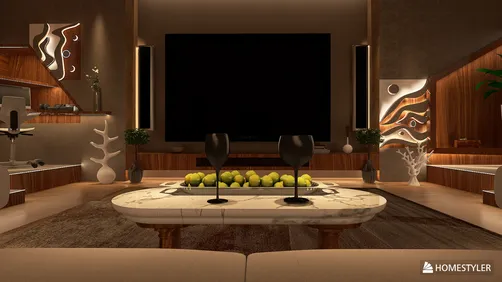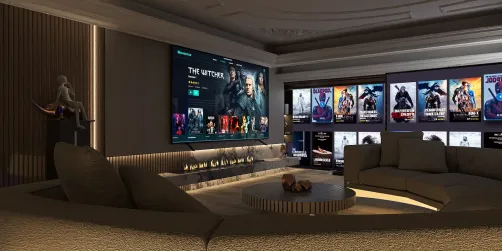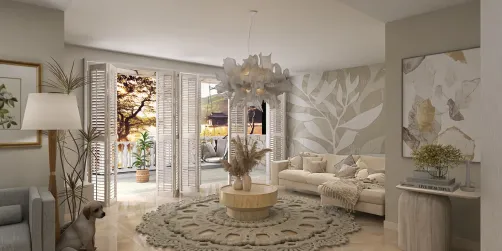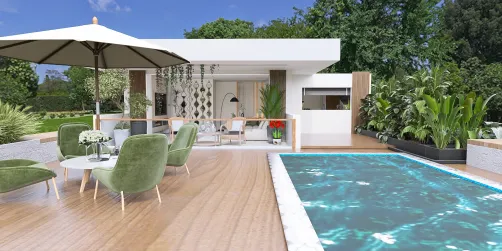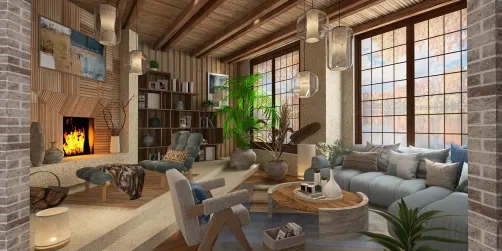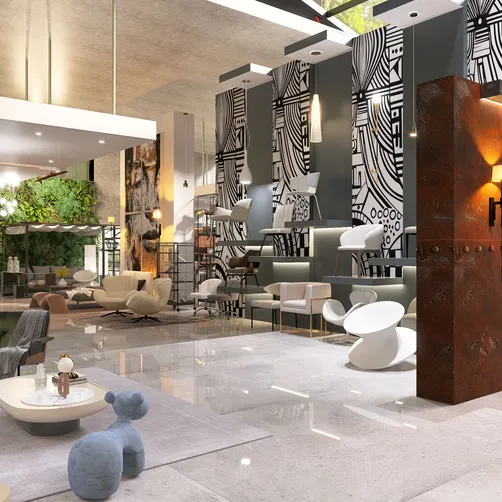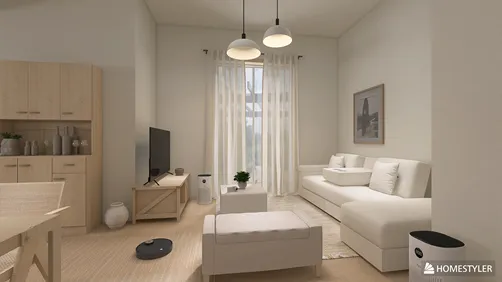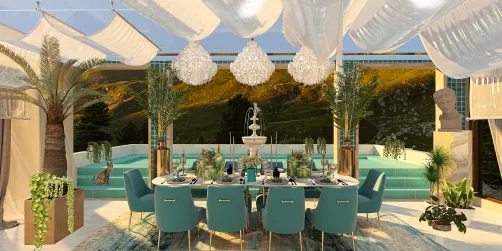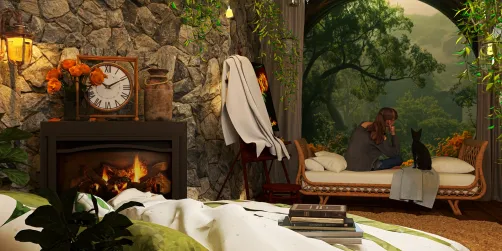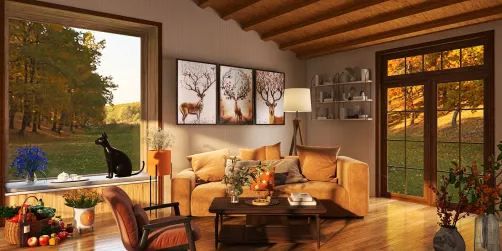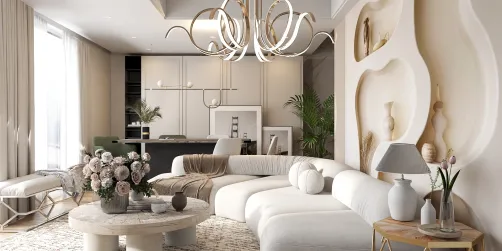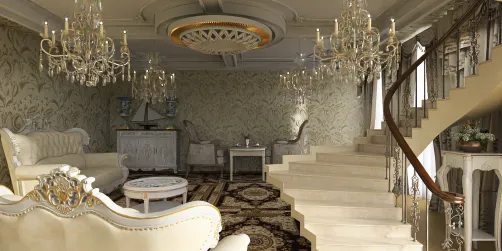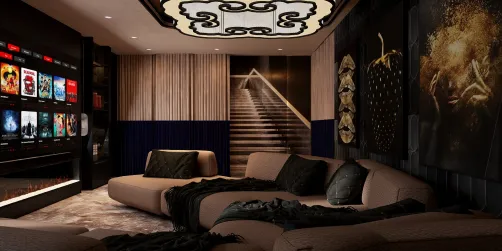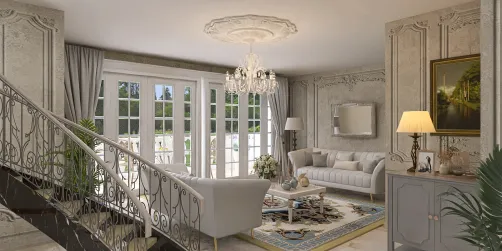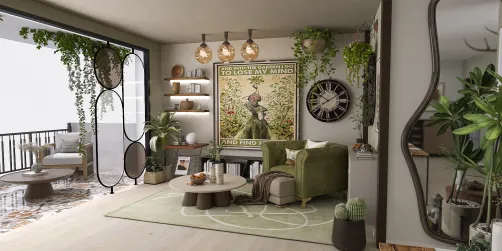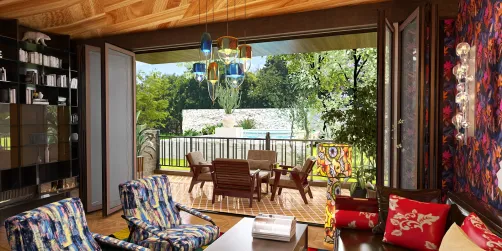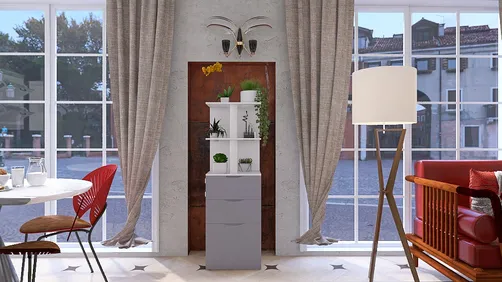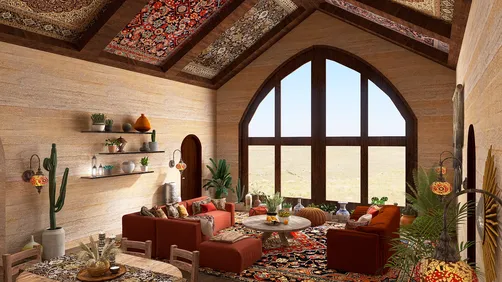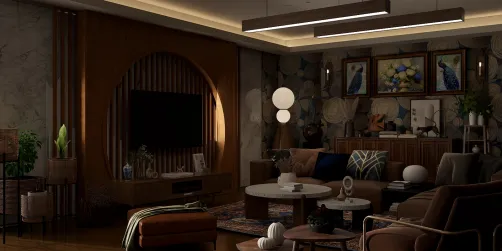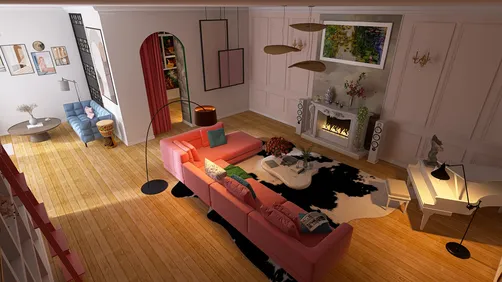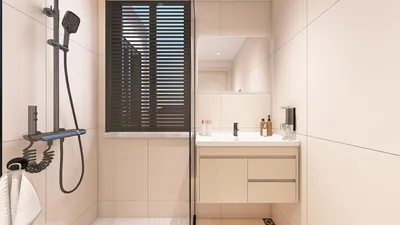
Royal does not have to imply an overwhelming or outdated aesthetic. In my designs, the most striking royal color palettes convey a sense of sophistication, tranquility, and subtle confidence—combinations that respect deep shades while ensuring clarity, comfort, and lightness. I base my color choices on quantifiable standards: according to WELL v2 guidelines, living spaces should have a minimum illumination of 300–500 lux for everyday tasks, with increased vertical brightness for visual ease which affects how vibrant colors appear on walls and fabrics. Furthermore, Steelcase research indicates that visual complexity and contrast can impact perceived comfort; nuanced color palettes with managed contrast minimize visual strain and enhance relaxation, especially useful when layering rich tones in a living area (source: steelcase.com/research).
The context surrounding color is equally crucial. Interior lighting and material reflectance can quickly alter a royal palette’s essence from elegant to dreary. The Illuminating Engineering Society suggests utilizing a combination of ambient, task, and accent lighting to reduce glare and enhance color rendering. From a behavioral perspective, Verywell Mind correlates blue with calmness and reliability while linking red to vibrancy and focus—two foundational colors I utilize to facilitate various activities in the living room, from conversations to focused reading. Using these principles, I curate color schemes that embody regal traits while remaining livable.
Design Intent: Defining 'Royal' within Your Home
To me, the term royal goes beyond ostentatious gold accents; it encompasses depth, proportion, and texture. It’s about achieving a harmonious saturation, using tactile materials, and implementing lighting that enhances rather than diminishes. An effective scheme integrates three essential elements: color psychology (mood), human factors (comfort and visibility), and spatial rhythm (the distribution of color masses across walls, floors, and furnishings). The end result should elevate a room’s perceived value without overwhelming the senses.
Signature Royal Color Combinations That Are Effective
This color trio radiates elegance and clarity. Opt for sapphire (LRV ~8–12 in paint equivalents) on a feature wall or furniture pieces, complemented by aged brass fixtures, and maintain ceiling or wainscoting in a bone white to promote light reflection. Target lighting levels of 400–600 lux at seating areas for evening reading; high-CRI lamps (90+) maintain blue richness without discoloration. For compact spaces, reduce blue tones to 30–40% of visible areas to avoid excess visual compression.
Emerald shines luxuriously under warm 2700–3000K lighting. Pair it with walnut to anchor the palette, introducing warmth that enhances acoustic comfort, especially with rugs and drapes. I reserve metallic gold for limited accents like mirror frames and lamp collars to minimize glare. Aim for contrast ratios around 3:1 between walls and trims for a graceful edge definition that aids visual comfort.
Purple adds a touch of formality, while charcoal maintains a contemporary feel. I’ve applied this in spaces with lofty ceilings, where utilizing a softer porcelain tone on crown molding helps sustain an airy vertical feel. When using velvet, combine it with textured weaves to minimize glare under accent lighting. Ensure at least two diffuse light sources to prevent color banding on darker fabrics.
Perfect for areas centered around conversations, burgundy around seating areas fosters intimacy while taupe extends the duration of daylight. Bronze fixtures introduce a gentle, low-gloss reflectance that photographs beautifully without creating hot spots. Implement dimmable layers to transition from 500 lux in the early evening to 200–300 lux late at night to create a cinematic atmosphere.
In homes that receive abundant daylight, indigo maintains saturation without appearing overly dark. Combine it with high-reflective white marble or porcelain for definitive edges; smoked oak contributes depth at the base. Control daylight with layered drapes; keeping glare within comfortable thresholds prevents whites from blurring and affecting adjacent indigos.
Balancing Light, Color Temperature, and Glare
Color perception is influenced by light. Cooler light sources in the 3500–4000K range sharpen blues and greens, while warmer 2700–3000K lights enrich reds and golds. I often mix light sources: warm ambient light for coziness, neutral task lighting for clarity, and pinpoint accents to define texture. Following IES recommendations, I minimize glare with diffusers, baffles, and indirect methods. Avoid single overhead downlights on glossy finishes; wall washers are preferable to evenly distribute color across vertical spaces.
Proportion and Placement: Allocating Each Color Wisely
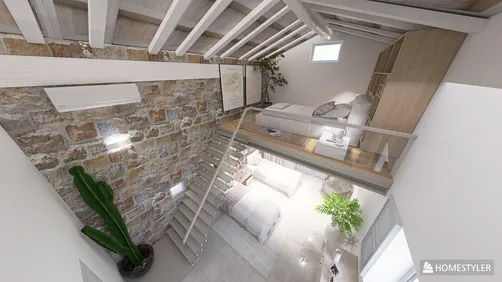
Adopt a 60/30/10 ratio to start: 60% grounding neutrals (bone, taupe, porcelain), 30% primary royal colors (sapphire, emerald, burgundy), and 10% metallic or high-contrast accents. In elongated spaces, spread the 30% across two non-adjacent areas to prevent "color pooling." If testing furniture arrangements alongside color blocks, a layout simulation tool like Homestyler can assist in visualizing proportions, circulation, and focal balance before finalizing arrangements.
Texture, Materials, and Sustainable Options
Royal palettes thrive on tactile diversity: velvet paired with bouclé, brushed metals with honed stone, matte walls alongside satin trim. For eco-friendliness, emphasize low-VOC paints and FSC-certified wood when feasible. Dark colors can reveal dust; select performance fabrics with tight weaves and stain-resistant finishes to maintain visual appeal without excessive upkeep. Rugs made from natural fibers enhance acoustic absorption, ensuring clarity of conversation in expansive, reflective spaces.
Acoustic Comfort in Rich, Reflective Designs
Gilded frames, stone, and glass heighten reflections. Integrate soft, sound-absorbing materials—such as rugs, lined drapes, and upholstered panels—alongside metallic elements. Position absorptive pieces near primary seating and critical reflection zones from speakers or televisions. A quieter environment amplifies the "royal" atmosphere by making voices more intimate rather than echoey.
Daylight Management: How Sunlight Impacts Royal Colors
North-facing light keeps colors cooler and more consistent—ideal for sapphire or indigo. West-facing light heightens warm tones in late-day settings—beneficial for burgundy but potentially problematic for maintaining neutral tones with purple. Evaluate paint swatches on multiple walls throughout the day, adjusting with sheers and dimmers to keep perceived saturation stable as the sunlight varies.
Furniture and Artwork: Grounding the Color Scheme
Allow one primary piece to take center stage—be it an emerald sofa, indigo rug, or burgundy club chair. Contrast it with neutral backgrounds to provide visual rest. Art can help bridge colors: a piece that includes your main shade and an accent will offer a cohesive and intentional look. Reserve metallics for less-traveled areas; use solid bronze or brass where a patina is desirable, and lacquer finishes where a glossy appearance is preferred without fingerprints.
Strategies for Small Spaces: Achieving Royal Charm Without Heaviness
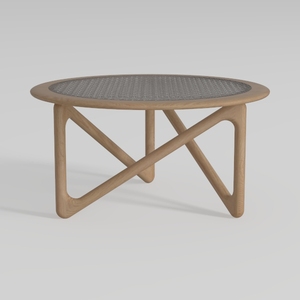
Select mid-tone variations of royal shades, lower glossy finishes to eggshell, and enhance light reflectance on ceilings. Vertical color blocking—darker walls below paired with lighter upper colors—will give the illusion of higher ceilings. Use glass-top tables and slender seating designs to reveal more floor space, maintaining a light density even when saturated colors are close by.
Common Mistakes and My Strategies to Avoid Them
FAQ
Aim for 300–500 lux in general living spaces, with a reduction to 200–300 lux for evening use. Utilize high-CRI (90+) lighting to ensure colors like blues, greens, and burgundies remain vibrant without dullness.
Employ 2700–3000K lighting for warmth in burgundy and gold themes. For sapphire or emerald, combine warm ambient lighting with 3500–4000K task lights to retain clarity without becoming cold.
Limit deep shades to 30–40% of surface space, keep ceilings lighter, and use reflective accents sparingly. Implement wall washing techniques to brighten vertical surfaces without causing glare.
Indeed—pair one primary metal (like brushed brass or bronze) with a supporting finish (such as blackened steel). Maintain low reflective contrast to prevent hotspots under accent lights.
Choose materials such as matte walls, velvet or chenille for seating, honed stone, smoked or walnut wood, and bouclé textiles. Balance these with open-grain textures for a breathable appearance.
Managing reverberation enhances vocal clarity and enriches music, elevating the perception of quality. Add rugs, lined curtains, and upholstered items for sound absorption.
Consider a 60/30/10 ratio: 60% neutrals, 30% primary royal tone, and 10% metallic or high-contrast accent. Adjust according to available daylight and room dimensions.
Test large paint samples on two orientations, observe throughout the day, and consider both warm and neutral artificial lighting. Look for changes in undertones during sunset.
Select patterns that repeat your wall color and one neutral. Low-contrast patterns will ground a space without introducing visual distractions; high-contrast designs work best in larger areas.
Absolutely, but use it judiciously as a contouring tool for elements like lamp shades, picture frames, or small furniture legs so it sharpens edges without overwhelming your scheme.
Plan focal walls, seating areas, and lighting placements before painting. A digital interior layout planner, like Homestyler, can help you visualize sightlines, circulation, and color balance effectively.
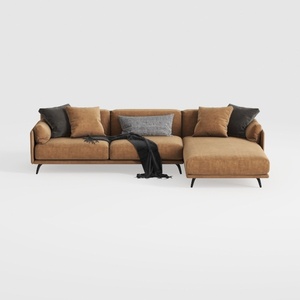

Discover your design potential with Homestyler! This user-friendly online platform offers a seamless design tool, stunning 3D renderings, and a treasure trove of DIY video tutorials. Whether you're a beginner or a seasoned pro, it empowers you to craft your dream space with ease and creativity.