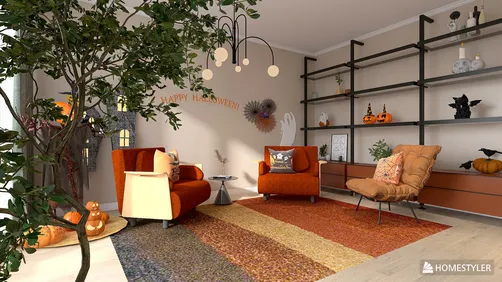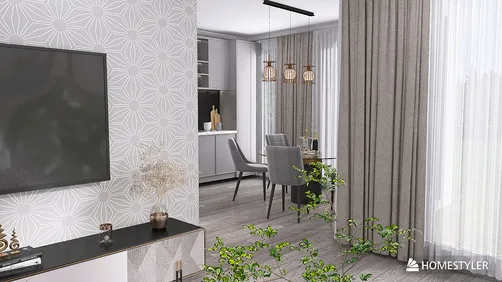
I once worked with a client who envisioned their bedroom to resemble a "forest cabin"—minus the insects and pine aroma. I developed a mood board featuring clay hues and raw wood accents, then created a quick 3D mockup using Homestyler to help them visualize the concept before making any purchases. Small rooms require careful consideration, and these limitations can lead to unexpectedly bold and grounded earthy bedrooms.
1. Textures from Nature
I enjoy blending linen, raw cotton, woven jute rugs, and a reclaimed-wood headboard—each texture contributes to an overall color scheme in a smaller space. The result is immediate tactile warmth, but be mindful of higher maintenance (as dust can be visible on some fabrics); opt for machine-washable or low-maintenance weaves for everyday use.
save pin
2. Palette of Warm Earth Tones
Instead of settling for a basic beige, consider a combination of complementary tones: a warm clay wall, taupe bedding, and an accent of deep olive or terracotta. Before committing to larger purchases, I often advise clients to outline their space with the chosen shades to observe proportions and prevent overwhelming color schemes. The key challenge is achieving balance; too many warm colors can create a heavy feel, so it's wise to incorporate light-reflecting elements such as pale wood or soft gold accents.
save pin
3. Curvy and Organic Furnishings
Furniture with curves—like rounded nightstands and a softly contoured headboard—offers a more inviting and human touch compared to rigid modern styles, harmonizing beautifully with earthy palettes. While custom pieces may come with a higher price tag, solid thrifted finds or a single standout item can elevate the room while keeping costs manageable.
save pin
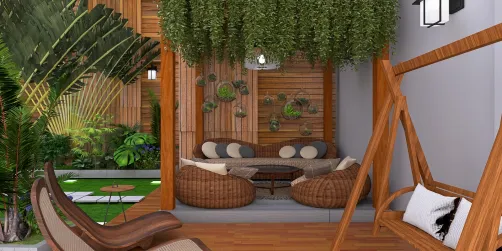
4. Natural Touches & Abundant Light
Incorporating plants such as a fiddle leaf fig, trailing pothos, or dried pampas grass immediately brings an element of nature into the bedroom; they not only enhance mood but also purify the air. In smaller spaces, I prioritize window treatments that maximize light exposure: sheer linen curtains warm up the space without blocking sunlight, though blackout options are essential for quality sleep.
save pin
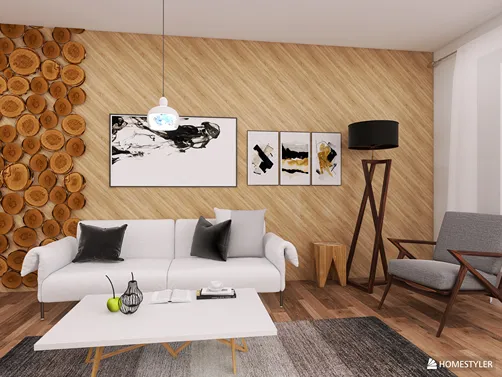
5. Minimal Rustic Accent Walls
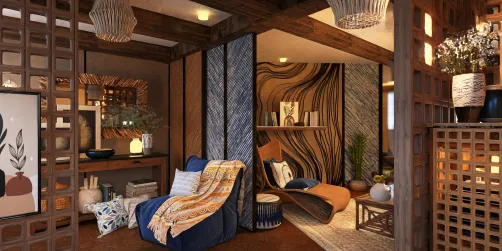
Utilizing a reclaimed-wood slat or clay-colored plaster accent wall can anchor the bed and create an intentional appearance rather than a cluttered feel in a compact room. It's beneficial to preview a complete floor plan first to ensure that the accent wall enhances rather than dominates the space—it can be impactful and removable with panels or paint as an option. Budget-friendly tip: consider installing tongue-and-groove plywood and staining it to achieve a rustic look without the expense of reclaimed timber.
save pin
FAQ
1. What defines "earthy" decor?
Earthy decor emphasizes natural shades (such as clays, ochres, and greens), raw materials like wood and jute, and organic shapes, creating a soothing, low-contrast aesthetic.
2. Is this style suitable for smaller bedrooms?
Absolutely! Earthy palettes can render compact rooms cozy rather than cramped; just keep contrasts modest and include reflective accents to avoid a dungeon-like atmosphere.
3. How do I select appropriate plants for a bedroom?
Opt for low-light tolerant plants like snake plants or pothos if natural light is limited. Also, bear in mind maintenance and pet safety when selecting varieties.
4. Will earth tones darken my bedroom?
They might if used excessively; balance them with light textiles, mirrors, and warm metallic or lighter wood accents to brighten the space.
5. What type of bedding complements an earthy theme?
Neutral, breathable materials like linen or organic cotton in layered tones add depth and comfort—aim for texture variations instead of prints for a polished appearance.
6. How can I personalize my space while maintaining a minimalist approach?
Incorporating one or two artisan-crafted elements—like a woven wall hanging, a ceramic lamp, or a vintage rug—can make the space feel curated rather than staged.
7. Is there research supporting the benefits of earth tones for sleep and wellness?
Yes—colors and environment influence mood. The National Sleep Foundation states that calming colors and uncluttered surroundings can signal to the brain that it’s time to relax (source: https://www.sleepfoundation.org).
8. Can I blend modern and rustic elements?
Absolutely—pairing modern, streamlined furniture with rustic materials (like a sleek bedframe alongside a reclaimed nightstand) creates contrast and avoids a overly thematized look.
save pin
Homestyler is your go-to online home design platform, perfect for bringing your creative visions to life. With its user-friendly design tool, stunning 3D renderings, and a wealth of DIY video tutorials, you can easily explore and execute your interior design ideas, no matter your experience level!