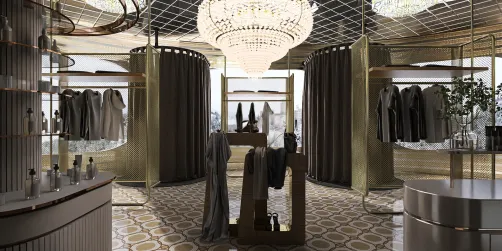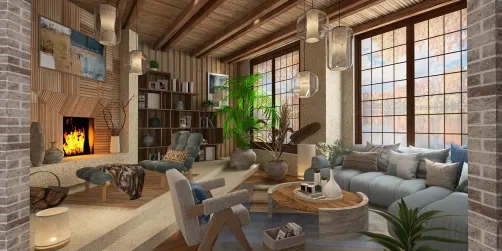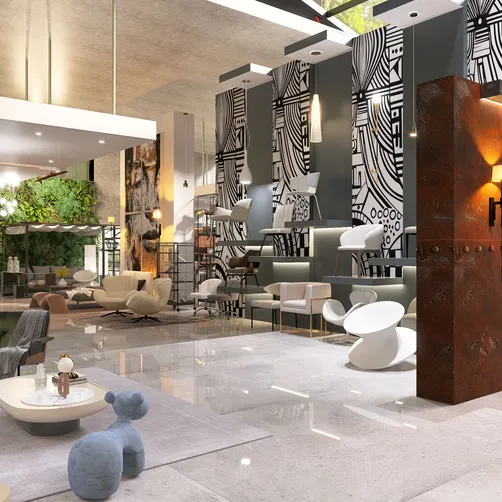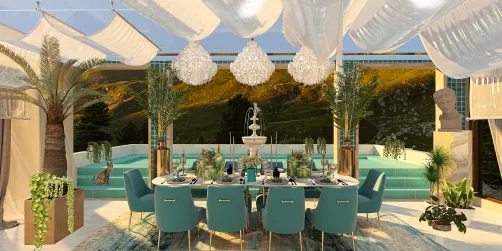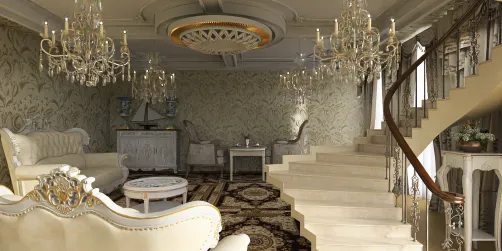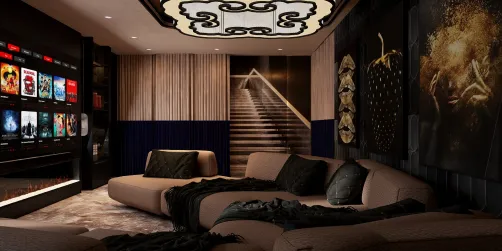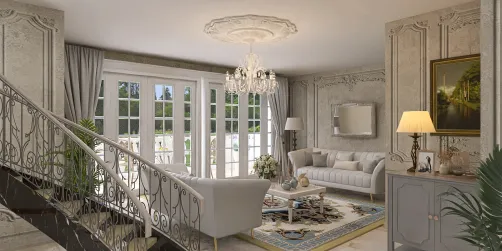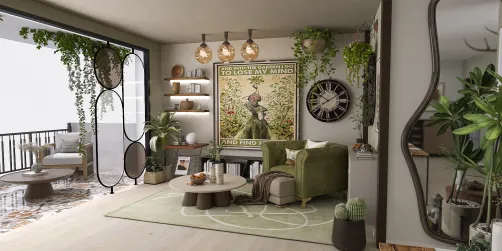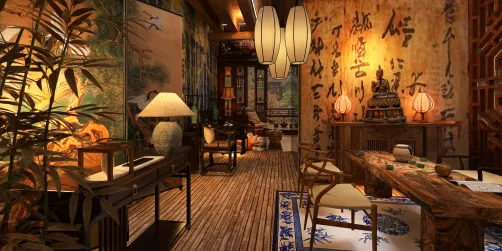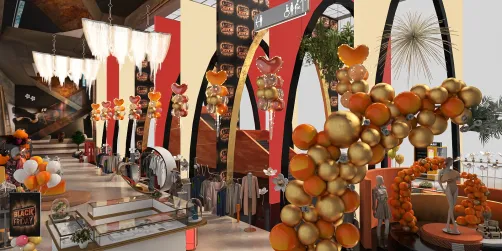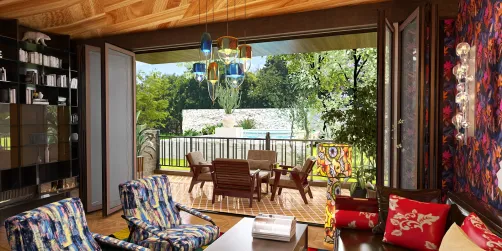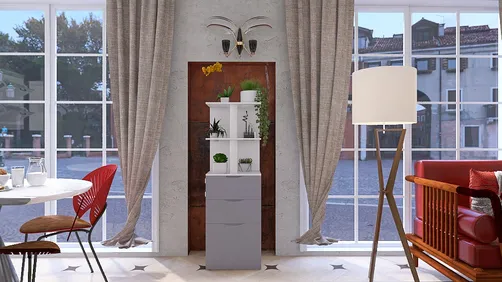
When selecting a marriage hall in Deoghar, it's crucial to go beyond simply locating a spacious venue adorned with chandeliers. Prioritize having proportional areas, adjustable lighting, clear acoustics, and a layout that facilitates various activities such as rituals, dining, and photography without congestion. Understanding capacity is vital: ensure there’s a space allocation of 10–12 square feet per guest for seated banquets and 7–8 square feet for theater-style setups—these standards help maintain a smooth and safe movement throughout the venue.
Two key insights shape my list of potential venues. Firstly, managing lighting and sound enhances guest comfort and satisfaction; the WELL v2 framework emphasizes glare reduction, tunable color temperatures, and certain sound reverberation levels as essential for occupant comfort (for more details, refer to WELL v2 Light and Sound concepts available at v2.wellcertified.com). Secondly, the issue of space misalignment is the most common concern shared by venue hosts; according to research from Steelcase, environments designed for specific activities can significantly enrich the overall experience and lessen stress, reinforcing the importance of designated zones and intuitive traffic flow (source: steelcase.com/research). I apply these concepts when evaluating venues: inquire about lux levels, reverberation times, and flexible partition options prior to making a decision.
Here's a practical method for selecting the ideal marriage hall in Deoghar, integrating principles of layout design, color psychology, sound management, and material selection with considerations such as budget, catering options, and seasonal climate.
Choose Wisely: Location, Accessibility, and Seasonal Considerations
I focus on halls located within a 15–25 minute drive from major routes leading to Baidyanath Dham, ensuring easy access to parking facilities. In the rainy season, covered drop-off areas and elevated structures can mitigate last-minute issues. A hall with dual entrances—one for guests and one for vendors—prevents conflicts between load-ins and guest arrivals. Assess the reliability of power sources; venues equipped with on-site generators capable of supporting HVAC and stage lighting are worth the investment during peak wedding seasons.
Space Management and Traffic: The Flow Experience
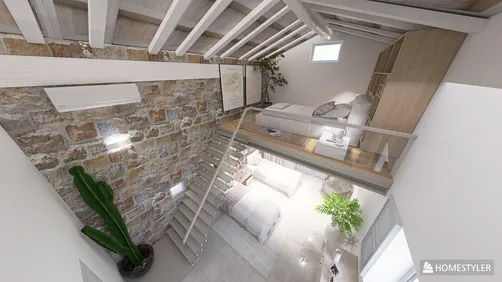
Begin with a confirmed guest count and subsequently design the various zones: mandap (the main altar), seating, buffet areas, live cooking stations, photo opportunities, and the dance floor. A suitable breakdown for mixed-reception settings is 35% for seating, 25% devoted to circulation, 20% for food service, 10% for the stage, and 10% as adaptable spillover areas. If the venue incorporates movable partitions, the pre-function space can be transformed into a children’s play area or a photo lounge after the main ceremonies. When evaluating layouts, using an interior layout planner can assist in refining aisle widths, mandap positioning, and buffet placements while considering realistic guest movement—consider using a layout simulation tool like Homestyler to visualize traffic before finalizing decor.
Optimal Lighting for Ceremonies and Photos
For rituals, aim for an ambient light level between 300 and 500 lux with a warm color temperature of 2700–3000K; dining experiences shine best with around 300 lux, while lively dance areas can elevate to 400–600 lux with dynamic color tones to enhance energy. Following IES guidelines, it's crucial to layer ambient, task, and accent lighting to reduce glare and adjust stage lighting to maintain facial clarity in photographs (check out ies.org/standards for lighting standards). Inquire with venues about CRI (Color Rendering Index) of 80 or more, dimming controls at the mandap, and whether chandeliers are wired independently from wall lights. While candle-lit settings add ambiance, ensure emergency egress lighting meets safety codes.
Clarity in Sound and Speech
When it comes to vows and announcements, sound clarity is essential; a reverberation time (RT60) in large halls should be between 0.8 and 1.2 seconds—longer reverberations can muddle dialogue. To manage echoes, incorporate carpets, fabric drapes, and acoustic treatments on parallel walls. Position audio equipment for even distribution instead of directing sound forcefully toward the stage. If the hall has a low ceiling, opt for more dispersed ceiling speakers at lower volumes. During your venue visit, don’t forget to test the microphone from various parts of the hall.
Stage, Mandap, and Visual Perspectives
A stage height ranging from 18 to 24 inches balances visibility for all while maintaining safety for older guests. Ensure a distance of at least 10 to 12 feet between the front row and the stage edge to facilitate photographer movement without obstructing guests’ views. If pillars obstruct sightlines, slightly angle seating arrangements toward the mandap to keep visual connections intact. Allocate at least 5 to 6 feet for side aisles to avoid congestion when service staff and photographers vie for space.
Dining Logistics: From Buffet Setup to Service
For guest lists ranging from 300 to 400, I recommend setting up two mirrored buffet lines, allowing 12 to 14 inches per dish pan and 4 to 6 feet for queuing; this significantly reduces waiting times. Only separate vegetarian and non-vegetarian serving lines if proper ventilation is in place, as mixed aromas can dominate the hall. Position live cooking stations outside the main seating area or near a terrace to alleviate heat buildup. Separate water and dessert stations from the main buffet to ensure a smoother flow.
Climate Control and Comfort: Managing HVAC and Air Quality
Evaluate the tonnage of the HVAC system against the anticipated guest load: each person contributes approximately 500-600 BTU/hr. This factor is critical for densely packed receptions. Ensure that a supply of fresh air is available, as relying solely on recirculated air can lead to discomfort; guests can feel the impact after an hour. Position the pheras away from buffet lines or in an area with separate ventilation to prevent lingering odors. Installing portable air curtains at entrances can help maintain climate control during high-traffic times.
Understanding Color Psychology and Decor Decisions
Employ warm neutral tones and soft marigold or blush accents to ensure flattering skin tones in photographs. Highly saturated lighting can cast unflattering colors on faces; reserve those for backdrops only. Color psychology studies reveal that red tones can increase arousal while blue tones promote calmness; strategically use these colors in lounge areas versus dining sections. If the couple prefers bold palettes, concentrate vibrant hues on the vertical surfaces behind the mandap and keep table surfaces neutral to highlight food presentation.
Material Choice, Safety, and Eco-Friendliness
Prioritize the use of fire-rated fabrics and low-VOC materials—this is especially important for guest health, particularly for children and the elderly. Incorporate non-slip ramps, handrails near stairs, and tactile flooring to enhance accessibility. Venues equipped with energy-efficient LED lighting and induction cooktops for live stations minimize heat loads and reduce generator demands—a significant advantage during summer events.
Vendor Coordination and Service Areas
I always request a dedicated service corridor from the kitchen to dining areas to keep waiting staff out of guest pathways. A small space (10x12 ft) designated as a green room behind the stage, equipped with mirror lighting, facilitates quick outfit changes. Arranging for load-in the night before prevents conflicts with morning ceremonies; confirm the dimensions of lifts if large décor items or equipment are involved.
Understanding Your Budget: What’s Included
Request detailed quotes that list all items: hall rental timing, HVAC usage, generator fuel costs, total count of chairs and tables, stage riser specifications, and cleaning services. Clarifying corkage fees and vendor restrictions is also essential. During peak wedding dates in Deoghar, it may be more cost-effective to opt for a slightly higher venue fee that includes essential HVAC and power services rather than facing additional charges later on.
Site Visit Essentials (Deoghar Focused)
- Travel time and distance from Baidyanath Dham and local hotels
- Availability of covered drop-off and effective drainage systems for monsoon seasons
- Assessment of parking space and valet service options
- Accurate measurement of hall dimensions and ceiling heights (confirm with a measuring tape)
- Evaluation of lighting controls: separate circuits and dimming options
- Presence of soft acoustic elements and practical tests of reverberation times
- Assessment of HVAC capability, fresh air provisions, and any generator backup systems
- Checking on kitchen ventilation capabilities and odor management systems
- Verification of safety measures including fire exits, extinguisher service dates, and ramp access
- Availability of green rooms and adequate storage facilities
Testing Layouts: Planning Before Booking
Sketch out two or three possible arrangements: one focused on the ceremony, another on dining, and a quick-turn hybrid option. Allow for main circulation aisles of around 6 feet and spacing of 3.5–4 feet between tables. Utilize a room design visualization tool such as Homestyler to arrange buffet stations and test guest movement; this is a straightforward approach to uncover potential bottlenecks ahead of time—just remember to iterate quickly with your layout plans.
Hall Profiles to Consider
- Clear spans of 6,000 to 10,000 sq ft to accommodate 350 to 600 guests
- Ceiling heights of 16 to 22 ft for effective decor and sound distribution
- Dedicated pre-function spaces exceeding 1,000 sq ft
- Availability of two or more green rooms located near the stage
- Designated service entries that are 6 to 8 ft wide
- Onsite parking or valet options for 80 to 120 vehicles
Final Recommendations
Select the marriage hall that best accommodates your guest numbers, the sequence of events, and climate factors first; decoration decisions can follow. When the foundational elements—layout, lighting, acoustics, and airflow—are optimized, the overall hospitality experience is seamless and your photographer will appreciate it. Carry a measuring tape, assess the sound, adjust the lighting, and navigate the routes carefully. The ideal hall in Deoghar is one that allows your celebration to flourish effortlessly.
Frequently Asked Questions
Q1. How do I determine the appropriate hall size for my guest list?
A: For seated dining, plan on 10–12 square feet per guest; for ceremony seating, consider 7–8 square feet per individual. If you expect a dance floor and photo areas, add an additional 15–20%.
Q2. What lighting specifications should I request from the venue?
A: Seek details on dimmable lighting circuits, 300–500 lux for ambient lighting, a warm color temperature of 2700–3000K, and a CRI of 80+ near the stage. Check the IES principles for effective layering of light to reduce glare.
Q3. How can I enhance speech clarity without incurring high costs?
A: Introduce soft materials like carpets and fabric backdrops, distribute speakers at lower volumes, and avoid parallel hard surfaces without sound treatment.
Q4. Is air conditioning capacity a significant factor?
A: Absolutely. People generate considerable heat; if the HVAC system is inadequate and lacking fresh air, the room can become uncomfortable within an hour. Confirm that a generator is available to support air conditioning during peak usage.
Q5. How can I effectively manage buffet queues?
A: Implement mirrored buffet lines with at least 4-6 ft for waiting space, section off dessert and water stations, and position live cooking stations near exterior or terrace areas to aid heat and smell management.
Q6. What colors work best for photographs?
A: Warm neutral shades combined with soft marigold or blush lend a flattering tone to skin. Keep vivid colors away from the guests’ faces and reserve them for backgrounds.
Q7. How can I guarantee accessibility for older guests and children?
A: Opt for venues that include non-slip ramps, handrails, minimal elevation changes, and accessible restrooms near the main hall. Keep stage heights below 24 inches and include accessible side ramps.
Q8. Is it possible to swiftly adapt layouts between the ceremony and reception?
A: Yes, utilize movable partitions and pre-arranged furniture setups. Designate a team to manage transitions and plan the turnaround on a room design using a layout visualization tool to eliminate delays.
Q9. Which acoustics measurements should I inquire about?
A: Ask about RT60 (reverberation time). Aim for a target of around 0.8 to 1.2 seconds in larger halls to maintain clear speech while keeping ambiance lively.
Q10. How do I effectively compare quotes?
A: Request detailed inclusions: rental hours, HVAC time usage, power provisions, counts of furniture, stage dimensions, and cleaning services. Packages during peak times that include power often are less expensive than piecemeal service additions later.
Q11. Does color temperature influence guest comfort?
A: Yes, warmer tones (2700–3000K) create a soothing atmosphere that complements traditional themes. Cooler whites can appear stark and might wash out skin tones in images.
Q12. What aspects should I test during my site visit?
A: Check the dimming options for lighting, perform mic tests from various locations, verify emergency exit signage, evaluate AC performance when occupied, and confirm kitchen ventilation capabilities and actual hall dimensions—don’t rely on brochure claims alone.

Homestyler is your go-to online home design platform, perfect for both beginners and seasoned decorators. With its user-friendly design tool, stunning 3D renderings, diverse design projects, and helpful video tutorials, you can effortlessly create and visualize your dream space. Dive in and transform your home today!