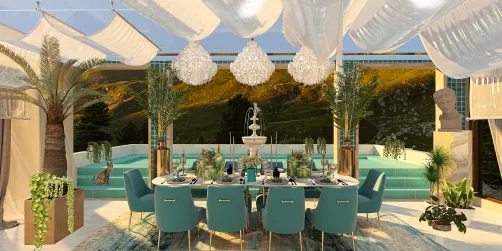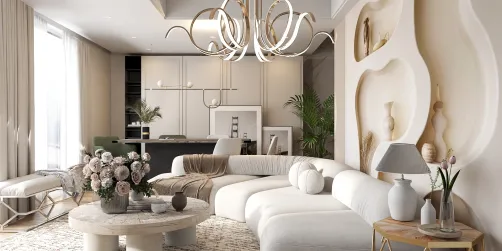
Basavanagudi is known for its vibrant atmosphere, offering a delightful array of party halls that are nestled within its historic streets and popular dining spots. When searching for the ideal venue, I seek spaces that seamlessly combine versatile layouts with excellent acoustics and smooth guest movement; after all, thoughtful design enhances the quality of any event. Research from Steelcase indicates that environments with well-defined circulation and a focus on human ergonomics can enhance comfort and alleviate stress during gatherings. These principles, when applied to party halls, can undoubtedly elevate your celebration experience. Additionally, the WELL v2 standards suggest aiming for ambient noise levels around 40–45 dBA to ensure conversation comfort, a crucial factor when assessing acoustic quality for speeches and live performances in venues like those found through Homestyler.
What distinguishes a premier party hall in Basavanagudi?
Key aspects such as capacity, location, and layout are essential. I carefully consider ceiling height (a minimum of 10–12 feet helps to minimize sound reverberation), spacing between columns (critical for unobstructed views), and routes for service access, allowing catering teams to operate without disrupting the main event. For color schemes, opting for warmer neutrals accented with muted tones tends to enhance guest appearances in photographs. According to Verywell Mind’s insights on color psychology, incorporating shades of red and orange can boost energy and social interaction when balanced with calming neutrals. When it comes to lighting, I adhere to IES guidelines, suggesting 200–300 lux for dining, 300–500 lux for cake presentations, and adjustable lighting zones to adapt the mood as the evening unfolds. When managing complex floor plans, tools available on Homestyler can simulate seating arrangements and DJ configurations in no time.
Criteria for shortlisting venues in Basavanagudi
I typically focus on venues located along main roads to facilitate parking and accessibility for late-night departures. Key factors for my selection include: adjustable lighting with warm-white fixtures ranging from 2700K to 3500K, acoustic treatments or soft furnishings to keep reverberation time (RT60) within 0.7–1.0 seconds to ensure clear communication, and at least two breakout areas designated for photo opportunities or children’s activities. From my recent projects, venues that separate preparation kitchens from entry lobbies particularly help in reducing unwanted smells and noise disturbance, thus preserving a celebratory ambiance. Research correlating environmental control by Steelcase highlights that spaces allowing occupants to adjust settings generally yield higher satisfaction and wellbeing. I also check for generator placement, as backup power sources positioned near entrances may detract from conversational enjoyment.
The significance of lighting and AV equipment
Using dimmable LED tracks enables a focused spotlight on the stage while maintaining softer, more flattering illumination for dining areas. To reduce glare, implementing wide-beam optics with shielding angles above 30 degrees is advisable. For speeches, I recommend utilizing a cardioid microphone along with directional speakers positioned strategically to avoid echo from hard surfaces. Placing the DJ on the room’s shorter side minimizes echo accumulation, while soft seating can be positioned across from this area to absorb excess sound. Should the hall feature high ceilings, incorporating fabric baffles or a temporary drape grid can be a quick and effective solution.
Optimizing layout and guest flow
Consider the logistics as choreography: place the welcome desk close to the entrance, situate gift drop areas away from high-traffic zones, and ensure the photo backdrop is visible from the dining area to encourage engagement. For a banquet accommodating 200–250 guests, a 1:1.2 table-to-aisle ratio effectively supports smooth transitions between service areas, seating, and the stage. Maintaining at least 6 feet clear for service pathways behind primary tables is crucial. To refine the plan and identify bottlenecks, I prefer to utilize Homestyler’s interior layout planner to run through two or three scenarios before finalizing vendor arrangements.
Choosing decor, materials, and budget-friendly alternatives
Incorporate layered textures such as linen runners, arcs of foliage, and matte metallic elements to create a rich visual experience without overwhelming the senses. Sustainable choices are also essential; utilizing rental backdrops, eco-friendly floral arrangements, and LED candles minimize waste and energy consumption. If glossy granite floors are present, consider laying down area rugs near the stage to mitigate glare in photos and absorb sound. It’s beneficial to start with neutral decor that photographs beautifully across skin tones and then introduce color accents through floral arrangements or lighting gels, allowing for easy mood adjustments without necessitating a complete repaint of the venue.
Ensuring comfort, accessibility, and human considerations
To encourage guests to linger longer, prioritize comfort. Select chairs that provide adequate lumbar support for extended events; adhering to basic ergonomic standards suggests ensuring that seated elbow height aligns with table height for easier dining. Create a quiet area for elderly guests and small children, distanced from loud noise sources like subwoofers. Additionally, positioning wayfinding signs at eye level (50–60 inches) helps minimize confusion. If the venue spans multiple levels, verify lift capacities and access routes to avoid delays during the event.
Target neighborhoods in Basavanagudi
Consider locations near Gandhi Bazaar, which offers a mix of historic appeal and accessible amenities, as well as major thoroughfares that may enhance late-night travel. The closeness of parking facilities and ride-share drop-offs takes precedence over minor discounts. For morning events, selecting venues that bask in the soft glow of eastern sunlight can create stunning photography opportunities while saving on lighting costs.
Streamlining catering and service management
To avoid cross-traffic, design buffet layouts with split lines and position starter stations at least 15 feet away from main dishes. Efficiently coordinate plate-clearing paths to avoid congesting the stage and photo areas. Having a satellite prep table backstage allows the emcee and couple to handle any last-minute changes smoothly.
Budget considerations and optimal spending
Most party venues in Basavanagudi typically set prices based on session length and capacity. I recommend allocating a significant portion of the overall budget to lighting and audio-visual systems—these elements profoundly impact both guest experiences and media outcomes. Furthermore, negotiating for sound checks and basic drapery is often more cost-effective through the venue rather than securing these elements separately.
Booking insights and vendor coordination
Experience the venue during event hours to observe traffic patterns, noise levels, and the responsiveness of the staff. Ensure backup power options and confirm ceiling rigging permissions while also being informed of any sound limitations. Coordinate with your decorator and photographer according to the hall’s load-in timeline to uphold your schedule.
Frequently Asked Questions (FAQ)
Q1: What capacity should I consider for halls in Basavanagudi?
A: For seated dinners, plan for approximately 10–12 square feet per guest. For an event with 200 guests, roughly 2,000–2,400 square feet will be necessary, in addition to space for stages and buffets. It’s wise to walk through the venue to assess column placements and sightlines.
Q2: What is the optimal lighting for ceremonies and dining?
A: Aim for 300–500 lux on stage during ceremonies and about 200–300 lux for ambient dining light. Utilize warm-white LEDs (2700K–3500K) for an attractive appearance and include dimmers to adjust lighting based on program needs throughout the event.
Q3: How can I manage noise during speeches effectively?
A: Strive to maintain ambient noise levels near 40–45 dBA as recommended by WELL standards. Reducing reverberation can be achieved with soft finishes or temporary fabric baffles, and positioning speakers toward the audience rather than hard wall surfaces is crucial for clear sound.
Q4: What layout prevents buffet congestion?
A: The best approach includes creating mirrored buffet lines with 6–8 feet of clearance for approach. Consider seating arrangements for seniors and families to provide distance from busy service paths, minimizing disruptions.
Q5: Which colors are most effective for party decorations?
A: Starting with warm neutral tones and accenting with carefully controlled pops of red or orange can foster energy while preserving a serene atmosphere. Balancing bold color choices with matte finishes will help avoid glare in photographs.
Q6: What accessibility checks should I perform before booking?
A: Verify lift accessibility, ramp slopes, restroom proximity, and spacing between seating areas for mobility support. Ensure service routes allow for the safe movement of equipment by checking door widths in advance.
Q7: How early should I confirm vendor bookings?
A: For weekend bookings, secure the venue 8–12 weeks ahead and align your decorator, AV provider, and catering services within a week of the initial reservation. Sharing your floor plan will allow all vendors to coordinate their load-in and power requirements effectively.
Q8: What essential AV components should the venue provide?
A: Look for venues that guarantee reliable power backups, dimmable lighting options, basic stage risers, and at least one cardioid microphone with a mixer setup. Additionally, it’s wise to request ceiling points or truss systems for safe decor installations.
Q9: How can I quickly assess acoustics?
A: A simple test is to clap at various locations to gauge echo. Factors such as ceiling height and the presence of soft materials—like curtains or upholstered seating—play a vital role. If the room sounds alive, consider using temporary drapes on hard surfaces and additional rugs near the stage to soften sound.
Q10: Can layout simulation tools really save time?
A: Absolutely. Utilizing a layout simulation tool allows you to experiment with guest movements, seating density, and DJ positions prior to the event, reducing the chances of last-minute adjustments on the big day. This is particularly beneficial in venues with non-traditional shapes.
Homestyler is the ultimate online home design platform for anyone looking to create their dream space. With an easy-to-use design tool, stunning 3D renderings, diverse design projects, and helpful video tutorials, transforming your ideas into reality has never been more simple and enjoyable!