A client once requested a kitchen that resembled a cupcake shop yet did not attract ants—challenge accepted! I sketched ideas, explored various fabrics, and discovered that too many patterns can make a compact space feel chaotic; typically, a single whimsical element works best.
I find that small kitchens inspire immense creativity, so I want to share five charming kitchen theme concepts I've implemented, along with practical tips. A smart first step is utilizing a visualization tool like Homestyler to quickly preview layouts before making paint commitments.
1. Soft Pastel Minimalism
I frequently suggest a palette of gentle pastels—such as mint, blush, and powder blue—complemented by sleek white cabinetry. The outcome feels refreshing and adorable without overwhelming the senses; however, lighter hues can easily show stains, so opt for washable materials.
Budget tip: Consider painting less expensive cabinet doors and updating hardware for a significant improvement that won't strain your finances.
2. Vintage Tea-Room Aesthetic
Imagine floral tiles, open shelving decorated with eclectic crockery, and a charming brass lamp. I used this design in a rental space; tenants adored it, but be aware that open shelving requires regular tidying—this charm comes at a cost of upkeep.
For budget-conscious homeowners, try blending one vintage item with modern essentials to find a balance between cost and maintenance.
save pin
3. Fun Pattern Focus
Incorporate a single patterned backsplash or a playful accent island so the area remains attractive without being overwhelming. I often sketch various designs and plan my kitchen around that focal point—strategic placement is crucial for both flow and cleaning.
Patterns can inject character into a space but may fall out of fashion quickly, so select a design that you will continue to enjoy in the years to come.
save pin
4. Lively Botanical Space
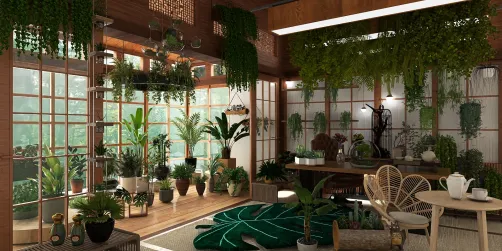
Small hanging planters, herb racks by the window, and natural wood finishes create a vibrant and cozy kitchen atmosphere. In one compact apartment I designed, adding plants enhanced storage solutions since we utilized vertical space for pots.
Keep in mind that plants require light and care—if sunlight is scarce, select low-light varieties or use faux plants that still provide a delightful look.
save pin
5. Inviting Cottage Style
Cottage aesthetics blend beadboard, warm lighting, and cozy textiles—ideal for a kitchen that doubles as a social hub. I've implemented under-cabinet lighting and a snug banquette to maximize comfort in smaller areas; you can even experiment with realistic layouts using Homestyler before investing in built-ins.
This design is inviting, but avoid clutter by curating keepsakes and rotating seasonal decor to maintain a fresh atmosphere.
save pin
Frequently Asked Questions
Q1: What defines a "cute" kitchen?
A defined focal point, harmonious color combinations, and select decorative items—cuteness comes from charm rather than clutter. Functional finishes ensure practicality.
Q2: Which color schemes are most effective in small kitchens?
Gentle pastels, warm neutrals, and two-tone combinations (lighter upper cabinets, darker lower ones) visually enhance space while preserving a playful atmosphere.
Q3: How can I maintain a cute kitchen easily?
Opt for washable wall paints, durable countertops, and limit open shelving to essentials. I continually recommend easy-to-clean grout and a reliable hood fan for convenience.
Q4: Are cute themes applicable in rental properties?
Absolutely—prioritize removable elements: peel-and-stick backsplashes, new cabinet knobs, and temporary textiles can enhance aesthetics while keeping landlords content.
Q5: Is it costly to design a cute kitchen?
Not necessarily; small, targeted updates—like paint, hardware, and lighting—can dramatically enhance a space on a budget. I often repurpose or upcycle items to stretch the financial limits.
Q6: How crucial is layout for a small, themed kitchen?
Layout is very important—the principles of the work triangle still apply, and thoughtful arrangement of appliances and prep zones helps maintain usability within the theme. If you're uncertain, sketch out multiple designs first.
Q7: Are there design principles I should stick to?
Adhere to principles of proportion, balance, and lighting, but feel free to express individuality. The National Kitchen & Bath Association (NKBA) emphasizes that effective workflow and safety should always be priorities in kitchen design.
Q8: Where can I visualize examples or prototype my concepts?
I suggest utilizing online design tools like Homestyler to test colors and layouts prior to purchase; seeing a 3D mockup often saves time and money in the long run.
Homestyler is an incredible online home design platform that empowers you to create stunning spaces effortlessly. With its user-friendly design tool, realistic 3D renderings, and a wealth of DIY video tutorials, you can easily transform your home design ideas into reality. Explore, design, and inspire!



























![[♥️♥️]](https://hs-designs.homestyler.com/production/design/images/2025-12-21/00ce621d-f39a-433f-b8bf-2f6258068b7a/1766281859081/9484069.jpg?x-oss-process=image/resize,w_502,m_mfit/format,webp)