[Section: Introduction]
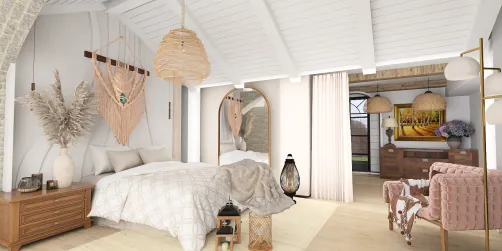
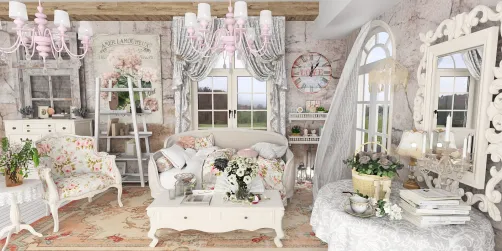
As an interior designer attuned to contemporary trends, I've observed the delightful fusion of playful themes with sustainable materials, leading to spaces that are both whimsical and timeless. In crafting a princess bedroom today, the goal is to blend creativity with functionality, inspiring imaginative designs even in small areas. This article will present five captivating design inspirations for creating a princess bedroom that reflect my hands-on experience, expert insights, and practical budgeting advice. Yes, sometimes incorporating wooden elements adds warmth and charm.
[Section: Inspirations]
1. Soft Pastel Color Palette with Accent Gold
My Take
Initiating a princess-themed room with a well-chosen color scheme is essential; it essentializes the ambiance. I once converted a compact city bedroom into a serene retreat using gentle blush, mint, and soft lavender hues as foundational colors.
Pros
Using pastel shades makes smaller spaces feel more open and airy, promoting a peaceful atmosphere for sleep, as they reflect light and enhance sightlines. Incorporating subtle gold accents provides a luxurious feel without overwhelming the space, which is particularly useful for those seeking budget-friendly ideas for decorating a princess bedroom.
Cons
However, an excessive use of pastels can become cliché; too many pink tones and frills may detract from the overall design. I've had clients who initially wanted fully pink walls later opt for a more restrained approach, so I generally encourage moderation.
Tips
Consider painting one wall as an accent and using removable wallpaper or decals to add character. Cost-effective accent pieces like metallic knobs, mirror frames, or curtain tiebacks can introduce that princess sparkle to the design.
save pin
2. Canopy or Draped Bed for Instant Fairytale
My Take
Canopies work like magic — during one renovation, I installed a lightweight canopy for under $120, instantly transforming the room into a magical space. I prefer airy, semi-sheer fabrics that enhance the softness of the room while allowing natural light to filter through.
Pros
A canopy becomes a striking focal point and complements various storage solutions in small princess bedrooms by distinctly defining the sleeping area. It also provides a cozy nook for reading and relaxation.
Cons
Keep in mind that canopies can accumulate dust and require occasional cleaning; some parents express concerns that they might feel confining. I always recommend installation methods that allow for easy removal when necessary.
Case
DIY: install a hoop from the ceiling with removable anchors and drape a lightweight voile fabric. For younger children, it's best to secure ties and avoid heavy materials that could pose a hazard.
save pin
3. Integrated Storage: Dressers, Toy Zones, and Hidden Drawers
My Take
I’ve realized that effective storage is crucial when designing themed rooms; a beautifully decorated space without storage for toys won’t endure. I once designed built-in drawers under a bed alongside a low dresser that served as a seating bench, making the family’s morning routines much smoother.
Pros
Integrating smart storage solutions enables you to explore practical ideas for princess bedroom storage, keeping surfaces tidy and organized. Thoughtful storage keeps the themed design intact while minimizing clutter, and using labeled baskets and pull-out drawers eases cleanup, especially for toddlers learning about independence.
Cons
Although built-ins are wonderful, they tend to be more expensive and less adaptable if you need to relocate. A balanced approach often involves combining freestanding modular pieces with one permanent unit for enduring functionality within budget.
Tips
Carefully measure and plan for pull-out drawers that align with the mattress height. Comfortable bench tops with lift-up storage can serve as surprisingly affordable ways to maximize hidden space.
save pin
4. Layered Lighting: Chandeliers, Night Lights, and Task Lamps
My Take
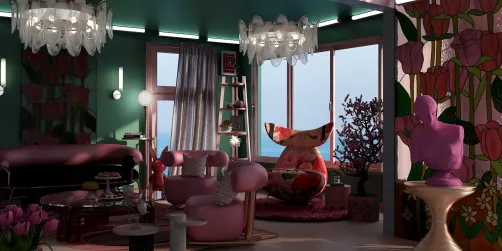
The importance of lighting cannot be overstated when establishing a fairytale ambiance; I once installed a small crystal chandelier in a client's bedroom and replaced a harsh overhead fixture with a dimmable option. The transformation made a remarkable difference during bedtime routines.
Pros
Layered lighting supports various activities: chandeliers provide charm, task lamps assist with homework, and soft night lights facilitate smoother sleep transitions. As the National Sleep Foundation suggests, minimizing blue light exposure before bed can improve sleep quality, making warm-toned bedside lighting a great choice for calmer nights.
Cons
Too many decorative lighting options can clutter the ceiling and increase maintenance needs. In a previous project, we learned the hard way when a heavy fixture required additional support; it's vital to consider weight limits and install fixtures correctly.
Tips
Opt for warm white LED bulbs (2700K–3000K) for bedside and accent lamps. Incorporating a dimmer switch for overhead lighting enhances coziness during storytime and supports a sleep-friendly atmosphere.
save pin
5. Playful Details: Decals, Mirrors, and Multi-Use Play Corners
My Take
Small design elements are where personality truly shines. I urge clients to select a few standout pieces — such as a princess mural, a custom mirror, or a play area that doubles as a study nook. One of my favorite transformations involved using wall decals and a compact teepee to craft a reading nook that’s also picture-perfect for social media.
Pros
Decals and removable features allow for easy room refreshes as tastes change, making them ideal for families unsure about permanent designs. For those exploring ideas on how to fashion a princess bedroom for a toddler or tween, flexible and cost-effective options abound.
Cons
However, too many small accessories can create a chaotic look; I recommend limiting the number of different patterns to two while repeating a color for cohesion. Additionally, high-gloss finishes on certain mirrors might show fingerprints, so keeping cleaning supplies nearby is wise.
Tips
Design a multifunctional area with a small table, pouf seating, and a modular shelf. For a quick budget refresh, seasonal swaps of textiles like cushions, throws, and layered rugs can add richness without a complete overhaul. If you want to visualize various layouts, consider using design tools like Homestyler to create detailed mockups and test theme ideas in 3D.
[Section: Summary]
Creating a princess bedroom isn't solely about extravagant decor or substantial budgeting; it revolves around making smart choices that align with your lifestyle and spatial constraints. Small bedrooms prompt resourceful designs — be strategic with paint, layer your lighting, emphasize storage, and include playful features that can evolve as tastes change. By blending these five inspirations with child-friendly materials and sleep-conscious lighting solutions, you can achieve an enchanting yet practical space for years to come. Which of these creative ideas are you excited to try first while decorating a princess bedroom?
[Section: FAQ]
save pin
FAQ
1. What is the best color scheme for decorating a princess bedroom?
An effective color scheme combines soft base tones (think pastels like blush, lavender, or mint) with an accent color or metallic highlights. This balance maintains serenity while allowing for personality through various accessories.
2. How can I maximize storage when decorating a princess bedroom in a small room?
Incorporate under-bed drawers, built-in shelving, and multifunctional furniture, such as benches with lift-top storage. Use labeled baskets and limit open play zones to maintain an orderly appearance.
3. Are canopies safe for young children?
Canopies can be safe if secured properly and made from lightweight, breathable materials; avoid heavier drapes and ensure mounts are out of reach. It’s wise to check local safety standards for ceiling fixtures and curtain hangings.
4. How do I choose lighting when decorating a princess bedroom?
Aim for layered lighting, utilizing a warm-toned central fixture, dimmable bedside lamps, and a soft night light to ease transitions. The National Sleep Foundation advises minimizing blue light before bedtime to enhance sleep quality.
5. What's an affordable way to add princess details without a big budget?
Incorporate decals, switchable wallpaper, new knobs, and textiles for easy updates. Simple changes in cushions, rugs, and curtain ties can considerably shift the overall theme with minimal cost.
6. How often should I update a themed princess bedroom?
Children's preferences shift approximately every 1–3 years; it’s wise to establish a versatile foundational design and utilize removable accents for easy updates without extensive renovations. This approach keeps the space relevant and reduces waste.
7. Can I mix modern furniture with princess decor?
Definitely — blending clean-lined, modern furniture with soft, whimsical decor creates a balanced and mature take on a princess room that evolves with the child. Select one primary style and layer the other appropriately to avoid visual discord.
8. Where can I find layout and visualization help for a princess bedroom?
Many online tools and designer resources allow users to create 3D previews and plan storage effectively; utilizing visualization tools can help prevent costly errors and test ideas before making purchases. For hands-on layout previews, resources like Homestyler are highly recommended to assist in making informed spatial decisions.
save pin
Homestyler is your go-to online home design platform, perfect for turning your creative visions into reality. With its easy-to-use design tool, stunning 3D renderings, and a wealth of DIY video tutorials, you'll effortlessly explore and create beautiful spaces—no design experience needed!