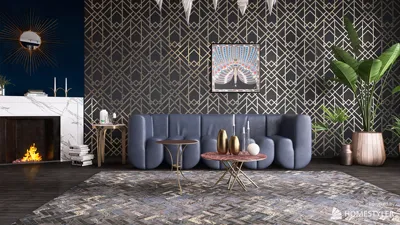


Once, I painted a client’s bedroom in a striking neon coral, believing it would bring joy to her mornings. We quickly discovered, however, that joy doesn’t equate to restfulness. This amusing miscalculation taught me to approach bedroom colors like a recipe for mood: a few drops of warmth, a touch of tranquility, and certainly avoiding neon in the late hours. Small bedrooms provide the perfect canvas for color experimentation, as their limitations inspire creativity and allow you to create a peaceful haven through thoughtful color selection.
1. Soft Neutrals with a Warm Accent
I typically start with soft neutrals—warm beiges or greiges—then introduce a muted terracotta or dusty rose as an accent. This neutral foundation helps maintain a calm ambiance and gives the illusion of a larger space, while the warm accent infuses coziness and a slight feminine touch. It's an affordable and low-stakes approach, but be wary of excessive beige, which can feel dull; instead, incorporate texture with linen bedding or a woven rug to prevent a flat appearance. For visualizing your color scheme, consider using a room planner like Homestyler to experiment with combinations in a virtual setup.
save pin
2. Cool Blues for Deep Rest
Blue is a timeless choice in Feng Shui for fostering serenity and improving sleep. For my small-bedroom designs, I opt for muted, dusty blues rather than vibrant cyan; they create a soothing effect without feeling chilly. The downside is that a deep blue can make a tiny space appear even smaller, so I balance this with white trim or reflective features like mirrors. A useful tip: position your bed so that the headboard contrasts with the blue wall to establish visual stability and a sense of security.
save pin
3. Earthy Greens to Connect with Nature
Green symbolizes growth and balance; soft shades like pale sage or olive are ideal for compact areas because they are perceived as gentle and natural. I once painted a studio in sage, and the occupant reported improved sleep within a week—possibly due to the color’s calming effect. The key challenge is ensuring the color palette stays cohesive: combine green walls with natural wood accents and limit the use of cool metals, or else the room might lose its grounded essence.
save pin
4. Romantic Muted Pinks for Relationship Energy
To enhance a room’s romantic energy, muted pinks—such as blush or mauve—offer subtle sophistication. These colors can add warmth and intimacy without being overly sweet. In smaller spaces, apply pink to a single focal wall or through textiles to avoid overwhelming the environment. I once went a little overboard with blush in a couple's bedroom and had to redo it; now, I always test paint samples at various times of day before making a final decision.
save pin
5. Layered Lighting with Contrast Colors
The effectiveness of colors is heavily influenced by the lighting they receive. That's why I prioritize designing layered lighting schemes—ambient, task, and accent—to ensure colors are perceived correctly day and night. Introduce contrasting colors through decorative elements like pillows and throws to enrich the space's depth. This technique applies to any primary color scheme, but requires thoughtful planning: different lighting can alter how paint colors appear, so opt for bulbs that simulate daylight for accurate color sampling. For efficient layout and lighting design, using a 3D floor planner, such as Homestyler, can be extremely beneficial in forecasting how colors interact with light.
save pin
FAQ
Q: What are the best Feng Shui bedroom colors for sleep?
A: Muted blues, soft neutrals, and sage greens are excellent choices as they encourage a peaceful atmosphere and balance. Keep the saturation low to prevent overstimulation.
Q: Can bright colors work in a bedroom?
A: Certainly, but use them as accents; bright shades can enliven a space but might disrupt restful sleep if overapplied.
Q: How do I choose the right shade for a small bedroom?
A: Opt for lighter, desaturated tones to visually enlarge the room, and incorporate texture and contrast for depth while avoiding a crowded palette.
Q: Is it okay to mix warm and cool tones?
A: Yes, blending muted warm and cool shades (like greige with sage or dusty blue with warm wood) creates harmony if you maintain balanced saturation.
Q: How important is lighting when picking paint?
A: Extremely crucial. Always test paint swatches under different lighting conditions in your room, and consider layered lighting to manipulate color perception at various times.
Q: Can Feng Shui colors improve relationships?
A: Shades like blush and warm neutrals can subtly shift moods and enhance intimacy, but they should be considered within a broader framework that includes layout and individual habits.
Q: Where can I find tools to visualize bedroom colors in 3D?
A: Utilize a 3D floor planner like Homestyler to create mock-ups of color schemes and lighting, allowing you to assess the actual effects before painting.
Q: Are there authoritative sources on color psychology and sleep?
A: Yes, research on color impacts on circadian rhythms is detailed in various studies; for example, the National Sleep Foundation elaborates on how bedroom environments can affect sleep quality (https://www.sleepfoundation.org/).
save pin
Looking to transform your home design ideas into reality? Homestyler is the ultimate online platform for you! With its user-friendly design tool, stunning 3D renderings, and a wealth of DIY video tutorials, creating your dream space has never been easier. Get inspired today!
Design Now for FREE
































