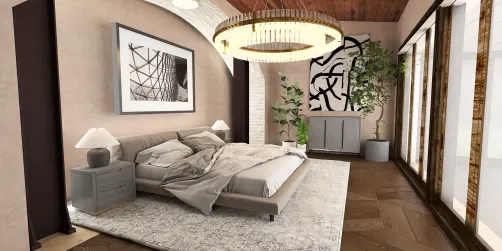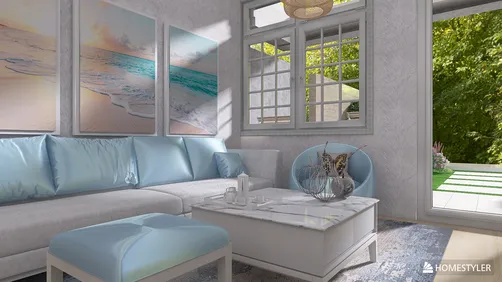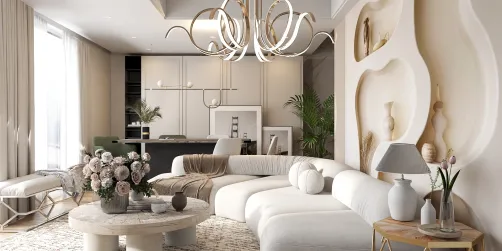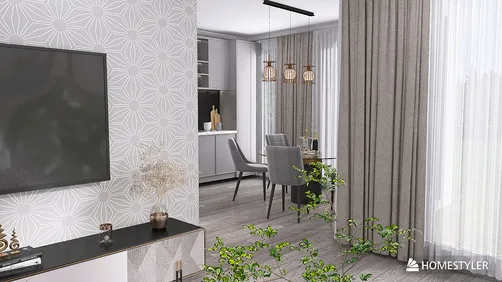
The integration of automation into interior design is transforming the methods we employ to create and visualize our environments. Incorporating cutting-edge technologies like artificial intelligence, virtual reality, and smart home systems enables designers to boost both efficiency and creativity. Imagine a space where the illumination adjusts automatically in relation to the time of day or where furniture layouts can be experienced in real-time. This evolution not only simplifies the design workflow but also facilitates a more tailored experience for clients, thanks in part to tools like Homestyler that allow for seamless design interaction.
Advantages of Automated Interior Design
A primary advantage of automation in interior design lies in enhanced efficiency. Designers can leverage resources such as floor planners and 2D creation tools to rapidly compose layouts. Additionally, these technologies permit straightforward adjustments, making it easier to cater designs to client specifications. Automation also aids in managing projects, ensuring adherence to deadlines and budget constraints.
Innovations Reshaping the Interior Design Landscape
Various advancements, from smart home solutions to augmented reality innovations, are redefining the future of interior design. For example, smart home technologies can manage lighting, climate control, and security systems, thereby augmenting both practicality and comfort within designed areas. Moreover, augmented reality provides clients with the ability to see proposed designs in their actual spaces before any physical alterations occur, a feature that is increasingly accessible through platforms like Homestyler.
Obstacles and Factors to Consider
Despite the considerable benefits, the rise of automation in interior design brings its own set of challenges. Designers must remain current with emerging technologies and tools, necessitating ongoing education and flexibility. Moreover, striking a balance between automation and personal interaction is vital; some clients may prefer a less automated approach. Grasping individual tastes is essential for achieving successful design outcomes.
Frequently Asked Questions
How does AI contribute to interior design? AI plays a critical role by helping create personalized design options that align with client styles and prevailing trends.
In what ways can automation enhance communication with clients? Automation tools streamline the communication process, keeping clients informed with real-time updates and visualizations of their projects.