Artificial Intelligence (AI) is transforming numerous industries, and its impact on 3D design is particularly noteworthy. The capability of AI to produce 3D models marks a remarkable shift in how designers, architects, and enthusiasts execute their visions. In this article, we will delve into the ways AI facilitates the creation of 3D models, the underlying technologies, and the future implications for design. AI algorithms are increasingly employed to assess current designs and identify patterns, enabling them to generate new models based on learned information. This methodology often utilizes machine learning, where software draws from a vast selection of existing 3D models to recognize common shapes, styles, and functionalities. By harnessing neural networks, AI can create intricate geometric forms that are then translated into detailed 3D models.
One of the most exciting features of AI-generated 3D models is the rapidity of their creation. Traditional modeling processes can require hours or even days, depending on design complexity. However, AI significantly accelerates this timeline, allowing designers to quickly iterate on their ideas. This speed is particularly advantageous in the preliminary phases of a project when exploring multiple concepts is essential. Furthermore, AI can aid in producing unique designs that human designers may not envision. By integrating various design elements and aesthetics, AI can propose innovative solutions that challenge creative limits. This advancement paves the way for fresh opportunities in interior design, architecture, and other areas reliant on 3D modeling.
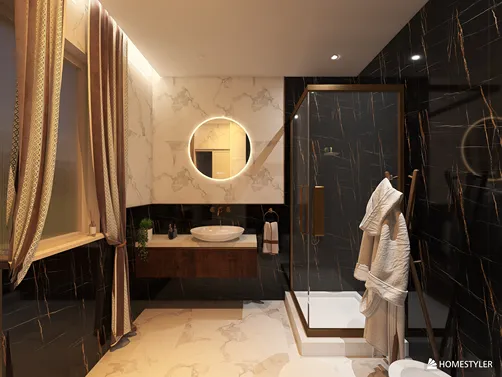
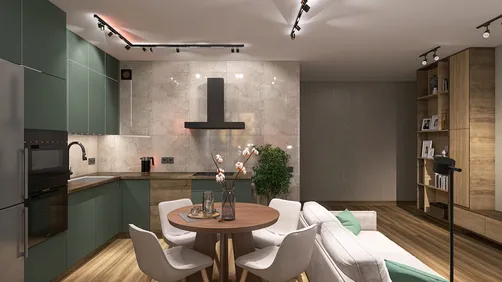
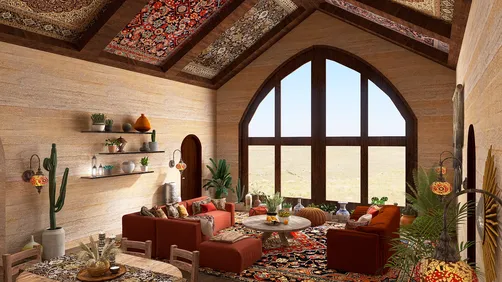
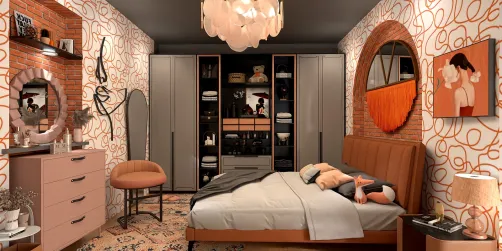
Today’s AI tools can offer functionalities such as automatic layout suggestions, furniture arrangement, and even color coordination based on user preferences. For instance, platforms like Homestyler provide an extensive library of furniture models and design inspirations, empowering users to utilize AI’s capabilities to effortlessly craft their ideal spaces. Besides model generation, AI can significantly enhance the rendering process, yielding high-quality visuals that represent how a space will appear. This feature is especially beneficial for presentations or marketing, where effectively showcasing a design is essential. As we look ahead, the fusion of AI and 3D modeling is set to inspire more intuitive design platforms, simplifying the process for both amateurs and seasoned professionals to realize their creative visions. By democratizing access to advanced design tools, AI is ushering in a new age of creativity in 3D modeling, where anyone can step into the role of a designer.
In summary, AI’s capacity to generate 3D models significantly alters the landscape of design. It not only accelerates the design process but also facilitates innovative solutions and creative opportunities. As technology advances, we can expect even more thrilling developments in this realm. Whether you are an experienced designer or a passionate novice, incorporating AI into your design workflow can boost your creativity and efficiency.
Tips 1:
To maximize AI in your design endeavors, consider exploring various software that integrates AI functionalities, such as Homestyler, which offers an intuitive interface and extensive modeling capabilities.
FAQ
Q: Can anyone utilize AI to create 3D models? A: Absolutely! Many accessible platforms cater to both hobbyists and professionals in generating 3D models using AI.
Q: What does the future hold for AI in 3D design? A: The outlook is bright, with anticipated advancements set to enhance accessibility and innovation in design.
Welcome to Homestyler!