室內設計師解決方案
品牌方與電商解決方案
房地產解決方案
學校解決方案
業主解決方案
設計
可視化
服務
社区
发现无穷无尽的设计灵感
比赛
加入挑战并展示您的才华
素材市场
探索海量的创意模板和模型
AIDA大奖赛
参与比赛赢取大奖
Homestyler Lab
Let your creativity flow
教程
分步说明和有用的提示
帮助中心
寻找详细的文案和支持
论坛
讨论和分享有关设计的想法
新人训练营
从头开始建造您的第一栋房子并可获得证书和礼物!
房间训练营
掌握5个房间设计,获得3000币 + 证书!
四口之家实战训练营
与现实生活项目练习,赚取证书礼物!
全能工作区:使用集成化的 AI 工具进行创作
室内设计Agent:对话即设计
户型图生成:一键自动生成平面户型图
图生图:任意空间,一切风格由你设计
图片转视频:将任意图片变成动态视频
图生情绪版:将任何图片转化为情绪板
图片/文本生3D模型:将任意图片转换成3D模型
图生材质:将任何图片转化为材质
让你的照片秒变艺术作品
更多内容即将到来
瓷砖和地板组合创意
✨ 奢华
Art&Decor
AreaRugs
Spa
indian
Elephant
Asian
setdesign
ArchitectureHistory
harem
MughalEmpire
TurkishBath
Hammam
PublicBath
Zen Pro
Detalles de Diseño Acogedores
0 設計數
0 獲贊數
L’automne orangé 😃
Комната для двух принцесс
🫶🏼
Bohemian Inspired Bathroom
E. P. I
Évasion au crépuscule
Peranakan style
Kitchen set
【System Auto-save】Untitled
kotłownia przy kuchni
Caribbean Colonial Georgian House
pilates studio
Autumn Porch: Cozy & Elegant Living
Yellow Fairy Tale. Imants Ziedonis.
A Room with a View
The Water Village
Богемия ванна
Peranakan
Bare Cement Elegance
Mirror story — Klimova
Eco Brutalist house
lumière d'hiver
ama te stesso e l' ambiente 😻💝😍
Coziness
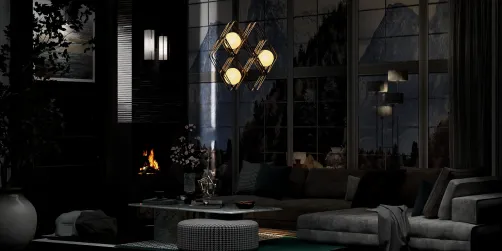
Night in the mountains (Project 4 of 20)
告訴我們關於你的信息,然後前往金幣中心以領取 20 金幣!