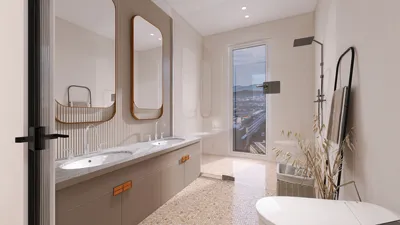


I've recommended yellow kitchen tiles for various settings, ranging from compact urban galley kitchens to expansive family spaces. The right shade of yellow can dramatically influence the atmosphere and functionality of a room. When applied correctly, yellow infuses optimism, enhances perceived natural light, and establishes an engaging environment for cooking and social gatherings—without overwhelming the overall design. Moreover, incorporating tools like Homestyler provides an excellent way to visualize these transformations before implementation.
The benefits of yellow are supported not just by opinion but by empirical research. Studies on color psychology link warm shades, like yellow, to increased energy levels and higher social interaction, aligning well with the behaviors commonly observed in kitchens. For instance, workplace studies indicate that natural light is a crucial factor for well-being, with about 78% of participants in a Steelcase report ranking it as essential for comfort and mood. Furthermore, design standards emphasize the importance of quality lighting—adjustable, glare-free illumination, coupled with reflective surfaces, can enhance health, which aligns with WELL v2 strategies. Strategically placed yellow tiles can further amplify these positive effects by reflecting light and enriching the space's ambiance.
Choosing the Perfect Shade: From Soft Butter to Bright Sunflower
Yellow exists on a vast scale, from delicate cream to bold marigold. In smaller or dimly lit kitchens, I prefer softer shades like butter or straw (with a light reflectance value above 60) to enhance brightness without creating glare. In larger kitchens that enjoy plentiful daylight, deeper hues like ochre or sunflower can stand up to natural light and complement vibrant cabinet colors. It's best to combine these saturated yellows with matte finishes to manage reflections in work zones; glossy tiles should be reserved for accents or splashbacks where a hint of sparkle is desired. Utilizing design tools like Homestyler can help visualize these combinations effectively.
Balancing Light, Glare, and Tile Finish
Effective kitchen lighting should cater to both task-oriented and ambient needs. Under-cabinet task lighting should aim for around 300–500 lux for safe food preparation, while overall ambient lighting should linger between 150–300 lux to create a welcoming environment for social interactions. The reflective quality of yellow tiles, especially lighter shades, aids in achieving an even distribution of light with fewer fixtures, provided that glare is managed. Ensure downlights are positioned correctly to prevent them from causing reflections on glossy tiles, which can be a distraction. Opt for satin or honed finishes behind cooking areas to maintain visual comfort and harmony.
Design Layout: Best Applications for Yellow
I prefer to position yellow tiles in vertical spaces that capture attention and light: full-height backsplashes, around ranges, or the interior surfaces of pass-throughs. In smaller kitchens, a single yellow feature wall behind open shelving can create depth without making the space feel cramped. Exploring various options using an interior layout planner, such as Homestyler, can effectively demonstrate how tile arrangements appear from different angles in open-concept designs.
Tile Sizes and Patterns
- Subways (2x6, 3x12): A timeless and cost-effective solution. Use stack bond for a modern feel, or a classic running bond for a softer appearance.
- Zellige and hand-glazed squares (4x4, 5x5): These offer texture and artistry, effectively breaking up large expanses of yellow with natural variants.
- Small-format mosaics (1x1, hex, penny): Ideal for detailing corners and niches; use a warm white grout to minimize visual distraction.
- Large-format porcelain (12x24, 24x24): These tiles feature fewer grout lines, making vibrant yellows appear more sophisticated than playful.
Complementing Yellow with Cabinets, Countertops, and Metal Fixtures
Yellow complements contrasting colors beautifully, tempering its innate warmth. Light shades of yellow harmonize well with oak, ash, and light walnut, while more vibrant yellows create a stunning contrast against charcoal, indigo, and blackened steel. For countertops, honed white quartz or creamy marble contribute to a fresh palette, while soapstone grounds the brighter tiles. When it comes to hardware and fixtures, brushed brass reflects yellow's warmth, whereas stainless steel provides a lively counterpoint. To maintain visual coherence, limit the number of different metals to three.
The Psychology of Color and Its Influence in the Kitchen
In practical applications, yellow fosters a welcoming atmosphere in spaces where people congregate, such as breakfast nooks, coffee bars, and kitchen islands. Warm hues can enhance the sensation of warmth, a significant advantage in cooler climates and north-facing kitchens. If evening cooking is common in your household, consider how combining yellow tiles with warm lighting (around 2700–3000K) will create a cozy, appetite-inducing environment. Conversely, cooler white lighting (3500–4000K) can enliven soft yellows in well-lit areas.
Considerations for Ergonomics, Cleanliness, and Safety
Kitchens that see a lot of activity require surfaces that can be cleaned quickly without extensive scrubbing. Glazed ceramics tend to resist stains from turmeric, tomato, and coffee better than their unglazed counterparts, while porcelain provides superior durability in high-traffic areas. For cooking lines, specify heat and steam-resistant surfaces, and ensure that slip-resistant tiles (R10–R11 rating) are used on the floors, particularly if you're using yellow tiles below the counter. Utilizing rounded trim pieces on exposed tile edges near seating can enhance the tactile experience.
Enhancing Acoustic Comfort in Tiled Kitchens
Tiles can reflect sound, which, if unmanaged, may lead to an echo-like effect with conversations and kitchen sounds. To mitigate this, incorporate acoustic strategies such as fabric-wrapped pendant lights, cushioned seating, and ceiling panels above islands. Open shelves filled with everyday items can function as natural sound diffusers. If your design includes a substantial yellow tiled wall, consider breaking it up with wooden rails, framed artwork, or textured panels to diffuse sound while keeping the color intact.
Natural Light Factors, Orientation, and Balancing Day and Night
Kitchens that face north can benefit significantly from the warmth that yellow provides. Conversely, those with south and west orientations might experience brightness that becomes uncomfortable during summer afternoons; use microbevel tiles and matte finishes to soften reflections, and consider opting for softer, creamier yellows on the brightest walls. For evening settings, install layered lighting solutions such as under-cabinet task lights, dimmable ceiling fixtures, and small accent lamps to avoid harsh glares bouncing off shiny tiles.
Maximizing Yellow in Compact Kitchens Without Overwhelming the Space
In tight kitchen layouts, it's advisable to restrict yellow to band areas—like a 16–18 inch backsplash—while keeping upper walls in neutral tones with low chroma. Another effective technique is to incorporate yellow within open niches and appliance garages for a pop of color that remains noticeable yet contained. Using a tool like Homestyler can assist in testing sightlines to ensure that yellow is a focal point, rather than overwhelming every corner.
Strategizing Grout: The Essential Details
The color of grout can drastically alter perceptions of the tile layout. Warm white or linen grout calms complex patterns; a color-matched yellow grout creates a seamless appearance, while charcoal grout can emphasize geometric patterns for a more graphic look. When it comes to kitchens, I recommend stain-resistant and easy-clean grout or epoxy for areas around sinks and stoves to prevent discoloration.
Sustainability in Materials and Tile Selection
Choose tiles that contain recycled materials and that have low-VOC adhesive options. A number of porcelain collections include post-industrial recycled content and possess third-party certifications. Opt for energy-efficient LED lighting with accurate color rendering for true yellow hues, and include dimmers for energy savings when the kitchen isn’t in active use.
Installation Tips to Enhance the Appearance
- Ensure tile alignment with counter heights and hood edges to achieve visual balance.
- Apply finished edges like bullnose, Schluter trims, or mitered corners for a polished look.
- Sample tile under your actual lighting; tiles that appear appealing in daylight might feel too intense in the evening hours.
Trendy Real-World Combinations I Frequently Recommend
- Soft butter subway tiles combined with oak slab fronts, brushed brass handles, and honed white quartz countertops.
- A sunflower zellige feature wall complemented by indigo base cabinets, a stainless steel range, and walnut shelves.
- Ochre large-format porcelain backsplash paired with charcoal-colored cabinets, soapstone countertops, and blackened steel hardware.
Maintenance Guidelines for Yellow Surfaces
Utilize pH-neutral cleaning solutions to preserve the integrity of glaze and grout. Promptly wipe spills near cooking areas to minimize staining. Re-seal cement-based grouts as recommended, and keep microfiber cloths handy for nightly touch-ups to maintain the vibrancy of yellow surfaces.
Frequently Asked Questions
Opt for soft butter or straw in shades with high light reflectance (above 60). These tones reflect limited daylight while keeping the space open and glare-free.
Yes, use matte or satin finishes, large-format tiles with minimal grout lines, and combine them with robust materials like soapstone or walnut to create a classic feel.
Adjust fixture angles to prevent glare across surfaces, incorporate dimming options, and utilize satin finishes in work areas. Consider using microbevel tiles to help diffuse light reflections.
For a warm atmosphere during evening cooking, colors around 2700–3000K work perfectly. In spaces with a lot of natural light, 3500–4000K temperatures ensure soft yellows look fresh without becoming overly cool.
Both glazed ceramic and porcelain in yellow are easily maintained with pH-neutral cleaners. Opt for stain-resistant or epoxy grout around cooking and washing areas to reduce discoloration risk.
Focus on vertical zones as focal points, such as walls behind cooking spaces or coffee bars. An interior layout planner can be instrumental in assessing sightlines from adjacent dining or living areas.
If managed carefully, it's possible to use yellow effectively. Concentrate on a backsplash band or niches, and keep surrounding walls light and neutral to maintain volume.
Brushed brass, stainless steel, and blackened steel each bring unique energy. Woods like oak, ash, and walnut provide warmth and add tactile contrast.
Combining varied hues is acceptable as long as undertones remain consistent (either warm or cool). Instead of mixing colors, vary textures—using matte porcelain alongside hand-glazed zellige can add richness without chaos.
Given its composition, porcelain is denser and more durable, which is ideal for areas with high heat and moisture, whereas ceramic tiles offer great color richness and are budget-friendly for vertical spaces.
Warm shades evoke feelings of energy and sociability. When paired with comfortable lighting, yellow creates a vibrant yet welcoming kitchen ambiance.
Using warm white or linen colors can create a calming background, while yellow grout ensures a seamless appearance or charcoal can define patterns more distinctly.
Approach with caution. If yellow is included on the floor, select slip-resistant finishes (R10–R11) and balance with neutral-colored walls and countertops to avoid overwhelming colors.
Let yellow serve as an accent. Choose classic shapes like subway or square tiles, maintain major surfaces in neutral tones, and utilize accessories for seasonal updates.
Discover the ease of home design with Homestyler! This online platform offers a user-friendly design tool, stunning 3D renderings, inspiring design projects, and helpful DIY video tutorials. Perfect for anyone looking to transform their space effortlessly—bring your vision to life today!
立即免费设计
































