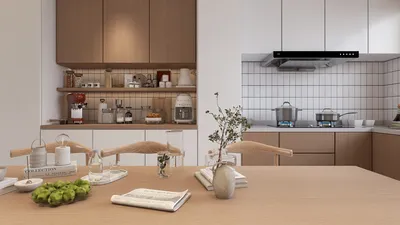


The evolving needs of modern living continue to demand adaptable routines, yet our current homes still lose valuable time to areas of inefficiency, noise, and disorganization. According to the AIA’s 2024 Home Design Trends Survey, there is a persistent craving for flexible, multi-functional interiors, highlighting a transformation in how we approach domestic life. In this context, a 30x30 floor plan can be viewed as a structured grid where movement, natural light, and storage come together, resulting in a more serene environment. The future is rapidly approaching, and I can see its early signs clearly.
a toolkit for spatial reasoning
Perimeter Core: Encompassing Living, Quiet Center
Design Logic: Position bedrooms and wet rooms along two adjacent sides; place a compact utility core at the center. This configuration honors the increasing prevalence of remote work and the need for acoustic privacy while ensuring that services are efficiently clustered.
Flow: Entryway → mud/gear bay → living area surrounding the core → bedrooms on the cooler side → kitchen connecting to dining at a sunlit corner.
Sightlines: Diagonal perspectives extend from the entrance to the windowed dining area, while bedrooms interrupt these lines, much like UI modals, providing layers of privacy.
Storage: Wall-depth pantries, niches along bed walls, and a core-length linen spine act as storage caches with reliable access speeds.
Furniture Fit: A sofa measuring 84", a 60" round table, and queen beds with 30" of clear space on both sides form the standards that prevent layout discrepancies.
Verdict: This ring topology adapts as routines evolve; five years later, it remains effective even under increased digital and acoustic demands.
save pin
Diagonal Daylight Spine
Design Logic: Create a light vector spanning from southeast to northwest, aligning kitchen, dining, and workspace pods along this axis; bedrooms and bathrooms occupy the shadowed corners.
Flow: Entrance → bench for drop-offs → kitchen island serving as a central hub → dining area → flexible workspace → lounge → terrace; utilities branch out like subroutines.
Sightlines: Extended views over the island towards greenery; cross-views altered by partial-height storage create layers similar to UI z-index.
Storage: Towering kitchen units reaching the ceiling, entryway drawers, and a 10' media-wall cache all help to manage clutter before it overwhelms the space.
Furniture Fit: The 30x30 grid accommodates a 9' island, a 9x12 lounge rug, and modular 36" wardrobes—ensuring precision to avoid layout overlaps.
Verdict: The diagonal spine enhances sunlight and mental clarity; it adapts seamlessly as work transitions from physical to digital environments.
save pin
Split-Stack Duo Suite
Design Logic: Two equally sized bedroom suites occupy opposite corners, sharing a compact utility core; the living area is centrally located for neutrality and future co-living possibilities.
Flow: Shared entryway → compact gallery → central lounge → doors to opposite suites → kitchen adjacent to dining, allowing equitable access.
Sightlines: From the sofa, perimeter windows serve as a status overview; suite doors are positioned to avoid direct lines of sight, maintaining private areas.
Storage: Mirrored closets function as symmetric caches, while a shared utility wall with a laundry unit and under-bench bays handle storage efficiency.
Furniture Fit: Standard full or queen beds with 36" of space around, a 72" sofa, and a 48" round dining table maintain consistency throughout the layout.
Verdict: Whether for shared ownership, multi-generational living, or income-sharing arrangements, this design remains fair and adaptable as roles change.
save pin
## Final Thoughts
The concept of a 30x30 floor plan transcends being merely a square layout; it establishes essential guidelines that refine purpose without sacrificing comfort. Variations such as compact two-bedroom setups, micro family units, or work-live hybrids transform this square into various operational designs. The upcoming decade will reward clarity of flow, organized storage disciplines, and furniture that acts as precise interfaces. In my experience, the homes that endure the test of time treat space as an interface—modular, clear-cut, and easily upgradable, much like the innovative Homestyler platform which helps transform and visualize these concepts in real-time.
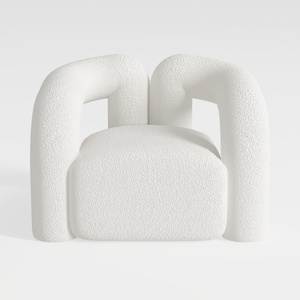
Minimalist Boucle Fabric Armchair Modern Unique Design 3D Model

Minimalist White Solid Wood Bookshelf Open Storage 3D Model

Homestyler is your go-to online home design platform! With its user-friendly design tool, stunning 3D renderings, diverse design projects, and helpful video tutorials, turning your home ideas into reality has never been easier. Discover your perfect space today!
Desain sekarang Gratis
































