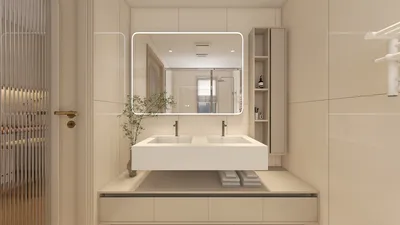


Wooden chairs add warmth, texture, and timeless elegance to a living room. Whether opting for mid-century designs or modern sculptural frames, selecting the right chair can enhance visual balance, improve movement pathways, and establish the ambiance for everyday activities. In my designs, I often incorporate wood seating as a tactile contrast to plush upholstery, creating structure while ensuring comfort. Research by Steelcase suggests that varying seating posture can alleviate strain during prolonged sitting, and incorporating well-angled wooden chairs into lounge areas promotes healthier micro-movements and greater engagement. Additionally, WELL v2 reiterates the importance of ergonomics and posture support as vital components of comfort, highlighting that design decisions should cater to both aesthetics and human needs.
Understanding color and psychology is just as crucial as craftsmanship. According to Verywell Mind, utilizing warm neutrals and earth tones can cultivate a serene environment—especially effective for showcasing materials like oak, walnut, or ash. The porous nature of wood aids in sound absorption, minimizing mid-to-high-frequency noise and softening echoes compared to hard, reflective surfaces. Maintaining a minimum of 30–36 inches of passage around seating respects ergonomic principles, aligning with residential planning standards set by NKBA to minimize tripping hazards and ensure smooth movement throughout the space.
Design Essentials: Scale, Shape, and Spatial Harmony
Begin by selecting chairs proportional to your room’s dimensions. High-back spindle chairs can introduce verticality to lofty spaces, while low-profile lounge chairs can create a more relaxed atmosphere in standard-height rooms. Aim for seat heights ranging from 16–18 inches for lounging and 18–19 inches for guest seating; this range accommodates various body types, making it easier to stand without straining the knees. Armrests should align naturally with the forearms—approximately 8–10 inches above the seat—allowing elbows to rest comfortably and reducing shoulder tension. A slight recline in the backrest (around 100–110 degrees) enhances comfort for reading or conversing.
Material Selection: Wood Types, Finishes, and Eco-Friendliness
Different wood species influence both durability and character. Oak is known for its distinct grain and sturdiness; walnut delivers a rich, dark hue; ash combines strength with a contemporary lightness. In sunlit areas, opt for UV-protective finishes to preserve color integrity over time. Hand-rubbed oil finishes offer a warm, easily maintainable touch, while waterborne polyurethanes ensure durability for family use. When possible, choose FSC-certified woods and low-VOC finishes to enhance indoor air quality and promote sustainability. The choice of materials affects sound quality, light reflection, and perceived warmth—darker woods can create intimate spaces by absorbing light, while lighter woods brighten areas without causing glare.
Prioritizing Ergonomics: Comfort Above All
To support comfort, ensure seat depth is about 17–19 inches, which supports thighs without restricting circulation; complement this with a gentle waterfall edge. A backrest designed to accommodate the natural curvature of the spine—often with a subtle convex shape in the lower third—works well for most users. Seat cushions should use medium-density foam or dense wool felt overlays to provide stability while allowing minor shifts in position. Studies by Herman Miller indicate that variability in posture is essential for comfort and productivity; hence, living room designs should enable multiple sitting positions—upright for chatting, semi-reclined for reading, and perched for quick tasks—by including a variety of armchair styles and side chairs, like those from Homestyler.
Designing Layouts: Flow, Pairings, and Focal Points
Position wooden chairs to encourage social interaction while maintaining clear sightlines. A classic arrangement includes two wooden lounge chairs opening towards a sofa, forming a cozy conversation area. Ensure a distance of 18–24 inches between chairs and coffee tables for comfortable reach. If you're experimenting with room layouts, using a room design tool can be helpful to visualize circulation patterns and seating arrangements before finalizing. Consider floating chairs away from walls to create a more deliberate design, as this also enhances sound distribution since sound won’t reverberate harshly against flat surfaces.
Lighting and Aesthetic Warmth
Wooden furniture complements layered lighting beautifully. Aim for an ambient light level of 200–300 lux in living spaces, supplemented by 300–500 lux of task lighting for reading areas. Warm-white lights (2700–3000K) highlight walnut and cherry finishes, while neutral-white lights (3000–3500K) maintain the clarity of ash and oak. Manage glare by positioning floor lamps so the shades shield the eye level when seated. For accentuating joinery details, a focused beam of light can gracefully illuminate surfaces and showcase texture without causing hotspots.
Styling Guide: From Mid-Century to Contemporary Craftsmanship
Mid-century wooden chairs often feature tapered legs and curved backs, making them ideal for smaller spaces. Scandinavian designs celebrate simplicity and light woods, harmonizing well with minimalist themes. Contemporary craft tends to blend robust timber frames with woven cane and leather components, delivering both comfort and a rich design narrative. In eclectic interiors, contrast a striking wooden chair with a plush sofa to create a balance of structure and softness.
Color Theory and Textile Harmonization
Natural wood tones harmonize beautifully with earthy colors like clay, olive, and oat to foster a tranquil environment. According to Verywell Mind, shades of blue promote stability and focus; pairing a navy cushion with a light ash chair sharpens the aesthetic without feeling cold. Incorporating textured materials—such as bouclé, wool, or linen—can further accentuate wood’s characteristic grain. For those who prefer vibrant touches, it's best to limit intense colors to smaller items like throw pillows, keeping larger wooden surfaces in a state of neutral harmony.
Sound Comfort and Floor Enhancements
Wooden chair legs create sound impact; using a thick area rug under chairs can absorb sounds and minimize reflections. In spaces with hard flooring, felt glides can help to prevent scratches and reduce footsteps noise. Upholstered seats and woven backrests contribute to sound absorption, creating a more pleasant auditory atmosphere during gatherings. The aim is not absolute silence, but rather a comfortable, intelligible sound environment that supports conversation without causing fatigue.
Longevity, Care, and Everyday Usability
Select joinery designed for durability—mortise-and-tenon frames resist distortion, while dowel pins stabilize curved backs. For family-friendly designs, choose finishes that are scratch-resistant and easy to maintain. Keep a mild wood cleaner accessible, and avoid silicone-based products that may cloud the finish. Rotate seat cushions regularly and periodically re-tighten hardware on mixed-material designs to ensure the furniture remains aligned and functional.
Small Living Spaces: Efficient Design Choices
Consider armless occasional chairs with open bases to enhance visual space. Thin, tapered legs promote a sense of breadth, making small areas feel larger. Nesting a lightweight side table between two wooden chairs allows for adaptable hosting while keeping the footprint compact to facilitate movement. If you're exploring various arrangements in confined areas, utilizing an interior layout planner can help visualize different angles and table distances.
Value Considerations and Budgeting
Combine solid wood frames with engineered wood seating surfaces in less visible areas to prioritize investment in key touchpoints like armrests and backs. Explore local artisans for sustainable, repairable options. A high-quality wooden chair not only endures design trends but also maintains its resale value, ensuring long-term value appreciation.
Frequently Asked Questions
For optimal lounge comfort, aim for seat heights of 16–18 inches; for occasional seating, 18–19 inches works best for ease of standing.
Ensure a clearance of 30–36 inches for movement and 18–24 inches from coffee tables for enhanced reachability.
Both oak and ash are renowned for their durability and wear resistance; walnut provides a blend of durability with a sophisticated appearance.
Indeed, textured wood surfaces help to diffuse sound; pairing them with rugs and upholstered elements enhances acoustic comfort further.
Warm-white lighting (2700–3000K) enriches darker wood tones, while neutral-white (3000–3500K) brightens lighter woods like ash and oak.
Utilize a gently reclined backrest (100–110 degrees), a waterfall seat edge, and medium-density cushions or felt overlays for the best seating experience.
Absolutely. Low-VOC waterborne finishes and hardwax oils provide excellent durability while being easier to maintain.
Position two wooden chairs at a slight angle (15–20 degrees) towards a sofa, ensuring open sightlines and tables are easily accessible.
Armrests should typically sit about 8–10 inches above the seat to support elbows and alleviate shoulder stress during long periods of sitting.
Maintain cohesive wood tones while varying shapes; pair a sculptural chair with a plush sofa to achieve an equilibrium between structure and comfort.
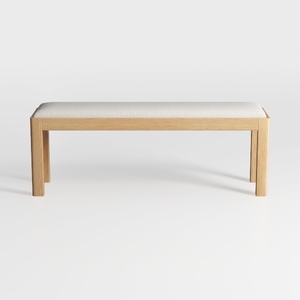

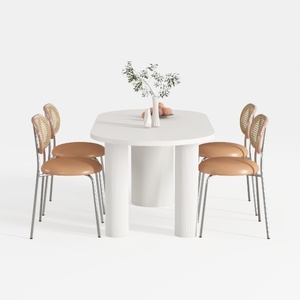
Homestyler is the ultimate online design platform for transforming your home. With its user-friendly design tool, stunning 3D renderings, and abundant DIY video tutorials, you can effortlessly explore and create beautiful spaces, regardless of your design experience. Unleash your creativity today!
Progetta ora GRATIS
































