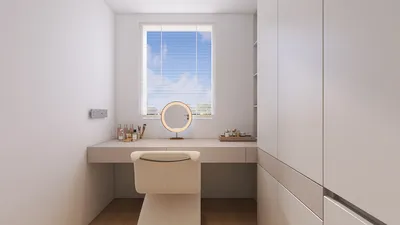


Wooden chairs provide warmth and structure to a drawing room, creating an inviting atmosphere. The choice of silhouette and finish can enhance the area, while factors like seat height, back angle, and arm support significantly impact comfort during lengthy conversations. For living areas where guests stay for 45–90 minutes, ergonomic standards are vital: a seat height between 17 to 19 inches ensures a neutral knee position for most adults, and backrests that recline at 95 to 105 degrees help alleviate lumbar pressure compared to upright designs. The WELL v2 standard emphasizes the importance of ergonomic comfort, urging adjustments that alleviate musculoskeletal strain across various seating types. Research by Steelcase further highlights that changing posture, even slightly shifting on a well-designed chair, can improve blood circulation and comfort during gatherings.
The impact of lighting and color is significant when it comes to the appearance of wooden chairs in a drawing room. The Illuminating Engineering Society (IES) suggests a general lighting level of 100 to 300 lux for living spaces, emphasizing the need for multiple light sources to minimize glare. Practically, this involves a diffuse ceiling light around 2700–3000K combined with wall washers or table lamps to soften the space surrounding the seating. Insights from Verywell Mind on color psychology reveal that warm neutrals, such as beiges and light browns, enhance feelings of comfort and connection, perfectly complementing the ambience that timber chairs can create in a social setting. Merging warm lighting with low-sheen wood finishes reduces glare, allowing for a pleasant visual experience. For more on effective lighting and ergonomic insights, refer to the WELL v2 resources.
Understanding the Role of Wooden Chairs in a Drawing Room
A drawing room centers around hospitality and conversation, with chairs acting as movable architecture that shapes social interactions. Placing two lounge chairs at a slight angle of 15 to 20 degrees around a coffee table encourages dialogue, while a sculptural accent chair near a console creates a visual pause, enticing guests to explore the space. I often place wooden-framed chairs directly opposite a primary sofa to achieve a balanced visual impact; open-frame designs enhance transparency, maintaining sightlines and preventing the area from becoming overcrowded.
Selecting Chair Styles: From Lounge to Occasional
- Lounge chairs: Featuring deeper seats (19–22 inches), soft foam, and slightly reclined backs, they are ideal for extended conversations. If the space is used for reading, consider a headrest or wingback design for neck support.
- Occasional chairs: Their compact size allows for flexible placement, typically armless with straight legs and a mid-height back, making them easy to position near windows or between furniture pieces.
- Slipper chairs: With a lower profile and no arms, they are perfect for areas needing a lighter visual presence; pair with a side table 20–24 inches high for easy access to drinks.
- Captain’s or armchairs: These are beneficial for providing robust arm support for older guests or for creating a more formal posture; ensure the arm height is about 8–10 inches above the seat.
Essential Ergonomics Not to Overlook
Comfort begins with the right proportions. A seat height of 17 to 19 inches and depth of 18 to 20 inches suits most body types. The curvature of the backrest should align with the lower spine rather than forcing it forward; a slight lumbar curve of 4.5 to 6 inches above the seat is suitable for many users. Armchairs should feature a 2-inch soft edge radius to prevent pressure points on the forearms during extended gatherings. These guidelines resonate with ergonomic recommendations commonly found in workplace seating studies, including those from Steelcase that advocate for posture variability.
Material Choices and Finishes: Texture, Shine, and Durability
Select wood types that correspond with usage and lighting conditions. Oak and ash offer a textured, open-grain appearance coupled with strong durability; walnut provides a deeper hue that pairs beautifully with warm lighting at 2700K. If your drawing room enjoys plenty of natural light, consider finishes that include UV protectors to prevent color fading. Matte or satin finishes are preferable, as they conceal minor wear better than gloss. When anticipating frequent movement, prioritize sturdy joinery techniques such as mortise-and-tenon joints combined with corner blocking for added stability.
Understanding Color Psychology and Visual Cohesion
Wood naturally exudes warmth, yet the finish influences its overall feel. Stained walnut can enrich the room's aesthetic; natural ash maintains a bright ambiance. Insights from Verywell Mind indicate that warmer color palettes promote relaxation and social interaction, while cooler grays may gravitate towards minimalism. I achieve a balanced visual rhythm by interspersing solid wood chairs with upholstered seating, which breaks up visual mass and adds tactile interest without creating clutter.
Enhancing Acoustics Around Seating
Achieving clarity in conversations relies on managing sound reflections. Chairs with flexible seats and backs can absorb mid-range frequencies, contributing to a more comfortable and inviting environment. Complement these with area rugs, lined curtains, or textured wall panels to reduce echoes, aiming for an atmosphere where voices are clear yet not overwhelming. Combining wooden surfaces and softer materials can create a pleasant soundscape.
Strategic Layout: Sightlines, Flow, and Proportion
Begin by ensuring circulation space of 30 to 36 inches, maintaining a comfortable reach of 18 to 24 inches between the seat edge and coffee table. For rooms regularly hosting six to eight guests, it's beneficial to establish two separate zones: a main cluster featuring a sofa with two wooden lounge chairs and a secondary pair positioned near a window. A slight rotation of chair pairs, about 15 degrees, encourages interaction and eye contact. To visualize footprint and spacing before buying, utilizing a room layout tool can help simulate chair arrangements, pathways, and table heights with realistic proportions.
Sustainability and Ethical Craftsmanship
Opt for FSC-certified woods and water-based finishes to lower VOC emissions. If foam is used in construction, inquire about CertiPUR-US compliant options. Solid wood frames, if properly constructed, are repairable and built for longevity, both essential for sustainable selections. Reupholsterable options allow you to refresh the appearance without having to replace the entire frame.
Styling Guide: Coordinating Chairs with Room Aesthetics
- Mid-century modern: Look for sculpted walnut arm designs, tapered legs, and woven backs, complemented by neutral upholstery and brass accents.
- Scandinavian: Utilize light ash or oak finishes with soap or oil treatments to highlight natural grain and simple curves.
- Contemporary minimalism: Incorporate clean lines, low-sheen finishes, and tailored upholstery while hiding hardware details.
- Transitional styles: Combine classic silhouettes with modern finishes—such as a barrel-back design in matte oak paired with textured fabrics.
- Rustic or coastal themes: Consider whitewashed oak or driftwood tones, and incorporate rope or cane details for an airy feel.
Final Touches: Textiles, Lighting, and Convenience
Introduce throws and cushions with removable covers for simple maintenance; they can also subtly adjust the seat height. Ensure task lighting is available near reading chairs—swing-arm lamps positioned 28 to 32 inches above the seat reduce glare. Additionally, a small side table positioned 2 inches lower than arm height provides easy access without straining to reach.
Evaluating Budget and Quality
Conduct a quick assessment: sit in the chair and shift your weight—does it creak or lean under pressure? Check the joinery inside the seat rail; look for consistent grain patterns and a uniform finish. Even budget-friendly chairs can excel if they emphasize structural integrity over purely decorative elements. When uncertain, it's better to invest in fewer high-quality pieces and incorporate occasional stools to accommodate additional guests.
Care and Maintenance for Longevity
Dust regularly with a soft cloth, steer clear of silicone-based polishes, and reapply oil or wax as per manufacturer recommendations. Address loose joints promptly; minor repairs can prevent significant issues later on. Treat cushions as modular—updating covers seasonally helps maintain a fresh look without needing to replace the core furniture pieces.
Frequently Asked Questions
Q1: What is the optimal seat height for most guests?
A: Seek a height of 17 to 19 inches. This range accommodates comfortable knee angles and facilitates easy standing for a wide array of users.
Q2: What distance is advisable between chairs and coffee tables?
A: Maintain a spacing of 18 to 24 inches for comfortable access and movement without crowding.
Q3: What lighting levels are ideal for a drawing room?
A: Aim for 100 to 300 lux in seating areas, utilizing layered light sources to prevent glare. Warm color temperatures within 2700 to 3000K enhance wood tones.
Q4: Are armrests essential?
A: Not necessarily. Armrests can support older guests and foster formal postures, but armless chairs provide flexibility and lighter visuals.
Q5: Which wood species are most resilient for daily use?
A: Oak and ash are highly resistant to dents and wear; walnut also exhibits durability and a rich color. Prioritize solid construction and reinforced corners.
Q6: How can I enhance acoustics around wooden chairs?
A: Integrate rugs, curtains, and upholstered panels. Chairs with padded seats absorb mid-range frequencies, diminishing harsh reflections and elevating clarity in conversations.
Q7: How should I plan seating for larger gatherings?
A: Establish two distinct areas: a primary conversation space and a secondary pair near a window or console. Utilize a layout planner to refine seating and movement paths.
Q8: What type of finish is best for sunlit rooms?
A: Select finishes with UV protection and consider lighter woods like ash or oak. Satin or matte finishes are effective in concealing wear and glare.
Q9: Do cushions significantly affect ergonomics?
A: Absolutely. Thin cushions can elevate seat height and alter firmness. Opt for high-resilience foam or feather blends based on required support.
Q10: How can I ensure sustainability in my choices?
A: Look for FSC-certified wood, eco-friendly finishes, and frames designed for repair. Reupholsterable seats help extend life and minimize waste.
Homestyler is your go-to online platform for transforming home design dreams into reality. With an easy-to-use design tool, stunning 3D renderings, and a wealth of DIY video tutorials, you’ll find everything you need to create beautiful spaces effortlessly. Dive in and get inspired!
Zaprojektuj teraz za darmo
































