

Direct Answer
Ranch-style homes continue to be a favorite in the U.S. housing market due to their single-story accessibility, versatile floor plans, and appeal to suburban living. Homebuyers of all ages appreciate the easy navigation, open interiors, and lot-friendly designs that these homes provide. With the rise of multi-generational households and the trend toward aging in place, the demand for ranch homes keeps growing.
Quick Takeaways
Introduction
Over the past ten years of working on residential design projects, a clear trend has emerged: the consistent resurgence of ranch-style homes. While many people still associate ranch homes with mid-century nostalgia, the reality in today’s market tells a different story. Their popularity has quietly increased, especially in suburban neighborhoods and custom home developments.
What often surprises prospective buyers is that modern ranch homes offer more than a retro aesthetic; they address practical lifestyle needs. Families seek fewer staircases, expansive open areas, and homes that remain convenient as occupants age. Ranch architecture naturally fulfills these demands.
When designing ranch layouts, homeowners frequently start by considering how people move through the home. Tools like Homestyler assist many in visualizing single-story floor plans before construction. Understanding room connectivity helps explain why ranch homes are often perceived as especially comfortable living spaces.
This article will explore why ranch-style homes retain strong market performance, identify the buyers fueling the trend, and outline how the design has evolved from its mid-century roots.
History and Evolution of Ranch Style Homes
Key Insight: Ranch homes gained popularity by adapting suburban living to car culture and accommodating larger plots of land.
The ranch style first took hold in the U.S. during the 1940s and 1950s. The post-war suburban boom created an ideal environment for wide, single-level homes on spacious lots. Inspired in part by Spanish colonial ranch houses in California, this style is characterized by horizontal lines, simple rooflines, and direct backyard access.
Over the decades, ranch home designs have evolved in meaningful ways:
The National Association of Home Builders has frequently emphasized the enduring attractiveness of single-story homes, particularly among aging homeowners seeking accessibility.
Why Ranch Homes Remain Popular in the U.S.
Key Insight: Ranch homes endure because their layouts offer greater day-to-day usability compared to many multi-level houses.
From my experience designing both two-story and single-story residences, the ease of daily living tends to favor ranch houses. Performing all activities on one floor fundamentally changes how residents interact with their homes.
Several design benefits contribute to their sustained appeal:
That said, an often overlooked compromise is the land footprint. Ranch homes require more spacious lots relative to vertical structures, which can lead to higher land costs, especially in urban environments.
Buyer Demographics Driving Ranch Home Demand
Key Insight: Two distinct buyer groups—retirees and young families—are primarily driving the market for ranch homes.
While much media attention centers on older adults, the demand extends beyond that demographic.
Based on project experience and client insights, the chief buyers of ranch-style homes include:
Data from the U.S. Census affirms that single-story homes make up a considerable share of new constructions in suburban areas, particularly in southern and southwestern states.
When designing larger ranch homes, careful floor plan organization is crucial to avoid long hallways and wasted space. Tools like Homestyler enable homeowners to digitally experiment with spatial arrangements before any physical building begins.
Regional Trends in Ranch Style Construction
Key Insight: Ranch homes are most prevalent in regions where ample land and suburban expansion allow for wider building footprints.
The popularity of ranch homes varies greatly depending on location.
They are especially common in areas such as:
Conversely, dense metropolitan cities like New York or Boston emphasize vertical housing due to limited land availability. This regional disparity explains why ranch-style homes remain dominant in growing suburbs.
How Large Ranch Homes Fit Today’s Housing Market
Key Insight: Contemporary ranch homes tend to be larger and designed with flexibility to accommodate modern living preferences.
A noticeable trend in newer builds is their considerable size—many exceed 3,000 square feet and feature open zones instead of traditional separate rooms.
Common approaches include:
Advancements in interior design software like Homestyler have transformed home planning. Clients can explore finish options and room layouts virtually before construction, minimizing costly changes down the line.
Answer Box
Ranch-style homes maintain popularity because they offer accessible single-floor living, adaptable interiors, and strong alignment with suburban lifestyles. As the population ages and flexible living arrangements become more common, the demand for ranch homes is expected to stay steady.
Future Outlook for Single-Story Residential Design
Key Insight: The future of ranch homes centers on multi-functional, adaptable floor plans rather than solely traditional designs.
Looking ahead, several developments are shaping how ranch homes will evolve:
From a design standpoint, ranch homes prioritize versatility over nostalgia. Their horizontal layouts provide adaptability that many multistory homes cannot easily replicate.
Final Summary
FAQ
Are ranch-style homes still popular in the U.S.?
Yes, ranch-style homes remain widely favored because of their accessibility, open floor plans, and compatibility with suburban growth.
Why do retirees prefer ranch homes?
Single-story designs remove stairs from daily routines, enhancing safety and convenience for aging residents.
Do young families buy ranch homes?
Absolutely. Parents appreciate ranch homes because children can move safely on one level without the risks associated with stairs.
Are ranch homes less expensive to build?
Not necessarily. While construction is often simpler, larger land needs can increase overall expenses.
Which states build the most ranch homes?
States like Texas, Arizona, California, and various Midwestern regions construct many ranch homes annually.
Are modern ranch homes larger than older ones?
Indeed, many contemporary ranch homes exceed 3,000 square feet and emphasize flexible living spaces.
Do ranch homes retain good resale value?
In suburbs with aging demographics, ranch homes frequently sustain strong resale demand over time.
What drives current ranch house market trends?
Factors include accessibility requirements, remote work lifestyles, and patterns of suburban growth.
References


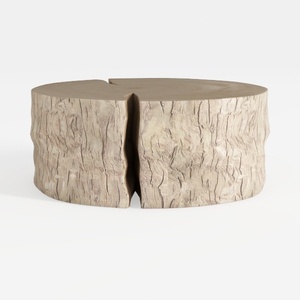
Rustic Solid Wood Split Log Coffee Table 3D Model
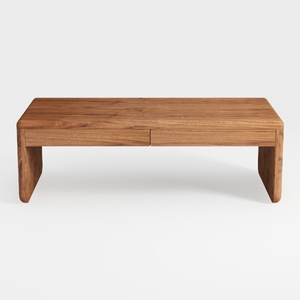
Minimalist Solid Wood Two Drawer Coffee Table 3D Model
Homestyler is a user-friendly online platform offering powerful home design tools, stunning 3D renderings, and a vast collection of interior projects. With helpful DIY video tutorials, it’s perfect for anyone looking to create and visualize their dream space easily and creatively.
Design Now for FREE
































