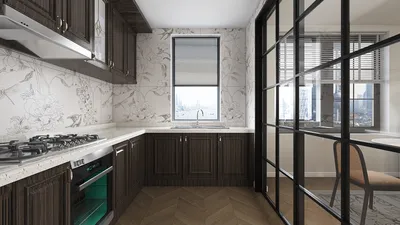


Having reimagined numerous compact kitchens where every square inch counts, I've found that Nano White granite quietly shines as an essential feature. Its fine grain, remarkable light reflection, and pristine color enhance brightness, streamline visual clutter, and provide a fresh backdrop for color and texture in daily cooking. In smaller spaces, this combination can create an illusion of a larger area without the need for structural changes. Research from Steelcase indicates that environments with organized visual elements can lessen cognitive load and decision fatigue—key factors in busy areas like kitchens—facilitating more efficient daily routines (Steelcase research on wellbeing affordances). Additionally, WELL v2 highlights the importance of layered lighting and glare management to foster comfort and productivity, principles that resonate well in compact kitchen activities (WELL v2 guidelines).
Lighting acts as a vital enhancer in a Nano White scheme. According to IES recommendations for residential tasks, ideal task lighting at counter height should measure between 300–500 lux, with general ambient light often ranging from 100–300 lux in small kitchens. Keeping the LED color temperature ideally between 3000–3500K provides warmth without making the space feel sterile, thus avoiding unwanted color shifts during food preparation. For more information about ideal lighting levels and visual comfort, refer to the IES standards. On the human side, while cooler whites may come across as sterile, warmer whites (specifically 3000K) support appetite and a relaxed environment, aligning with color psychology findings indicating that warmer tones enhance perceived comfort (color psychology overview).
Why Choose Nano White Granite for Compact Kitchens?
Nano White granite—an exceptionally uniform and tightly grained white stone—efficiently reflects light and simplifies visual perception. Its subtle patterning minimizes distractions compared to more dramatic veining, which can complicate small layouts. This granite is also incredibly durable, capable of withstanding daily chopping, heat from cookware (when using trivets), and regular cleaning. For smaller kitchens, I recommend using honed or low-sheen finishes to mitigate glare; while polished surfaces are visually striking, they often create distracting highlights under strong task lighting.
Creating a Lighting Strategy: Emphasizing Clarity Without Glare
I recommend a three-tier lighting approach: ambient (ceiling lights), task (under-cabinet or track lighting over functional areas), and accent (inside glass cabinets or toe-kicks). For task lighting, I suggest using linear LEDs with a color temperature of 3000–3500K and a CRI above 90. Continuous diffusion helps prevent scalloping on backsplashes and hot spots on countertops. Systems that allow for dimming to warmer tones help set the mood for everything from morning meal prep to softer evening clean-up. Ensure that beam spreads are kept broad (such as 100–120° on strips) and aim for a uniformity ratio close to 3:1 across countertops to ease eye strain.
Balancing Colors and Materials with Nano White
A white countertop thrives with thoughtfully managed contrasts. I prefer using matte taupe or desaturated clay cabinetry to ground the inherent brightness, along with a micro-textured backsplash—such as satin tiles or fluted ceramics—to introduce depth without causing visual distraction. Brass or soft black hardware can help minimize visible fingerprints; while high-polish pulls reflect light effectively, they are prone to showing smudges. For open shelving, it’s best to limit the display to 20–30% of total storage to prevent visual clutter. Environmentally friendly options include FSC-certified wood fronts, low-VOC finishes, and recycled ceramic tiles. For kitchens that see heavy cooking, it's advisable to apply a dense sealer on the Nano White surface and establish a reseal interval, often recommended annually by manufacturers, to maintain stain resistance.
Design Layout Ideas to Enhance Small Kitchens
In cramped spaces, I recommend maintaining a circulation space of 36 inches wherever feasible to ensure a comfortable workflow between the sink, cooktop, and refrigerator. For single-wall or galley kitchens, define a small work triangle as distinct “work zones” along one side: food prep near the sink, cooking in the center, and plating near the pass-through. If you plan to evaluate different layouts—such as a peninsula versus a small island, or left versus right fridge swings—utilizing a lightweight interior layout planner can help visualize clearances, seating arrangements, and sightlines prior to final decisions.
Ergonomic Considerations: Enhancing Everyday Comfort
I typically set the main prep counter height at 36 inches, but for avid bakers or shorter individuals, a height of 34 inches over a dedicated surface that is 24–30 inches wide can facilitate more comfortable dough preparation. The bottoms of upper cabinets should be positioned 18 inches above the counter to ensure ample headroom and safe reach zones. Heavy items, such as mixers and Dutch ovens, should be placed between 24–48 inches off the ground, while everyday dishes can reside in the 48–60 inch range. Incorporating pull-outs in corner bases and opting for soft-close hardware can help minimize noise in these small, reflective spaces.
Acoustics Considerations in a Compact Setting
Materials like white stone, tile, and glass tend to amplify sound. To alleviate this, I include fabric Roman shades, cushioned stools, and felt liners under countertops. A small area rug positioned beyond the sink zone (using a waterproof pad) can absorb noise without compromising cleanliness. When selecting a range hood, pay attention to the sone rating; opting for a quiet model that operates effectively on low/medium settings is preferable to a louder one that remains unused.
Backsplash and Edge Treatments
With Nano White granite, I typically extend the same stone to create a 4–6 inch cove riser for wall protection, transitioning to a textured tile above. Alternatively, using a full-height slab offers a gallery-like appearance when cabinetry is kept minimal. Edge treatments play a critical role in small spaces; a half bullnose profile softens shadows, while a simple eased edge maintains a clean line. For family-oriented kitchens, micro-bevels can better conceal small chips compared to a sharp, square edge.
Storage Solutions That Don’t Feel Burdensome
Balancing solid cabinet doors with a few glass-fronted upper cabinets creates opportunities to display color while hiding clutter. Vertical dividers can help keep trays organized near the oven, while a 9-inch pull-out next to the range can accommodate oils and condiments. Utilizing toe-kick drawers to reclaim underutilized space for baking sheets is a smart choice. If incorporating a peninsula, ensure each seated diner has 24 inches of clearance and a minimum of 12 inches for knee space; testing these arrangements with a room layout tool can optimize comfort at various stool heights.
Caring for Your Nano White Surfaces
On a daily basis, use a mild pH-neutral cleaner and a soft cloth. Immediately blot spills from coffee, turmeric, and red wine. Weekly checks on high-usage areas should be conducted for signs of etching; touch up with manufacturer-recommended products as needed. It’s essential to reseal the surface annually, inspect silicone seals around sinks, and re-caulk as required. Always use cutting boards to protect the finish; avoid dragging heavy items like cast iron across edges.
Design Trends for 2024–2025
Emerging trends show a preference for warmer whites and gentle contrasts—such as linen, sand, and mushroom—paired with white countertops to eliminate any clinical ambiance. Integrated finger rails in place of individual pulls streamline the visual field. Introducing micro-textures like ribbed tiles, woven cane, or matte finishes enriches sensory appeal without adding visual chaos. Innovative lighting options with scene presets (e.g., Prep, Dine, Nightlight) can enhance the functionality of a small kitchen, creating an environment akin to a professional workspace.
Sample Color Palette for a Kitchen Ranging between 65–90 sq ft
- Countertop: Nano White granite, honed finish, eased edge
- Cabinetry: matte mushroom base cabinetry, warm white upper cabinets
- Backsplash: satin fluted ceramic in off-white
- Hardware: brushed nickel with rounded undercut pulls
- Lighting: 3000K, 90+ CRI, dimmable linear under-cabinet and recessed ambient lights
- Flooring: light oak with a matte finish, paired with acoustic underlayment
- Decorative Accents: natural linen Roman shades, dried herb railing in brushed steel
Planning Essentials Checklist
- Confirm lighting objectives: 300–500 lux for task areas, adaptable ambient lighting
- Select surface finishes: honed or low-sheen to mitigate glare
- Establish ergonomic zones: place heavy items within 24–48 inches AFF
- Ensure adequate clearances: aim for a 36-inch main aisle, 24 inches per seating space
- Strategize storage: pull-outs, tray dividers, and toe-kick drawers
- Set a resealing schedule: annual reseal, daily use of neutral cleaners
- Test layout plans: utilize a simulation tool for alternative configurations before implementation
Frequently Asked Questions
No, the optimal approach is to balance it with warmer lighting (around 3000–3500K) and soft, matte finishes nearby. This maintains clarity without glare and preserves warmth for everyday comfort and dining.
Typically, honed or low-sheen finishes are favorable. They diminish glare from task lighting and can conceal micro-scratches. For those who prefer polished finishes, pairing them with diffused lighting and broader beam spreads can help reduce hotspot issues.
Incorporate diverse textures: utilize fluted or satin tiles, brushed metals, matte paints, and upholstered seating. Adding controlled color accents (like ceramics and cookbooks) alongside warm white LED lighting around 3000K maintains an inviting atmosphere.
Aim for approximately 300–500 lux for task-oriented lighting with a high CRI; ambient lighting in the 100–300 lux range is suitable for many small kitchens. Refer to IES standards and consider dimming options for flexibility.
Warmer whites (approximately 3000K) help preserve appetizing tones and foster a relaxed atmosphere, while overly cool lights can wash out colors and appear clinical. These principles are further elaborated on in color psychology literature.
Divide countertop areas: maintain a standard 36-inch height for general preparation and create a 34-inch section for baking or shorter users. Keep essential tools in the waist-to-shoulder range, and ensure at least 36 inches of aisle clearance when multiple cooks are present.
Well-sealed Nano White granite is highly functional. Promptly blot spills, minimize the duration of contact with heavily pigmented items, and adhere to the resealing guidelines provided by the manufacturer, which is often annually for busy kitchens.
Certainly. Employ a matte or soft-sheen dark finish to eliminate excessive reflections, balance it with warm lighting, and pair it with a textured backsplash to ensure the contrast feels rich rather than jarring.
A gentle eased or micro-bevel edge is preferable as it conceals micro-chips more effectively than a sharp square edge, especially in homes with heavy cookware.
Incorporate soft elements: use fabric shades, padded stools, and strategically placed rugs. Select a range hood with a low sone rating and include soft-close hardware to reduce noise in reflective spaces with hard surfaces.
Sometimes a slim peninsula presents a better option. If an island is essential, aim for 36 inches of clearance all around, 24 inches for each stool, and a minimum of 12 inches knee space. Prototype different scenarios with an interior layout planning tool before final decisions are made.
Employ a daily neutral cleaner, conduct weekly inspections for etching, and plan for annual resealing. Utilize trivets for hot cookware and cutting boards to safeguard the surface finish.
Homestyler is your go-to online home design platform! With an easy-to-use design tool, stunning 3D renderings, and a wealth of design projects and video tutorials, you can effortlessly create and visualize your dream space. Perfect for both beginners and seasoned decorators alike!
Design jetzt kostenlos
































