

Quick Overview
- Insufficient insulation, air leaks, and moisture problems are the primary reasons for cold exterior walls.
- Wet walls feel colder than dry ones as moisture conducts heat away from surfaces more effectively.
- Cold exterior walls can result in increased heating expenses.
Have you ever placed your hand on your exterior walls and questioned why they feel so frigid? This is a frequent issue in numerous homes, particularly during the winter season. The underlying reasons often relate to inadequate insulation, air leaks, or moisture problems. In this article, we will examine why your exterior walls may feel cold and discuss actionable solutions to boost your home’s comfort through the innovative design tools available in Homestyler.
Inadequate Insulation
One significant factor contributing to cold exterior walls is poor insulation. Insulation serves the vital function of retaining warm air within your home while obstructing cold air from penetrating the walls. If your residence was constructed without adequate insulation, or if the existing insulation has compromised due to aging or settling, your walls may feel chilly. Evaluate your insulation levels and consider upgrading them to enhance efficiency.
Air Leaks and Drafts
Air leaks are another major reason behind cold walls. Drafts emanating from windows, doors, and even electrical outlets can lead to substantial heat loss. Infiltration of cold air through these openings makes your walls feel even colder. Conducting a comprehensive check for air leaks and employing weather stripping or caulk to seal them can significantly help maintain a cozy indoor climate.
Moisture Concerns
Moisture issues can also exacerbate the chilliness of your exterior walls. Walls that are damp will feel colder compared to their dry counterparts since water is efficient at drawing heat away from surfaces. If you observe cold, moist walls, it may be time to investigate potential leaks or drainage problems outside your home. Enhancing drainage and ventilation will help keep your walls dry and comfortable, and tools like Homestyler can assist in visualizing improvements to your home’s exterior.
Concluding Remarks
Cold exterior walls not only create an uncomfortable living environment but can also lead to escalated heating bills. By ensuring proper insulation, sealing air leaks, and tackling moisture issues, you can significantly improve the warmth of your home. Have you faced cold exterior walls? What solutions have proven effective for you? We invite you to share your experiences below!
Frequently Asked Questions
welcome to Homestyler

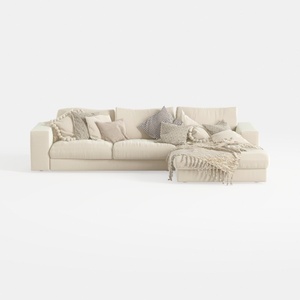
Minimalist Beige Fabric L Shaped Sectional Sofa with Throw Pillows 3D Model
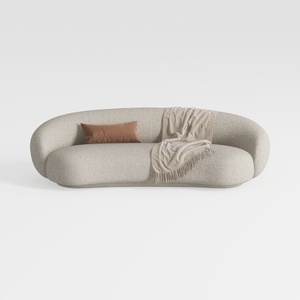

Minimalist Boucle Fabric Curved Sofa With Throw Pillow And Blanket 3D Model
Homestyler is your go-to online platform for transforming your home design dreams into reality. With its user-friendly design tool, stunning 3D renderings, and a vast collection of DIY video tutorials, creating your ideal space has never been easier or more inspiring!
Design Now for FREE
































