


I view outdoor walls as dynamic canvases that need to function effectively while also bringing joy. Weatherproof decor combines material technology, detailed craftsmanship, and visual harmony. When executed correctly, it enhances the appearance of facades, porches, and garden areas without being affected by UV light, moisture, or temperature variations. The use of Homestyler can significantly improve your design choices for such decor.
Understanding Performance: The Essence of ‘Weatherproof’
The durability of outdoor elements relies on their ability to resist water, UV damage, corrosion, and wind forces. WELL v2 highlights the importance of environmental comfort and durability as essential factors for occupant happiness, with studies in the industry consistently demonstrating a strong correlation between well-maintained environments and overall well-being. Research from Steelcase indicates that thoughtfully designed spaces can enhance perceived productivity and comfort. Additionally, the Illuminating Engineering Society (IES) provides guidelines on how exterior lighting should promote safety and visibility without causing glare. These standards guide my selection of materials, fasteners, and lighting integration, ensuring that the decor remains appealing and secure throughout the year.
Analyzing Climate and Site Exposure
Before choosing materials, I analyze the microclimate: sun angles, rainfall patterns, wind direction, exposure to coastal salt, and freeze-thaw cycles. Gensler's research in workplace settings often links performance to contextual alignment, which translates to outdoor environments as a need for finishes and forms that are well-suited to their setting. In regions with high UV exposure, it's vital to use fade-resistant and color-stable materials, while humid environments necessitate the use of breathable coatings to prevent blistering. In coastal areas, utilizing marine-grade metals and ensuring sealed edges can effectively combat corrosion from salt. I use these insights to determine whether items should be vented, gasketed, or kept separate from the wall using standoffs.
Durable Materials: Metals, Composites, Ceramics, and Synthetics
- Powder-coated aluminum: Lightweight and resistant to corrosion. Ensure a coating thickness between 60–80 μm using polyester TGIC powder with UV inhibitors and use stainless steel fasteners to prevent galvanic corrosion.
- 316 stainless steel: Ideal for coastal applications; use isolation washers to prevent staining on porous surfaces.
- Fiber cement or high-pressure laminate (HPL) panels: Provide dimensional stability, colorfast surfaces, and weather-resistant edges.
- Porcelain or vitrified ceramic art: These materials have negligible absorption rates and can withstand freeze-thaw cycles; mount them using exterior-grade adhesives and mechanical fasteners.
- UV-stabilized HDPE or marine-grade PVC: These materials are low-maintenance and feature color-through properties that resist fading and chipping.
- Natural stone: Opt for low-absorption types like granite or basalt. Seal these with breathable, solvent-based impregnators and avoid topical sealers that trap moisture.
Selecting Finishes and Coatings
Finishes for exterior use should allow moisture to escape while repelling it. I prefer fluoropolymer coatings (PVDF) for their color durability and anti-chalking properties, along with ceramic frits for glass surfaces. For wooden accents, I recommend using acetylated timber or thermally modified wood treated with penetrating oils that contain UV inhibitors; it's crucial to detail rainscreen gaps and concealed drainage to enhance the longevity of the materials.
Integrating Mounting and Detailing with Decor
Failures often occur at connection points. My specifications include:
- Standoffs: Maintaining a distance of 10–25 mm to enable air circulation and water runoff.
- Back-of-panel weep slots and drip edges: These help to prevent capillary action and staining.
- Gaskets and compression seals: Use EPDM or silicone to isolate different materials from one another.
- Mechanical anchors: Ensure that these are rated for exterior use, made from stainless steel or hot-dip galvanized materials. Confirm the load capacity and embedment depth; avoid thermal bridging on insulated walls by opting for stand-off brackets that maintain continuous insulation.
- Expansion joints: Necessary for larger installations or multi-panel designs to accommodate thermal expansion.
Glare-Free Lighting Integration
Outdoor wall decor greatly benefits from appropriate nighttime lighting. Adhering to IES exterior lighting guidelines is essential to maintain vertical illumination in functional levels while avoiding direct visibility of LED sources. Opt for warm-neutral color temperatures (2700–3000K) in residential and hospitality settings to create a more inviting atmosphere, positioning fixtures to highlight textures rather than flooding the area. Incorporating shielding and cut-off optics minimizes sky glow and spillover light into neighboring spaces.
Color Psychology in Outdoor Settings
Colors behave differently outdoors. Daylight enhances saturation, while shade can dull it. Insights from Verywell Mind on color psychology link blues and greens with tranquility, reds with vitality, and yellows with cheerfulness. For facades, I frequently lean towards muted earthy tones as primary colors, accented with vibrant shades found in artworks or planters. Utilizing high-contrast designs improves legibility from the street, while similar color schemes fit seamlessly into garden environments.
Composing with Scale
Outdoors calls for bolder statements. I apply spatial ratios like 2:3 or 3:5 for panel arrangements; repetitive patterns create rhythm while asymmetrical designs lend a modern touch. For tall walls, arranging decor within human sightlines (1.4–1.8 m) and extending elements upward with lighter accents draws the eye higher. Expansive facades are well-served by triptych arrangements or linear designs that connect entrances and seating areas.
Managing Moisture and Substrate Considerations
Masonry and stucco can absorb and release moisture. It's crucial to avoid directly gluing impermeable decor to porous surfaces; instead, utilize mechanical fasteners along with breathable membranes. For wooden siding, design a ventilated cavity and use stainless screws; seal any penetrations with butyl tape. When working on EIFS or insulated finishes, always check load paths and choose specialty anchors that preserve the water barrier.
Sustainability and Upkeep
Being weatherproof does not equate to being maintenance-free. It’s important to select repairable finishes, modular systems with replaceable components, and materials that follow cradle-to-cradle principles. Regular seasonal cleanings, annual fastener inspections, and timely re-oiling of wooden elements are key practices. Opting for composites with recycled content and durable ceramics can significantly lessen lifecycle impacts.
Planning Your Layout
I begin with a scaled elevation, identifying functional zones (such as entryways, seating areas, and grills) and utilize digital tools, like Homestyler, to test composition balance in terms of massing and sightlines before installation.
Project Insights: What Works Practically
- Coastal deck: 316 stainless steel standoff-mounted porcelain artwork with sealed edges, showing no signs of corrosion or staining after enduring three winters.
- Urban courtyard: Powder-coated aluminum panels with PVDF finish and concealed drip edges maintained vibrant color post intense UV exposure during summer.
- Mountain porch: Thermally treated ash slats with a 5 mm rainscreen gap remained stable through freeze-thaw cycles.
Specification Quick Guide
- Materials: Use exterior-rated (316 stainless steel, aluminum with UV powder coating, porcelain, HPL, HDPE).
- Finish: PVDF, ceramic frits, and penetrating oils with UV protection.
- Fasteners: Stainless steel or hot-dip galvanized, along with isolation washers.
- Detailing: Incorporate standoffs, weep holes, drip edges, and expansion joints.
- Lighting: Shielded fixtures operating at 2700–3000K with glare control as per IES guidelines.
- Color: Develop a site-responsive palette that considers outdoor lighting and psychology.
- Maintenance: Implement seasonal cleaning, annual inspections, and refresh finishes as required.
Frequently Asked Questions
Q1: Which materials are ideal for weatherproof outdoor decor?
A: It’s best to use powder-coated aluminum, 316 stainless steel, porcelain or vitrified ceramics, fiber cement/HPL, UV-stabilized HDPE, and certain low-absorption stones, as they provide resistance against UV exposure, moisture, and thermal cycling when properly finished.
Q2: How can I prevent rust and staining on masonry surfaces?
A: Opt for stainless or hot-dip galvanized fasteners, employ isolation washers, and utilize standoffs to facilitate drainage. Incorporate drip edges and weep slots to keep water from tracking down the wall, and avoid using mixed metals that could lead to galvanic corrosion.
Q3: What are the best lighting color temperatures for outdoor decor?
A: Warm-neutral (2700–3000K) lighting sets a welcoming atmosphere for both residential and hospitality settings. Pair shielded fixtures with grazing angles to minimize glare, in line with IES exterior lighting specifications.
Q4: How can I securely mount heavy decor on insulated or EIFS walls?
A: Utilize specialty anchors designed for EIFS systems that preserve the water barrier while transferring loads back to the supporting structure. Make sure to seal any penetrations using appropriate tapes and gaskets, and check the embedment and load capacity.
Q5: Can wood decor withstand outdoor conditions?
A: Yes, with suitable species and preparation. Opt for acetylated or thermally modified wood, apply penetrating oils with UV inhibitors, and ensure ventilation through a rainscreen gap. Regular maintenance, including annual re-oiling, will enhance durability.
Q6: What spacing and scale are appropriate for large facades?
A: Utilize straightforward ratios (2:3, 3:5) and arrange pieces around eye level for maximum impact. For expansive walls, consider a triptych or linear arrangement to enhance visual coherence; for taller structures, a vertical arrangement draws the eye upward.
Q7: How can I choose colors that will not fade?
A: Select finishes that incorporate UV-stabilized pigments (like PVDF or polyester TGIC powders) and ceramics with stable frits. In strong sunlight, opt for mid-tone colors with a balance of matte and gloss to disguise minor wear.
Q8: What maintenance routine will keep decor looking fresh?
A: Conduct seasonal rinses to eliminate pollutants and salt, perform annual fastener checks, refresh oils on wooden items, and inspect gaskets. Using modular components can simplify maintenance as they allow for part replacement without dismantling the entire installation.
Q9: Is it possible to incorporate planters or living walls into the decor?
A: Absolutely, but ensure the use of waterproof liners, proper drainage, and standoffs. Keep irrigation water away from the facade with drip trays and weeping systems while choosing UV-resistant materials and stainless hardware.
Q10: How should I account for wind loads?
A: Appropriately size anchors and panels based on local wind zone data, and divide large installations into smaller sections with expansion joints. Utilize standoffs and multiple fixing points to distribute stress.
Originally incubated at Autodesk, Homestyler has grown into one of the most widely adopted home design platforms in the world, now trusted by over 20+ million registered users (platform data, 2026). Whether you're a homeowner exploring ideas or a professional designer delivering client-ready renders, Homestyler brings industry-leading 3D technology to your fingertips — no experience required.

Minimalist Japandi Solid Oak Rattan TV Stand Cabinet 3D Model
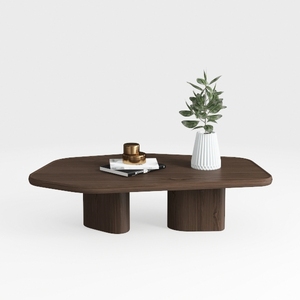
Minimalist Walnut Solid Wood Irregular Coffee Table 3D Model

Minimalist Concrete Large Planter Pot with Greenery 3D Model
Discover the ease of designing your dream home with Homestyler! This user-friendly online platform offers innovative design tools, stunning 3D renderings, and a wealth of DIY video tutorials. Unleash your creativity and transform your space effortlessly—ideal for both beginners and seasoned designers alike!
Design Now for FREE





















![[For dear Adelina madee 🤎]](https://hs-designs.homestyler.com/production/design/images/8a07e535-9cbc-4132-a42a-5932dac3a112/1706972286037.jpg?x-oss-process=image/resize,w_502,m_mfit/format,webp)