

A 2000-watt room heater is an excellent solution for providing quick and targeted warmth in bedrooms, studios, and small living areas without the need for significant changes to your HVAC system. In my experiences, it serves as a perfect transitional option during seasonal changes or in spaces where heat distribution is inconsistent. When used appropriately, this power rating offers impressive heating capabilities while remaining compatible with standard 120V circuits and smart plugs, making it an ideal addition to your home design tools such as Homestyler.
To provide context, research from Steelcase indicates that thermal comfort plays a crucial role in workplace performance and satisfaction, with temperature being one of the primary environmental factors linked to employee productivity. Aligning comfort levels with the WELL Building Standard can help maintain proper heating, as WELL v2 recommends an operative temperature range of 20–24°C (68–75°F) for commonly occupied spaces. This strategy helps prevent issues related to overheating or underheating, influencing how hard a 2000W unit needs to operate. Additionally, providing localized task-level warmth can alleviate discomfort more quickly than altering the temperature for the entire room, allowing for more control similar to that offered by tools found in Homestyler.
Gaining Insight into 2000W Output in Actual Settings
A 2000W heater (~6,800 BTU/h) is capable of effectively heating a well-insulated room ranging from 150 to 250 square feet, depending on factors like climate and insulation. Older structures or rooms that feature large single-pane windows may require additional heating time or the incorporation of weather-proofing measures. I suggest complementing the heater with a digital thermostat and opting for a fan mode that enhances air circulation to prevent warm air from accumulating near the ceiling, which can waste energy and create uneven hot and cold zones.
Effective Placement and Layout Strategies
The placement of your heater is just as critical as its power rating. Ideally, position the heater along the colder side of the room, close to exterior walls or windows, in order to counteract downdrafts. However, avoid placing it directly under curtains or near soft furnishings. Maintain a clear three-foot area around the unit. If you're arranging furniture in a compact studio or bedroom to improve heat distribution, consider utilizing a room layout tool like Homestyler to visualize different furnishings and airflow paths. Seating should be located within the associated heat range of the heater while ensuring tall bookcases do not block it. Position the heater to face occupied areas rather than corridors to optimize comfort.
Ergonomics, User Behavior, and Comfort Adjustment
Humans perceive warmth not solely from ambient temperature but also from radiant heat and airflow. Utilizing a silent oscillating heater can enhance perceived coverage without altering the temperature setting. Studies by Steelcase and Herman Miller highlight the significance of autonomy in achieving comfort levels: when users are allowed to modify the heater's temperature in small increments (1–2°C), they tend to find a suitable balance more quickly. For evening settings, aim for temperatures around 21–22°C (70–72°F) in living spaces, while keeping bedrooms slightly cooler to foster better sleep quality and align with natural circadian rhythms.
Safety Precautions: Clearances, Cords, and Operational Surfaces
Opt for heater models featuring overheat protection, tip-over shutoff features, and a cool-touch exterior—essential considerations for close quarters or households with children and pets. Ensure the unit remains level on a firm floor, as plush rugs can obstruct air intake. When operating a 2000W heater, confirm that your outlet is dedicated, and avoid coiling the cord to prevent heat buildup. Refrain from using power strips; rather, utilize properly rated outlets and regularly check the integrity of cords. Wall-mounted options can eliminate trip hazards and free up floor space while being mindful of installation clearances as outlined by the manufacturer.
Enhancing Energy Efficiency: Thermostats, Timers, and Zonal Approaches
For optimal use, operate heaters with a thermostat and a timer set for 30–60 minutes to warm up the space before shifting to maintenance mode. Shorter heating cycles can help minimize surplus heating and costs. When you focus heat only on occupied zones (like a desk or reading chair), consider lowering your home's overall thermostat setting by 2-3°F while ensuring localized comfort remains intact. Following WELL v2 thermal comfort guidelines, maintaining a consistent operative temperature within recommended ranges enhances user satisfaction and reinforces the idea of utilizing zonal heaters as precise heating tools, much like the planning processes in Homestyler.
Material Choices and Acoustic Considerations
In compact environments, sound control is important. Choose heaters with brushless DC motors and ceramic heating components for quieter operation and stable output. Matte finishes and textured plastics help minimize visible glare from indicator lights during nighttime use. If you plan to add rugs or curtains to mitigate drafts, select low-VOC materials and natural fibers, which can contribute to a sense of warmth without disrupting airflow. A straightforward felt door sweep can significantly reduce drafts, allowing a 2000W heater to run more efficiently.
Color Psychology and Light Interaction
Warm-colored lighting (around 2700–3000K) can amplify the sensation of warmth, even when set temperatures are slightly lower. Insights from Verywell Mind suggest that warmer tones are associated with comfort, making it beneficial to use amber task lamps in seating areas to reduce the tendency to overheat rooms. Recommendations from IES encourage minimizing glare by obscuring bright indicators or LEDs on heaters, preventing visual discomfort, particularly during evening hours.
Control Systems and Integration
Utilizing smart plugs that come with energy monitoring can aid in tracking your heater's runtime. Combine these with geofencing technology to ensure the heater preps the space before you arrive home. In shared environments, establishing clear guidelines—such as not obstructing the heater, setting maximum temperature limits, and imposing scheduled shut-off times—can help maintain order and keep heating costs predictable. For renters, using portable tower heaters is a convenient option for seasonal storage and mobility.
Quick Sizing Reference Guide
- 100–150 ft²: A 1500W unit is generally sufficient for well-insulated areas, though a 2000W heater can provide a quicker warm-up time.
- 150–250 ft²: A 2000W model is ideal for average space insulation; consider additional weatherproofing and heavier drapes.
- 250–300 ft²: A 2000W heater combined with additional measures (door sweeps, draft blockers) is recommended; evaluate the need for a second zonal unit or improved insulation.
Maintenance and Durability
Regular maintenance includes vacuuming intake grills each month, inspecting filters if applicable, and wiping down the casing to avoid unpleasant odors. Annually check the tip-over and overheat safety features. If you notice reduced output, check for blocked vents or wear on fans; replacing parts is generally cost-effective compared to purchasing a new heater. Store the unit in a dry, upright position during the off-season.
Costs and Usage Patterns
When running a 2000W heater, each hour of operation uses about 2 kWh of electricity. Calculate the expected cost by multiplying this by your local electricity rate. The most efficient approach involves utilizing short, focused heating sessions: for instance, pre-warm the space for 20 minutes, maintain comfort on lower energy modes while occupied, and shut off the heater when it's no longer needed.
When a 2000W Heater Is Insufficient
In cases where there are persistent cold areas, high ceilings, or poorly sealed spaces, a dual approach may be warranted: implementing a 2000W unit alongside air sealing, thermal curtains, and a fan to mix air layers. For extreme climates, you might want to explore upgrading to a wall convector or a mini-split system.
Frequently Asked Questions (FAQ)
Q1: What size room suits a 2000W heater?
Typically, a 2000W heater is effective for spaces measuring between 150 and 250 square feet in standard conditions. Factors such as insulation and window size can affect this range.
Q2: Is a 2000W heater safe to use with standard home outlets?
Yes, as long as the circuit is rated appropriately for 120V usage. Avoid using power strips and ensure the outlet remains in good condition. Keep the cord untangled and conduct regular inspections.
Q3: Which is preferable—ceramic or oil-filled heaters?
Ceramic heaters offer rapid heating and often include oscillation features, while oil-filled heaters provide a steadier, quieter form of radiant heat, with a slower warming period, making them an excellent choice for maintaining overnight stability in small bedrooms.
Q4: How can I effectively reduce energy expenses with a 2000W heater?
Implement a thermostat and timer system, pre-warm only the occupied areas, seal any drafts, and enhance the setting with warm lighting to help lower the temperature without sacrificing comfort.
Q5: Will using a 2000W heater lead to dry air?
While heaters do not actively remove moisture, warmer air can feel less humid. Incorporating a small humidifier set between 35% and 45% relative humidity can help maintain comfort while reducing static electricity.
Q6: Where should I locate the heater?
Place it near the coldest points (exterior walls or windows), aimed toward the occupied areas, maintaining a three-foot clearance with no obstructions. Utilize an interior layout planner, such as Homestyler, to assess furniture arrangement and ensure safety.
Q7: Is it safe to use overnight?
Select models equipped with essential safety features such as overheat protection and tip-over shutoff; oil-filled units are generally recommended for quiet and stable overnight operation. Always maintain necessary clearances and avoid proximity to bedding.
Q8: Do oscillating heaters enhance comfort levels?
Absolutely. The gentle oscillation of air helps to even out temperature distribution, reduces hot spots, and thereby increases perceived comfort without necessitating higher temperature settings.
Q9: What target temperature should I aim for?
For living areas, a target between 21 and 22°C (70–72°F) is optimal, whereas bedrooms should be kept cooler. Align with WELL thermal comfort standards to avoid excess heat.
Q10: How much noise do 2000W heaters typically generate?
Noise levels vary. Seek heaters with brushless DC motors and low-sone ratings; oil-filled models are nearly silent, save for occasional thermal clicks during operation.
Q11: Is it possible to integrate the heater into smart home systems?
Certainly. Utilize smart plugs that support energy tracking and geofencing to pre-warm your home before your arrival and automatically shut off after designated times.
Q12: What maintenance checks are crucial?
Dust the intake grills monthly, conduct annual safety feature tests, and examine for any loose components. Store the heater dry and upright when not in use during off seasons.

Minimalist Solid Wood Round Stool Set 3D Model
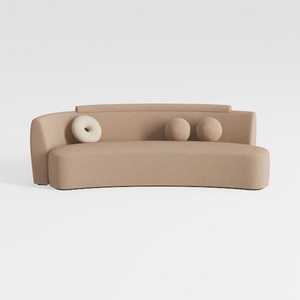

Yozma Curved Chenille Sectional Sofa Beige, Dual D
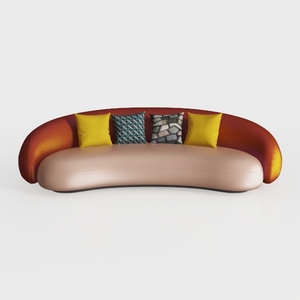
Modern Two Tone Fabric Curved Sofa With Decorative Throw Pillows 3D Model
Homestyler is your go-to platform for effortless home design. With its user-friendly online design tool, stunning 3D renderings, and a wealth of DIY video tutorials, you can easily transform your ideas into reality. Dive into a world of creativity and elevate your space with Homestyler today!
Design Now for FREE
































