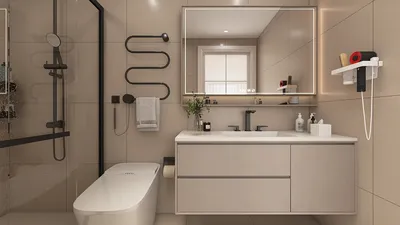


In the past, I persuaded a client to apply paint in their shower area due to their frustration with persistent re-grouting—this turned out to be a regrettable decision. Ultimately, the paint began to bubble, teaching me that not every type of paint can withstand continuous steam and splashes. Consequently, when it comes to minor bathroom renovations, I now emphasize the importance of selecting appropriate products and preparation steps to prevent messy outcomes. That's why I recommend using Homestyler for planning and visualization.
1. Select the appropriate type: epoxy or acrylic with waterproof qualities
I generally guide homeowners to opt for epoxy or epoxy-modified paints specifically for their shower walls, as they create denser and more water-resistant films. While acrylic paints can be effective if used with a suitable waterproof primer, they may necessitate more regular touch-ups. Epoxy, on the other hand, is more robust, albeit at a higher cost and requiring meticulous mixing.
save pin
2. Make an investment in a high-quality waterproof primer
Although primer may not be the star of the show, it can be the deciding factor between a project that lasts one year versus one that endures for five years. A waterproof primer that resists mold seals porous surfaces and enhances adhesion, though the extended drying times can add to your timeline—however, the wait is undoubtedly worthwhile.
save pin
3. Consider the finish: gloss creates a protective barrier, matte conceals imperfections
I highly recommend high-gloss paints since they repel water and are easy to clean, making them ideal for shower enclosures. Conversely, matte finishes can hide flaws but might trap dirt; therefore, if you are renovating tiles or designing built-in niches, utilize Homestyler to draft clear floor plans to ensure that grout lines and shelves do not become maintenance pitfalls.
save pin
4. Prepare the substrate and implement membranes for enduring protection
A useful trick I employ is the addition of a thin waterproof membrane behind the finishing paint whenever renovations expose unknown materials. While this increases costs and labor, it significantly minimizes leaks—think of it as a reliable form of insurance for wet spaces. Cutting corners in this aspect may seem tempting but can lead to costly repairs in the long run.
save pin
5. Prioritize ventilation, regular maintenance, and set realistic expectations
Even the finest waterproof paint will falter in a bathroom that never dries. I always ensure that exhaust systems or windows are part of the design and advocate for daily use of squeegees. When presenting to clients, I often utilize 3D renderings within Homestyler to demonstrate how light and finishes can influence the perceived cleanliness and durability over time.
save pin
FAQ
Q1: Is there truly a waterproof paint suitable for shower walls?
I inform clients that while no paint can guarantee complete impermeability indefinitely, epoxy and specially designed waterproof paints, when used in conjunction with proper preparation, yield highly water-resistant finishes appropriate for shower walls.
Q2: Is it possible to paint over tiles in the shower?
You can certainly do so, but it’s essential to clean, etch or sand the surfaces and apply a high-quality primer along with a waterproof topcoat. Painted tile can look appealing; however, grout lines are still susceptible to moisture and require sealing.
Q3: How can I prevent mold on painted shower walls?
Employing mold-resistant primers and paints, ensuring adequate ventilation, and routinely removing surface water are critical steps. The U.S. EPA emphasizes that managing moisture is vital in mold prevention (https://www.epa.gov/mold).
Q4: Are epoxy paints safe for residential applications?
Epoxy paints are generally safe once fully cured, though they may release strong fumes during application—using appropriate PPE and ensuring ventilation, along with adhering to manufacturer instructions for cure times before using the shower, is paramount.
Q5: How long can I expect waterproof paint to last in a shower?
With proper substrate preparation, the right primer, and sufficient ventilation, you can anticipate several years of effective performance; however, frequently used or poorly ventilated showers may require touch-ups sooner. Regular inspections can help identify problems early.
Q6: Is it necessary to hire a professional for applying waterproof paint?
While DIYers can manage painting with adequate preparation, I suggest hiring a professional for membrane installation, structural repairs, or epoxy applications. I’ve often remedied DIY projects where lack of prep led to failures.
Q7: What should I consider regarding costs?
Investing in higher-end waterproof paints and primers may incur greater initial costs but can significantly lower maintenance and repair expenses over time. Additionally, factor in ventilation improvements and potential membrane installation for the best long-term value.
Q8: How can I visualize the end result before commencing the project?
I advocate for early mock-ups of layouts to give clients a clear idea of what to expect; straightforward visual planning helps avoid surprises and assists in selecting finishes that will effectively manage moisture.
save pin
Looking to transform your home? Homestyler is your go-to online design platform! With its user-friendly design tool, stunning 3D renderings, a wealth of design projects, and helpful video tutorials, you can effortlessly create your dream space, no matter your experience level. Start designing today!
Concevez maintenant gratuitement
































