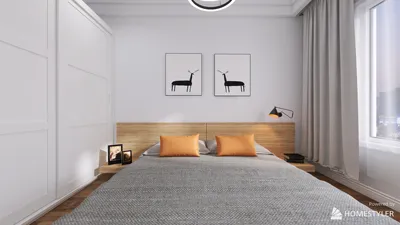


A client once requested a white paint that resembled the comfort of a warm sweater — avoiding anything too icy or overly yellow, simply a cozy embrace for their walls. Initially, I thought about handing them a few different paint cans without much discussion, but we decided to sit down and plan out the room together, analyzing how the light would play across the space. This critical step not only saved us from needing a repaint but also highlighted the significant impact that warm white paint can have in smaller areas. Incorporating a design tool like Homestyler can further aid in visualizing this interaction of light and color.
1. Create depth with layered warm whites
I frequently suggest a primary warm white for walls complemented by a slightly lighter warm white for trim and ceilings. While the difference may appear subtle, it adds depth and avoids stark contrasts that feel uncomfortable; this approach gives the room a cohesive and airy essence. The benefit of this method is a tranquil, spa-like ambiance, although it requires selecting quality lighting samples to prevent a muddied appearance.
2. Combine warm white with natural textures
Warm whites harmonize beautifully with natural elements like wooden tones, textured rugs, and matte ceramics, preventing the ambiance from feeling one-dimensional. For a recent compact living space project, I paired warm white walls with oak cabinetry and a jute rug, resulting in a modern yet inviting atmosphere. Nonetheless, it is essential to achieve balance; too much warm wood alongside warm walls can come off as flat unless intermittent cool accents are introduced.
3. Utilize warm white in kitchens to soften cabinetry
In kitchen settings, warm white wall paint can temper the visual impact of glossy cabinets and enhance the cleanliness of counters. To facilitate layout planning before making any decisions, I sometimes recommend clients to digitally design their kitchen flow using tools like Homestyler. This method allows for testing out color contrasts and backsplashes without incurring high costs from repainting later; however, it may necessitate a more intense color for certain backsplashes to ensure they stand out effectively.
4. Warm white as an art-friendly backdrop
I view warm white walls as an artistic canvas — they elevate colors without competing with them. Vivid rugs, striking artworks, or richly colored upholstery pop against the warm white foundation, which is why I often suggest this in smaller living spaces. It's important to note that highly saturated colors can clash, so it's best to evaluate them together in natural light.
5. Pay attention to lighting and finish
One significant takeaway from my practical projects is understanding the importance of sheen and lighting. An eggshell finish on warm white provides a gentle glow, while a flat finish can hide imperfections, although it appears more matte. If you’re interested in seeing how light interacts with your choices, platforms like Homestyler allow you to view spaces in full 3D before you commit, helping avoid unforeseen issues. A practical tip: invest in sample pots and paint small test patches — it’s cost-effective and clarifies your direction.
FAQ
Q1: What exactly does warm white wall paint mean?
Warm white refers to whites that possess subtle undertones of cream, beige, or light yellow. These shades tend to feel cozier and more inviting compared to their cool white counterparts.
Q2: Is warm white a good choice for small rooms?
Absolutely — warm whites can create an illusion of larger, cozier spaces by effectively reflecting light, avoiding the harshness of cool whites. However, optimizing lighting and contrast is crucial to prevent a cramped appearance.
Q3: How can I select the perfect warm white?
It’s best to compare samples on different walls and observe them at various times of the day. I typically test at least three swatches and live with them for several days before finalizing my choice.
Q4: What finish should I choose for warm white walls?
Eggshell is my preferred choice as it strikes a balance between durability and a subtle sheen. Satin works best for high-traffic areas, while flat is suitable for ceilings or textured surfaces.
Q5: Will warm white walls show dirt more than cool white?
Not necessarily — warmer tones can actually better disguise dust and minute imperfections compared to stark white, though marks from daily use will still be visible on any light paint.
Q6: Are there specific rules for pairing trim and ceilings with warm white?
I prefer a slightly lighter warm white for trims and ceilings to create a soft framing effect. It's a minimal additional cost that yields a sophisticated result.
Q7: How does light influence warm white paint?
Light can alter the perception of warm whites, shifting them toward cream or beige; north-facing rooms often appear cooler, while those facing south enhance warmth. According to Sherwin-Williams, the Light Reflectance Value (LRV) can help predict how much light a paint color will reflect, which is essential when selecting a warm white.
Q8: Can warm white be used in bathrooms?
Certainly — opt for a mildew-resistant finish and consider slightly warmer whites to avoid a clinical atmosphere. Compact bathrooms greatly benefit from this inviting vibe.
Discover the joy of home design with Homestyler! This user-friendly platform offers an intuitive online design tool, stunning 3D renderings, and a wealth of design projects and DIY video tutorials. Transform your space effortlessly and unleash your creativity today!
Zaprojektuj teraz za darmo
































