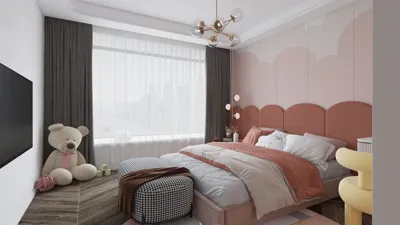


In a previous project, I suggested to a client that they install bright white recessed lights to make their small living room feel more spacious. However, they returned the following day with feedback that it resembled a dentist’s office. This experience taught me quickly that warm lighting is not solely about the color of the bulbs, but also involves the mood, layering, and strategic placement. Thoughtful lighting choices are particularly essential for smaller spaces, where a subtle glow can significantly enhance the atmosphere. Here, I outline five practical warm lighting strategies that I frequently employ in my designs to foster cozy, livable, and surprisingly open living rooms.
1. Layered Lighting: Merging Ambient, Task, and Accent
Begin by considering layers in your lighting strategy. A dimmable warm ambient light creates a welcoming atmosphere, task lamps establish functional reading areas, while accent lighting draws attention to artworks or architectural details. Typically, I install a primary dimmable fixture (around 2700K) alongside a floor lamp near the sofa. The benefit of this approach is the ability to have complete control over the room's mood, although it does require careful planning and may slightly increase the budget.
save pin
2. Opt for Warm Color Temperatures (2700K–3000K)
For living spaces, I recommend using bulbs within the 2700K–3000K range; they beautifully enhance skin tones and bring out the warmth of wood finishes. During one renovation, replacing 4000K bulbs with 2700K instantly softened the atmosphere and enriched our evening family gatherings. However, keep in mind that too warm of a light could distort certain colors, so it’s wise to test the bulbs before making a final decision on fixtures.
save pin
3. Incorporate Dimmers and Smart Controls
Dimmers are a straightforward upgrade that transforms a single light fixture from breakfast-ready to movie night ambiance. Smart dimmers paired with preset scenes offer not only ease but also energy savings. In a compact apartment project, I programmed evening and reading scenes that slightly adjusted the warmth of the light; a small technological investment resulting in significant comfort benefits. Just be sure your bulbs and dimmers are compatible.
save pin
4. Use Accent Lighting with Wall Washers and Picture Lights
Enhancing a textured wall or artwork with warm accent lights adds substantial depth without elevating overall brightness. In one design, I used a warm wall-washer to create the illusion of height in a narrow living room. While it's an elegant solution, it often requires careful aiming and sometimes professional installation to achieve the best results.
save pin
5. Utilize Reflective Surfaces and Lampshades to Soften Light
Select lampshades that disperse light effectively and position mirrors to reflect warm light into darker areas. In one compact design, a strategically placed mirror and a lamp turned a dreary corner into a cozy nook. Both mirrors and fabric shades are budget-friendly options, but they require thoughtful placement to mitigate glare.
If you're considering new layouts for living room lighting, my top recommendation is to sketch out a plan and experiment with fixture placements in a 3D environment. This method can prevent future frustrations. For effective planning and realistic visualization, check out the 3D floor planner from Homestyler to see how different warm lighting arrangements can influence the mood.
save pin
FAQ
Q: Which bulb type provides the best warm light for living rooms?
A: Led bulbs with a rating between 2700K–3000K deliver warm lighting alongside excellent energy efficiency and longevity. Aim for a CRI of 90+ to ensure accurate color rendering.
Q: How many lumens should I aim for in ambient living room lighting?
A: Target approximately 1,500–3,000 lumens in total for an average living room, taking into account room size and natural light availability. Utilize layered lighting to disperse the light evenly.
Q: Are smart bulbs suitable for achieving warm lighting?
A: Absolutely, many smart bulbs provide adjustable color temperatures and dimming features, allowing for seamless transitions between warm evening lighting and cooler task lighting.
Q: Can warm lighting enhance the perception of space in a small room?
A: When layered properly, warm lighting can create depth and showcase features, making smaller rooms feel more inviting and visually expansive.
Q: Is 2700K too yellow for contemporary interiors?
A: Not at all — 2700K brings a cozy feel. If you're aiming for a fresher modern aesthetic, consider 3000K; however, it's beneficial to test both in your environment before making a decision.
Q: How should I illuminate artwork using a warm lighting scheme?
A: Employ picture lights or targeted accent fixtures with a warm color temperature alongside a CRI of 90+ to maintain color accuracy without harshness.
Q: Where can I find trustworthy resources for lighting design?
A: Professional organizations such as the Illuminating Engineering Society (IES) offer essential standards; for practical layouts, I often rely on digital planning tools like Homestyler to visualize outcomes (refer to IES recommended guidelines: https://www.ies.org/).
Q: How can I prevent glare from warm lamps and mirrors?
A: Use diffusing lampshades, indirect lighting sources, and meticulous placement of fixtures. Test the lighting at various times of day to identify potential glare issues.
save pin
Discover your home's potential with Homestyler! This user-friendly online design platform offers a powerful design tool, stunning 3D renderings, and a wealth of inspiring design projects. Plus, with DIY video tutorials, transforming your space has never been easier or more fun!
立即免费设计
































