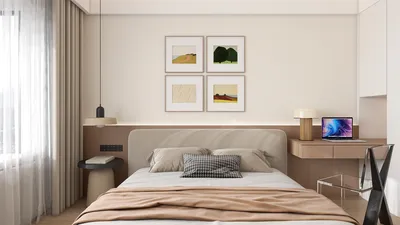


Wallpaper has evolved significantly, transitioning from merely being a subtle background to taking center stage with bold designs. In 2024, its role is more pronounced than ever, emphasizing tactile depth, human-oriented color schemes, and designs that harmoniously balance energetic aesthetics with soothing tranquility. In living rooms—our multifunctional spaces for entertaining, relaxing, and sometimes working—wallpaper serves as a crucial design element, enhancing mood, controlling sound, and influencing the perception of natural light. Integrating design tools like Homestyler can greatly assist in visualizing these changes in your space.
Current trends in color and material choices are heavily informed by data, pushing beyond mere aesthetics. The WELL v2 framework emphasizes the importance of restorative environments and glare regulation as key factors in residential well-being. Furthermore, IES lighting guidelines remind us that adaptable light levels, typically within the 100–300 lux range for ambient tasks, can enhance living spaces. Research into color psychology, highlighted by Verywell Mind, indicates that shades like blue-greens promote calmness, while soft yellows and warm neutrals uplift spirits without overwhelming the senses. Consequently, the wallpaper trends for 2024 are firmly rooted in how spaces feel and function, not just their appearance.
Textured Calm: The Growing Trend of Tactile Neutrals
Rich grasscloth, linen weaves, and silk blends are making a notable comeback, now embracing more sustainable materials and low-VOC inks. I advocate for tactile neutrals to diffuse light and provide understated depth, particularly in spaces with expansive south-facing windows where glare management is essential. The gentle interplay of light and shadow on a textured surface enhances comfort perception. When paired with dimmable warm-white lighting (2700–3000K), it creates a cozy atmosphere for the evening without compromising clarity. Resources like WELL and IES provide valuable benchmarks for wellness and lighting criteria (visit WELL at wellcertified.com and IES standards at ies.org/standards).
Biophilic Designs: Nature-Inspired Yet Distinctive
Botanical themes this year are characterized by abstract interpretations and thoughtful scaling. Imagine softly layered leaves, earthy washes, or hand-inked branches instead of traditional floral patterns. Personally, I enjoy applying biophilic designs on one or two adjacent walls to frame seating areas while maintaining clear sightlines. The intention is to subtly evoke nature's underlying order—through repetition, rhythm, and fractal softness—while preventing the decor from becoming overpowering. In spaces with limited daylight, biophilic patterns in muted greens and dusky blues can counterbalance cooler light, thus fostering visual tranquility.
Geometric Elegance: Movement Without Constraint
Curvaceous geometric patterns, staggered grids, and broken stripes inject energy into living areas while remaining comfortable. In smaller living rooms, these rhythmic designs can guide movement and subtly define conversation or reading spaces. I tailor the repetition of patterns to the room's principal dimensions: smaller motifs work best in snug areas, while larger patterns are perfect for open-plan designs, establishing a visual anchor for the room. When experimenting with furniture layouts, a room planner like Homestyler can efficiently simulate views and pattern placements, helping avoid undesirable focal points.
Warm Minimalism: Colors That Soothe
Shades such as soft clay, mushroom beige, and almond creams are replacing stark white walls. By utilizing lighting within the 2700–3500K range and controlling reflections (preferably with matte or eggshell finishes), these palettes maintain gentle contrasts, reduce eye fatigue, and create a backdrop for layered textures. I tend to avoid high-gloss finishes on feature walls, as they can cause glaring highlights that clash with screens and artwork. Opting for matte or subtly textured wallpaper can help manage glare and promote relaxation in the evenings.
Sustainability & Performance: Intelligent Materials
For high-traffic areas, durable scrubbable vinyl alternatives and coated nonwovens are highly effective while still offering a pleasant texture. Seek out certifications like GREENGUARD Gold or similar low-emission standards, as well as water-based inks. Advances in recycled content nonwovens are noteworthy, and cork-backed wallpapers provide unexpected acoustic benefits, mitigating mid-to-high frequency noise, which is beneficial in hard-surface living rooms. I’ve successfully implemented cork on the TV wall and combined it with woven grasscloth behind seating to balance audio reflections across different spaces.
Applying Color Psychology in Everyday Environments
I prefer calming color schemes—soft blues, blue-greens, and gentle blush taupes—to keep heart rates and cognitive loads low after a long day. Evidence from color psychology reviews by Verywell Mind suggests that blue and green tones are often linked to relaxation and stability, while warm neutrals foster an inviting atmosphere. However, modulation of saturation is crucial: I incorporate accent colors sparingly through trims or single-wall features, ensuring that the space remains uplifting without overwhelming visual senses.
Proportions, Scale and Sightlines
The scale of wallpaper designs should correspond with the architectural flow of the space. Large repeats complement rooms with expansive walls and high ceilings, while smaller patterns fit areas with doors, niches, or alcoves. I align design motifs with major sightlines; a feature wall aligned with the main entry should sport the most pronounced pattern, while side walls can benefit from softer textures. An interior layout planner can help assess how patterns interact with pathways and seating arrangements, ensuring a harmonious layout.
Lighting Considerations: Color Temperature and Reflectivity
Warm-white lighting around 2700–3000K pairs beautifully with earth-toned wallpapers and human skin tones, creating a welcoming ambience for gatherings. In naturally bright environments, I maintain ambient light levels around 150–200 lux while layering task lighting for reading up to 300–500 lux, following common practices based on IES guidance. To minimize hotspots, I recommend fixtures with effective shielding and textures that gently diffuse light. Dim-to-warm LED lights work excellently with textured wallpapers, adding depth to evening settings.
Acoustic Comfort: Utilizing Patterns for Sound Management
Though patterns do not directly absorb sound, the combination of heavier materials and porous textures can help inhibit sound reflections. A well-balanced design—incorporating textured wallpaper, soft rugs, upholstered seating, and curtains—can diminish echo without sacrificing liveliness. In open-plan configurations, I prefer tactile wallpaper on the wall opposite the largest glass area to mitigate sounds and improve clarity during conversations.
Installation, Detailing, and Edges
Professional installation can significantly impact aesthetics. I meticulously inspect seams in relation to natural light and plan trims so that sightlines don't intrude on pattern joins. When covering niches, it’s important to ensure continuity in patterns across edges to avoid jarring breaks. For those in rental properties, improved peel-and-stick options are available—select thicker films with microsphere adhesives to prevent edge curling and ensure easier removal.
2024 Style Predictions: What’s Trending
Beige-on-beige textures with clay undertones and ultra-subtle geometric patterns fit perfectly in living areas aiming for serene clarity with warm lighting.
Abstracted leaf motifs and mineral washes in soft greens and blues foster gentle rhythms, perfect for winding down in the evening.
Curved shapes, broken stripes, and softened primary colors work harmoniously with walnut or oak furniture, wool rugs, and matte brass accents.
Charcoal bases with muted patterns require careful lighting at 3000K with layered accents to maintain visual richness without flattening.
Practical Selection Guidelines
- Prioritize texture for managing glare and adding depth.
- Ensure color temperatures are harmonized: warm tones with 2700–3000K lights, cooler palettes with 3000–3500K.
- Scale patterns appropriately: utilize larger designs in open spaces and smaller motifs in compact areas.
- Verify sustainability credentials and VOC ratings before selection.
- Test wallpaper samples in both day and night conditions for optimal effect.
- Plan pattern integration with sightlines and furniture arrangements using an interior design tool like Homestyler.
Maintaining Longevity and Care
Regular gentle cleaning with a damp microfiber cloth helps preserve wallpaper finishes; avoid harsh solvents. In rooms that receive direct sunlight, opt for UV-resistant inks to prevent fading over time. In regions where humidity is high, using nonwoven backings with mold-resistant coatings enhances durability.
Frequently Asked Questions
Q1: Which wallpaper colors create a serene atmosphere in a living room?
A: Muted blues, blue-greens, and warm neutrals commonly foster calmness and approachability. Color psychology insights from Verywell Mind indicate that these tones are associated with relaxation and stability, while subtle yellows and beiges can gently uplift one's mood.
Q2: How should I choose wallpaper shades to complement my lighting?
A: Pair warm tones with lighting in the 2700–3000K range for cozy evening vibes. Maintain ambient light at roughly 150–200 lux and enhance it to 300–500 lux for reading, which aligns with established residential practices informed by IES. Opting for matte or textured papers can aid in glare management.
Q3: Can large patterns work in smaller living spaces?
A: It is advisable to use small-to-medium repeats in tighter rooms to avoid visual clutter. If you are drawn to a bold design, it’s best to reserve it for a single feature wall while balancing the rest of the decor with textured neutrals.
Q4: Which materials are ideal for high-traffic households?
A: Scrubbable, coated nonwovens and durable vinyl options are excellent choices. Ensure they utilize low-VOC inks and come with certifications such as GREENGUARD Gold to support indoor air quality.
Q5: Is it possible for wallpaper to enhance acoustics?
A: While patterns themselves won’t absorb sound, heavier and porous materials (like cork-backed or woven wallpapers) can help mute sound reflections, especially when used alongside rugs, upholstered items, and curtains. They won’t replace acoustic panels but certainly contribute to a more pleasant auditory environment.
Q6: How do I effectively plan pattern placement around windows and doors?
A: Position significant motifs away from high-traffic visual areas and locations with abundant natural light. Stronger designs should be implemented on walls that frame sightlines from the entry point or main seating areas.
Q7: Are peel-and-stick wallpaper options suitable for rental homes?
A: Absolutely—select thicker films with quality adhesives to minimize edge curling. Prepare the walls properly beforehand and test a small area for removal feasibility before proceeding with full installation.
Q8: How can I reduce glare on darker wallpaper designs?
A: Utilize fixtures that offer shielding, layer accent lighting, and choose matte finishes to combat glare. Keeping color temperatures warm (around 3000K) will maintain depth without creating harsh highlights.
Q9: How should I integrate wallpaper in open-plan living areas?
A: Use wallpaper patterns to demarcate zones: apply a striking design to the principal seating wall, and choose textured neutrals for adjacent spaces. Homestyler can assist in visualizing how these elements transition and interact with sightlines.
Q10: Which wallpaper trends from 2024 seem the most timeless?
A: Textured neutrals, thoughtfully designed biophilic patterns, and gentle geometric shapes possess enduring appeal, as they resonate with human comfort and enhance controllable lighting and acoustics rather than relying solely on fleeting style fads.
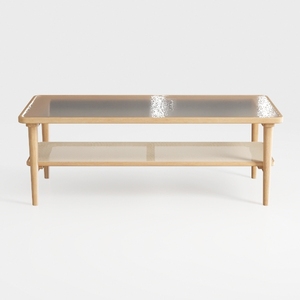
VECELO Coffee Table with 2-Tier Storage Shelf X-Fr
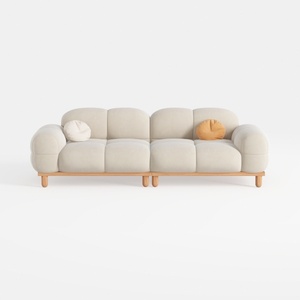

SSC SATISUNCASA 88.58" Modern Curved Sofa Couch, J
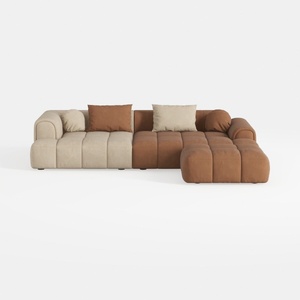
Modern Velvet Sectional Sofa, U Shape Minimalist M
Discover the power of Homestyler, your go-to online home design platform! With a user-friendly design tool, stunning 3D renderings, an array of design projects, and inspiring DIY video tutorials, you can effortlessly bring your interior visions to life. Get started today!
立即免费设计
































