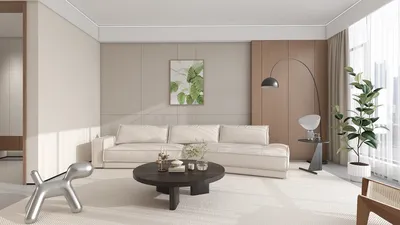


When my living room needs instant character, I often turn to wallpaper. It is an excellent solution for quickly adding texture, scale, and mood to the space without the hassle of significant construction or weeks of dust. Selecting the right wallpaper pattern can enhance the perception of space, adjust proportions, and improve acoustics. Moreover, different designs can influence behavior: calming color palettes can create a relaxed atmosphere, while vibrant motifs can energize social gatherings.
Choosing wallpaper should be informed by more than just aesthetic preferences. The impact of color on mood and focus is significant—according to Verywell Mind, blues often promote calmness and lower heart rates, whereas reds can evoke excitement and warmth. The lighting is also crucial; the Illuminating Engineering Society recommends 10–20 footcandles (100–200 lux) for living rooms, achieved through a mix of ambient and task lighting to minimize glare. The reflectance and finish of wallpaper can significantly affect how these light levels are perceived. If you're creating a space focused on wellbeing, following the guidance of WELL v2 on illumination and glare control is essential; pairing matte, mid-value wallpapers with adjustable lighting can help meet comfort goals. For deeper insights into color psychology and its effects, refer to resources such as Verywell Mind and WELL v2 at v2.wellcertified.com.
How Wallpaper Alters Spatial Awareness
The considerations of scale and rhythm are vital. Applying large-patterned wallpaper on a single wall can visually expand a small room, whereas vertical stripes can create the illusion of height. Using soft geometric patterns can establish visual rhythms that guide the flow from the entry point to the seating area. Mid-toned, low-contrast designs can reduce visual distractions, enhancing conversations and TV viewing experiences. In my designs, I align the rhythm of the patterns with the arrangement of furniture—aiming for one significant motif every 24–36 inches to keep the eye traveling effortlessly.
Texture, Sheen, and Light Management
Choosing the right materials plays a vital role in managing glare and ensuring comfort. Matte vinyls and woven grasscloth options diffuse light, minimizing straining highlights during evening viewing. Satin and pearlescent finishes can brighten dark rooms but may highlight wall imperfections. For an intimate feel, combining textured wallpapers with 2700–3000K warm LEDs works beautifully; higher color temperatures (3500–4000K) bring out details on crisp designs. If you're planning to rearrange seating or task lighting, using a room layout tool like Homestyler for a quick visual trial can help achieve the perfect pattern placement.
Color Psychology in the Living Room
Color choices significantly influence behavior. Neutrals with warm undertones, like taupe and sand, convey hospitality; desaturated greens promote tranquility and connect with natural elements; and muted blues assist in emotional regulation, making them ideal choices near bookcases or reading chairs. Adding bold accents like mustard or terracotta can invigorate social areas, but these should be balanced with appropriate lighting to control glare. It's best to apply high-chroma colors on a single wall or within designated sections to prevent overstimulation.
Acoustic Comfort and Design Choices in Wallpaper
Living rooms frequently face issues with echo due to hard surfaces. While wallpaper alone isn't a primary solution for acoustic challenges, textured or fabric-backed styles can enhance sound absorption and disrupt reflective surfaces. Complementing wallpaper with soft furnishings, rugs, and curtains can optimize sound quality. Subtle, irregular patterns tend to minimize echo more effectively than uniform stripes, which is particularly beneficial for media rooms.
Spatial Ratios and Visual Harmony
It's important for wallpaper to complement the architecture. A good rule of thumb is to limit patterned coverage to 40–60% of the visible wall space in smaller rooms, increasing up to 60–80% only if the patterns are low-contrast. To balance tall windows, wrapping patterns around transoms or using plain reveals around the trim can prevent visual clutter. Additionally, echoing the geometry of the wallpaper patterns in furniture style helps maintain cohesion: for example, curved designs pair well with rounded tables, while linear layouts align with structured shelving.
Layout Techniques: Feature Walls vs. Full Wrap
Creating a feature wall enhances the impact behind a sofa or television, establishing a clear focal point. This approach is particularly suitable for renters and individuals looking for budget-friendly upgrades. Full wraps can envelop a room beautifully but are best suited for subtle textures or small repeat patterns to prevent overwhelming the space. If testing furniture placement, utilizing an interior layout planner such as Homestyler can help visualize sightlines and distances, ensuring the pattern complements the decor without competing with artwork.
Material Selection and Environmental Responsibility
Choose materials wisely: low-VOC inks, FSC-certified substrates, and removable adhesives ensure a healthier installation and make it reversible. While vinyl offers durability and easy cleaning—ideal for homes with children or pets—select phthalate-free options. Natural fibers like grasscloth provide warmth but are susceptible to stains and sunlight. Always order an extra roll for pattern matching and to accommodate future repairs.
Installation Speed: Transform Your Space in Minutes
Peel-and-stick wallpaper can drastically shorten installation time. With a plumb line and a sharp blade, you can complete a single accent wall in an hour or two, depending on the wall's dimensions and pattern complexity. Pre-cut panels can further expedite the process. For renters, these options can be removed easily, preserving the original paint. Traditional paste wallpapers may offer superior seam quality and durability, making them a better choice for high-traffic areas or spaces with fluctuating humidity.
Lighting Strategies for Evening Comfort
To create a cozy atmosphere, combine patterned walls with layered lighting: use a diffuse ceiling source, two or three table lamps at eye level, and one accent light grazing the feature wall. Maintain gentle luminance ratios, aiming for a 3:1 contrast between task lamps and ambient lighting to avoid harsh transitions. Matte wallpaper helps reduce distracting hotspots, especially around screens.
Practical Styling: Art, Shelving, and Textiles
Allow the wallpaper to shine as a backdrop instead of overwhelming the space. Position large artworks on calmer wall sections, while using grouped smaller frames on patterned walls, keeping mats neutral. Open shelving appears refined against subtle stripes or linen textures—refrain from placing heavy patterns behind densely packed shelves to prevent visual chaos. Coordinate cushions and throws with two primary colors from the wallpaper, adding a third accent hue to avoid monotony.
Trends to Anticipate for 2024–2025
Expect to see a rise in quiet luxury textures, such as linen weaves and plaster-effect prints, often paired with warm neutrals. Botanical and biophilic influences will remain prominent, albeit in muted palettes. Architectural trompe-l'œil designs (like paneling prints and stone motifs) can modernize builder-grade walls. The movement towards sustainable options is influencing preferences towards recycled substrates and water-based inks. In small apartments, opting for micro-patterns and vertical repeats will aid in creating the illusion of height.
Common Pitfalls to Avoid
Neglecting wall preparation can lead to peeling seams—always ensure walls are clean, filled, and primed. Overly glossy patterns near south-facing windows can cause glare. Disregarding the pattern repeat can waste materials; calculate roll coverage with a 10–15% overage for matching purposes. Avoid mixing multiple high-contrast patterns in direct sightlines; it’s best to let one pattern dominate while the others support it.
Frequently Asked Questions
Matte or eggshell finishes effectively diffuse light and minimize glare, making screens more comfortable to view under the typical 100–200 lux ambient lighting levels recommended by the IES.
For calming environments, opt for muted blues and greens or warm neutrals. According to color psychology research summarized by Verywell Mind, blues are associated with lower arousal levels, while greens promote a sense of restoration, contributing to a settled atmosphere in living spaces.
Utilizing a feature wall allows for striking patterns to make a quick impression; a full wrap is ideal for subtle textures and small repeats. Simulate furniture placements and sightlines with a layout simulation tool like Homestyler to visualize how patterns will be perceived from key seating areas.
While wallpaper contributes to sound absorption, it acts as a supplementary aid rather than a primary solution. Textured or fabric-backed wallpapers increase sound absorption slightly and help scatter reflections. To enhance acoustic comfort, combine with rugs, curtains, and upholstered seating options.
Lighting at 2700–3000K complements warm color palettes and promotes evening relaxation. For sharper details on prints, consider higher color temperatures around 3500K while ensuring the option to dim lights to maintain comfort levels.
Quality peel-and-stick products maintain their hold for several years when applied to properly primed walls. They are particularly beneficial for renters seeking quick refreshes, though traditional paste wallpapers typically excel in seam quality and durability in areas with high foot traffic.
Aim for patterned coverage of approximately 40–60% of visible wall space in compact rooms, choosing low-contrast repeats and balancing them with plain trims. Solid rugs and larger art pieces can help anchor the pattern effectively.
Start by calculating the wall area, subtracting for openings, and factoring in the pattern repeat. Adding a 10–15% overage for matching and future repairs is wise. Always check the roll width and repeat length before making a purchase.
Seek out wallpapers made with low-VOC inks, recycled or FSC-certified substrates, and phthalate-free vinyl. Utilizing water-based adhesives helps reduce unpleasant odors and enhance indoor air quality.
Thoroughly clean, sand down high spots, fill in any holes, and apply a wallpaper-appropriate primer. Smooth surfaces and proper priming will ensure strong adhesion and sharp seams.
Applying large-scale patterns to a single wall, using vertical stripes to enhance height, and opting for mid-tone palettes with low contrast can expand the perceived space without creating a sense of overwhelm.
Yes, but it’s essential to limit to one dominant pattern and one supportive texture. Maintain a cohesive color scheme and avoid clustering high-contrast prints in a single view to create a harmonious space.
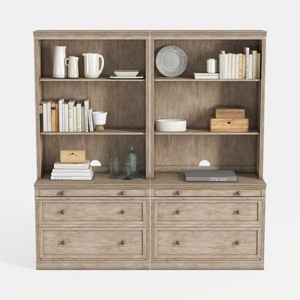
HOSTACK Farmhouse Bookshelf and Bookcase, 47" Wide

Minimalist Fabric Round Tufted Ottoman Coffee Table 3D Model

Minimalist Walnut Round Coffee Table 3D Model
Homestyler is an outstanding online home design platform that empowers you to create stunning spaces effortlessly. Utilize its user-friendly design tool, explore a vast selection of 3D renderings, and follow DIY video tutorials to transform your vision into reality. Start designing today!
Zaprojektuj teraz za darmo
































