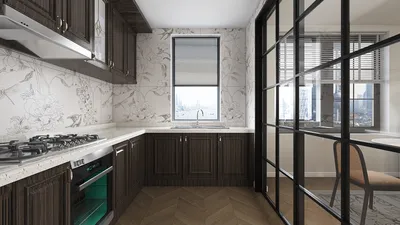


Wall-mounted cabinets offer more than just a solution to clutter; they enhance the overall aesthetic by creating a lighter visual impact, facilitating better movement throughout the space, and establishing a soothing rhythm within the room. In my design practices, I often utilize floating structures that are equipped with hidden cable management systems, integrated lighting, and resilient materials to provide maximum functionality without occupying floor space. As highlighted by the International WELL Building Institute's WELL v2 guidelines, organized and uncluttered environments promote mental wellness and lower cognitive load. This effect can be further enhanced through innovative storage solutions that maintain clean surfaces and assist navigation by utilizing tools like Homestyler for a seamless integration of storage.
The quality of lighting is crucial when planning cabinetry. The Illuminating Engineering Society (IES) advises a task light level of 300–500 lux for reading spaces, with softer ambient light to ensure comfort and contrast in living areas. Combining floating cabinets with dimmable LED strips in the 2700–3000K range beneath the cabinets can create a gentle wash of light on walls and floors, which enhances the sense of space without harsh glare. Ergonomically, the lower edge of cabinets should ideally be positioned 16 to 20 inches off the floor to optimize visual elevation and maintain adequate storage capacity; heavier items should be placed 24 to 50 inches above the finished floor to ensure easy access following the best ergonomic practices.
Design Intent: The Solutions Wall-Mounted Cabinets Provide
Each living room must balance numerous functions—such as accommodating media, books, decorative items, toys, and appliances. Wall-mounted cabinets help create a defined line that stabilizes the space while allowing the floor area to remain open, making small rooms appear more spacious. I incorporate floating cabinets to: (1) conceal audio/visual equipment while allowing ventilation; (2) elegantly frame a television with compatible side storage; (3) enhance a window wall with narrow shelves for books and artwork; and (4) outline entryways without the need for bulky furniture. When sketching out the layout, utilizing an interior planning tool can be beneficial for assessing circulation and sightlines, particularly in areas near door swings and potential glare from TV screens. If you're assessing traffic flow and clearances, a tool like Homestyler can assist in visualizing various room layouts.
Consistent Proportions and Mounting Guidelines
I strive for a sleek, horizontal line: 10 to 16 inches high for long media units; 18 to 24 inches for multi-functional storage; 12 to 14 inches deep for books or display space; and 16 to 20 inches for audio/visual equipment to allow necessary cable slack. It's essential to ensure a clearance of at least 30 to 36 inches in main circulation paths. When accommodating a TV above, the cabinet’s width should be approximately 1.2 to 1.5 times the width of the screen to achieve visual harmony and to provide space for electronic devices. In seismic or load-bearing conditions, I recommend securing ledger boards to wall studs and verifying the specifications of fasteners to accommodate the calculated weight load (typically 15 to 25 lb/ft for displays and 35 to 50 lb/ft for books and equipment). It's important to always check the wall material and support before proceeding with extended installations.
Visual Calm through Light and Color
In terms of design psychology, employing a subdued color palette can create a calming environment. Verywell Mind suggests that cooler colors foster tranquility, while warm neutrals add a welcoming atmosphere—consider integrating wood finishes with muted paint colors to soften the harshness of black screens and speakers. Opt for a slightly darker wall color behind lighter cabinets to define edges, or coordinate the cabinet finish with the wall for a cohesive look, relying on shadowing for depth. Installing under-cabinet LED lighting set to 2700–3000K for evening settings, and 3500K for daytime will also enhance the ambiance. Using uniform hardware finishes in brushed nickel or matte black minimizes visual distractions, and consider push-latch mechanisms where showing minimal hardware is desired.
Acoustic Considerations and Media Planning
Living areas frequently serve as media entertainment zones. Floating cabinets can effectively absorb sound and minimize reflections due to their ability to disrupt solid wall surfaces. When accommodating speakers, avoid fully enclosed compartments; use acoustically transparent fronts or maintain open niches with concealed cable routes. Proper ventilation for receivers and consoles is critical—ensure at least 2 inches of space behind equipment and consider slotted bases or grommets for air circulation. If you are wall-mounting the television, pre-install power and data connections while keeping low-voltage and power sources separate to mitigate interference. In my designs for extensive runs, I often include a removable back panel to allow for servicing and upgrades without needing to dismantle the entire cabinet.
Choosing Materials for Longevity
The selection of materials is vital for enduring everyday use. For family-oriented spaces, high-pressure laminate or durable lacquered finishes on MDF combat micro-scratches more effectively than untreated wood; solid wood edge-banding should also be used on visible edges. In well-lit environments, UV-cured finishes assist in preserving color integrity. If sustainability is important to you, request FSC-certified materials and low-VOC finishes; many suppliers now also provide recycled material options. When designing shelves to support books or records, utilize 3/4 inch plywood or MDF with added stiffening features to prevent sagging over extended lengths. Incorporating felt pads beneath decorative items can help protect surfaces and minimize vibrations from speakers.
Ergonomics and Behavior Patterns
Our daily behavior drives us to reach for items such as remotes, chargers, and tablets frequently—designing a shallow, central drawer with dividers along with an integrated charging station can help mitigate cable mess. Store heavier materials at knee to chest height, reserving higher spaces for seasonal items. Soft-close hinges reduce noise, enhancing comfort during late-night viewings. Hardware pulls should provide ample clearance for fingers, so I recommend maintaining at least a 1 inch clearance for edge pulls and 3 to 4 inches for knob placements to avoid pinch hazards. If the cabinet is double-purposed as a bench, aim for a seat height of 16 to 18 inches and a depth of 15 to 17 inches, rolling the front edge to ensure comfort for seated individuals.
Designing Symmetry vs. Rhythm in the Space
While symmetry offers a formal appearance, an asymmetric rhythm can impart a more modern, relaxed feel. I prefer a low floating cabinet base paired with irregular upper boxes, featuring a tall display section on one side and two smaller units on the other to guide the viewer's eye throughout the space. Consistent reveals—typically 1/2 inch shadow gaps around doors and divisions—keep the composition sharp. In narrow rooms, extending a single floating band along the longest wall can highlight length; in more square spaces, wrapping a corner with L-shaped cabinets can ground seating and soften acoustic harshness.
Creating Glaring-Free Integrated Lighting
Lighting should softly illuminate rather than assault the senses. Conceal LED strips behind a small shielding panel at the bottom of the cabinetry to eliminate direct visibility of the diodes, positioning them 1.5 to 2 inches from the front edge to cast a gentle light on the wall and floor areas. Install puck lights solely in display sections and utilize wide beam spreads (60-90 degrees) to avoid creating hotspots of light. It’s advisable to tie under-cabinet illumination to a dimmer switch separate from the general room lighting, allowing adjustments depending on the occasion, such as movie nights versus reading. Follow IES recommendations to avoid veiling reflections on TV screens by steering clear of directly lit sources opposing the display.
Visualization and Planning Techniques
Before making any holes in the walls, use painter's tape to outline the proposed cabinet dimensions at scale. Check the visibility from main seating areas, ensure unimpeded line-of-sight for remotes if not using RF technology, and validate door swing clearances. If experimenting with various configurations, a design tool such as Homestyler can assist in quickly assessing varying lengths, heights, and color schemes for solutions. Exporting elevations with measurements simplifies coordination with installers and electricians, making the process smoother.
Key Installation Practices
Begin by locating wall studs, adding blocking in areas where spans exceed two studs without reinforcement, and use a continuous ledger strip to support the cabinetry while leveling the installation. Pre-drilling grommeted cable pass-throughs is vital, and ventilation pathways must remain unobstructed. For masonry walls, appropriate anchors must be selected, and cable conduits should be planned ahead of time. Always confirm the total live load of stored items along with dynamic stresses from door movements; use filler panels to account for any unevenness in flooring or walls, maintaining a straight line without visible shims.
Maintaining Style and Durability Over Time
Keep the top of the cabinets visually appealing by arranging a few objects with varying heights—combining a lamp, stacked art books, and a decorative piece can create intrigue without overcrowding. Utilize trays to organize remotes and coasters, while lined drawers protect contents from scratches. For long-term care, opt for fingerprint-resistant matte finishes, particularly in high-traffic areas, and clean with non-abrasive, neutral pH products. Regularly check hinges and wall fasteners for maintenance, particularly on longer, heavily utilized cabinetry.
Quick Layout Suggestions
Consider a floating cabinet 12 to 14 inches deep, spanning 70-80% of the wall, placing a television 42 to 48 inches from the floor to accommodate seating height, including under-cabinet LED lighting, with a hidden soundbar compartment concealed behind a fabric front.
For an 18 to 20 inches high floating unit, include central drawers for devices, open cubbies for basket storage near entry edges, using a durable laminate finish with an integrated power strip for convenience.
Try a low matte cabinet that matches the wall color, with asymmetrical upper boxes featuring glass fronts, warm 2700K puck lights, and an above-ledged area for easy print rotation without leaving nail holes.
References
WELL v2 Concepts: Mind & Light (wellcertified.com). Insights from Steelcase research on environmental clarity and engagement (steelcase.com/research). IES lighting recommendations for residential environments (ies.org/standards).
FAQ
Q1: At what height should wall-mounted cabinets be positioned in a living room?
A: For media and general storage purposes, maintain the cabinet’s lower edge at 16 to 20 inches from the floor. This setup helps ensure a light visual feel, facilitates easy cleaning, and keeps most items within ergonomic reach.
Q2: What is the recommended depth for a floating cabinet designed for AV equipment?
A: A depth of 16 to 20 inches is ideal for accommodating receivers, gaming consoles, and cable slack. In cases of limited space, consider using ventilated backs and right-angle connectors to save depth.
Q3: Are floating cabinets capable of holding heavy items like books?
A: Absolutely, provided they are securely anchored to studs with a continuous ledger and constructed from appropriate materials. Ensure robust carcasses, confirm fastener specifications, and limit shelf spans or incorporate mid-supports as necessary.
Q4: How can I minimize TV glare while using under-cabinet lighting?
A: Conceal LED strips behind a baffle, dim them independently, and align your lighting strategy with IES guidelines by avoiding bright sources directly opposite the screen. Selecting the 2700 to 3000K range yields softer reflections.
Q5: Which finishes are durable enough for use in family rooms?
A: High-pressure laminate and premium matte lacquer resist smudges and micro-scratches. Apply solid wood edge banding on visible edges and UV-stable surfaces in sunlit spaces.
Q6: How do floating cabinets enhance acoustic properties?
A: They disrupt large reflective wall areas and incorporate soft-close mechanisms. Additionally, introducing fabric-front niches for soundbars or speakers and avoiding complete sealing of equipment bays help reduce resonance.
Q7: Are doors without handles practical to use?
A: Push-latch or routed edge pulls function well as long as consistent reveals are maintained and high-quality hardware is selected. For frequently used drawers, I still recommend discreet pulls with a clearance of 1 inch for comfort.
Q8: What is the safest approach to manage cables?
A: Ensure the separation of power and low-voltage cables, employing grommeted pass-throughs with removable back panels for maintenance. Maintain at least 2 inches of rear clearance around electronic devices for optimal airflow.
Q9: Can wall-mounted cabinets also serve as seating?
A: Yes—target 16 to 18 inches in height and 15 to 17 inches in depth, reinforce the mountings, and round the front edges for comfort. Be sure to verify the weight capacity with your contractor.
Q10: How should I select cabinet colors in a compact living room?
A: Choose colors that match or closely coordinate with the wall to create a continuous visual flow, then use shadow lines and under-cabinet lighting to establish depth. Cooler neutrals contribute to an airy feel, while warmer shades add a cozy touch.
Q11: What clearance is necessary around doors and pathways?
A: Ensure 30 to 36 inches of space for primary circulation paths. If door swings are close to the cabinet, mock up the layout with tape to confirm that drawers and doors will not obstruct movement.
Q12: How can I effectively plan the layout before starting installation?
A: Employ a room layout planner to test various cabinet lengths, heights, and relationships to seating, then export elevation drawings with measurements for installers. A quick visualization can save you from expensive adjustments later.

Luvkczc Arc Floor Lamp, 71" Tall Standing Lamp

Luvkczc Arc Floor Lamp, 71" Tall Standing Lamp

Fluted Storage Cabinet, 31.5“ Wooden Sideboards
Homestyler is your go-to online home design platform, perfect for both novices and seasoned designers. With an easy-to-use design tool, stunning 3D renderings, a wealth of design projects, and helpful video tutorials, you can transform your home effortlessly and creatively!
Design Now for FREE
































