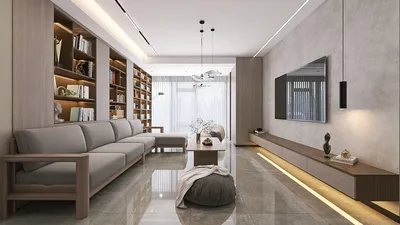


Once, I placed a stylish loveseat right against a wall to optimize space, only to find it wouldn’t recline when the client tried it – leading to an embarrassing moment for me as the designer. This little mishap highlighted that confined areas require innovative solutions: by selecting the appropriate model and making slight adjustments to the layout, a wall-hugger loveseat recliner can exude a sense of luxury rather than feeling cramped. For quick wins, I usually begin by sketching some small-space layout ideas to evaluate sightlines before committing to any heavy lifting.
Tips 1: Opt for Slim Arms and Low Backs
For narrower rooms, I favor loveseats that have slim track arms and a lower back design — they appear visually lighter and allow for more space to walk. The benefit is maintaining seating comfort without sacrificing scale; however, the downside may be less plushness, so seek out those with high-density foam for firmer support.
save pin
Tips 2: Wall-Hugger Mechanism vs Full-Recline
Wall-hugger designs conserve essential inches by sliding forward instead of needing space behind them. They are excellent choices for apartments, but be aware that some mechanisms may be pricier and slightly reduce the recline angle compared to standard recliners. In my projects, I strive to balance quality and budget: select a reliable wall-hugger mechanism and steer clear of the less expensive motors.
save pin
Tips 3: Consider Pathways, Not Just Furniture
Small spaces fail when pathways are overlooked. I typically outline 28–30 inch walkways around seating and test the positioning of the loveseat using mockups — this is where virtual designs like those from Homestyler truly save time and effort. This minor additional step can prevent last-minute repositioning that might scuff your baseboards.
save pin
Tips 4: Multi-Functional Alternatives
Position a slender console or floating shelf across from the loveseat to store drinks and remotes instead of using a bulky side table. This approach keeps sightlines clear and maximizes storage without consuming too much space; while you may sacrifice a bit of surface area, clever trays and magnetic organizers can help mitigate that loss.
save pin
Tips 5: Select Fabrics and Colors to Create an Illusion of Space
Using light neutrals and subtle textures can make a wall-hugger loveseat appear less overwhelming. Stain-resistant performance fabric provides durability without compromising style — especially beneficial in homes with pets and children. When I present a complete concept to clients, I often generate a quick render using tools like Homestyler to confirm scale and lighting; showcasing a realistic before-and-after tends to build their trust more effectively than any brochure.
save pin
FAQ
Q1: What exactly is a wall hugger loveseat recliner?
I would define it as a loveseat that reclines with minimal rear clearance, generally by moving forward during the reclining motion. This makes it an ideal solution for areas that cannot accommodate the standard 12–18 inches behind a typical recliner.
Q2: How much clearance do wall-hugger recliners require?
Most only need about 2–4 inches from the back frame to the wall, but it’s always wise to double-check the manufacturer's specifications for your specific model. Measure carefully — I learned this lesson the hard way.
Q3: Are wall-hugger mechanisms less durable?
Not at all. Durability can vary between brands: mid- to high-end mechanisms often have a longer lifespan. I usually advise checking the recline action in person or reading comprehensive reviews before making a purchase.
Q4: Can a wall-hugger loveseat be electric?
Yes — many electric wall-hugger loveseats are available and come with smooth motors designed for tight spaces. The drawback is a higher price point and the necessity of planning for outlet access or safely concealing cords.
Q5: What's the best method for measuring my space?
Measure the width of walkways, the clearances of doorways, and the precise distance from the wall to the front where the loveseat will be placed. For detailed layout assistance, manufacturers often provide guides; La-Z-Boy’s assembly and setup resources are useful references for clearance and positioning (check La-Z-Boy FAQs at la-z-boy.com).
Q6: Are there budget-friendly wall-hugger loveseats?
Absolutely — affordable options are available, but there may be compromises in fabric quality or mechanism smoothness. I suggest reserving a bit of your budget for an upgraded mechanism if heavy daily use is anticipated.
Q7: Is it possible to retrofit a standard loveseat to convert it into a wall hugger?
Retrofitting is often not worth the effort; both the mechanism and frame need to be designed from the outset to work together. I attempted a DIY modification once and ended up needing to replace parts, which cost more than simply buying the correct model.
Q8: How should I maintain a wall-hugger loveseat recliner?
Keep the moving components clean and well-lubricated as per the manufacturer’s instructions, check electrical parts annually, and vacuum fabric crevices. Regular, light maintenance can prevent most of the squeaks and sticking actions that I often fix on-site.
save pin
Homestyler is your go-to online home design platform! With its user-friendly design tool, stunning 3D renderings, and a wealth of DIY video tutorials, transforming your space has never been easier. Dive into creative design projects and visualize your dream home effortlessly!
Progetta ora GRATIS
































