

Once, I persuaded a client to incorporate full-height wooden slats into a compact dining nook, assuring them it would create a warm, inviting atmosphere. They agreed in return for my guarantee that they would cease their weekly chair rotations. The outcome? A surprisingly delightful transformation—demonstrating that the right wall treatment can significantly enhance the intentionality of a dining space. This experience solidified my belief in the impact of wall panels on the ambiance, scale, and acoustics of a room. Often, I kick off my design projects by using Homestyler to create a photorealistic 3D rendering, enabling me to evaluate the proportions effectively.
1. Vertical Wood Slats for Added Height and Warmth
When faced with low ceilings or when a room demands a contemporary yet warm aesthetic, vertical wood slats are my top recommendation. They not only introduce texture but also disguise minor wall flaws and can be painted or stained to complement any color scheme. However, one consideration is the budget: solid wood can be expensive, whereas engineered wood or MDF slats offer a similar appearance at a more reasonable price.
save pin
2. Classic Wainscoting for Timeless Sophistication
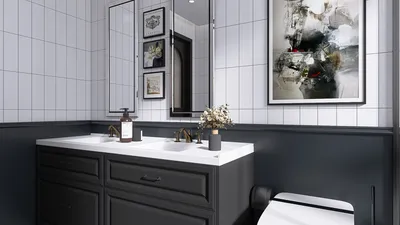
Wainscoting effortlessly elevates the elegance of a dining room while maintaining a subtle presence. It protects the lower sections of walls from scuffs caused by chairs and harmonizes beautifully with wallpaper or a bold paint color above. Precision is key during installation—correctly aligning corners and rail heights is crucial, so consider hiring skilled labor for a polished finish.
save pin
3. Textured Plaster Panels for Subtle Impact
Textured plaster or Venetian finish panels introduce a soft, tactile elegance that pairs particularly well with gentle lighting sources over a dining table. This is an ideal choice for clients aiming for dramatic flair with minimal styling effort. However, maintenance can be a concern: glossier plaster tends to show marks more easily. It's essential to choose finishes wisely and consider sealing them; I sometimes rely on Homestyler to visualize how different finishes interact with furniture placements.
save pin
4. Painted Geometric Panels for Unique Character
Painted geometric panels allow me to showcase my creative side—think bold color blocking, inset frames, or contrasting trims. They are budget-friendly and easy to remove if tastes evolve. The key challenge lies in scale: use small patterns sparingly in compact dining rooms, as larger panels can anchor the space harmoniously alongside rugs and lighting fixtures.
save pin
5. Mixed Materials: Layering Stone, Metal, and Wood
A combination of stone veneer, metal inlays, and wood creates a dimensional, gallery-like wall that enhances the dining experience. This approach is my preferred choice for clients who enjoy entertaining and desire a striking centerpiece. Although this style can be more expensive, careful layering is essential to prevent a heavy appearance. Initiating the process with a scale plan in Homestyler can help avoid unexpected complications.
save pin
Tips 1:
On a tight budget? Often, painting and molding provide the most significant visual impact for minimal expenditure. If sound absorption is a priority, consider adding a fabric panel or an upholstered banquette. Moreover, integrating lighting—such as sconces or picture lighting—will make your panels truly shine after sunset.
save pin
FAQ
Q1: What wall panel styles work best for small dining areas?
A1: Vertical slats or narrow wainscoting tend to visually elongate the space. Opt for lighter colors and matte finishes to prevent excessive light reflection in cozy settings.
Q2: Are wall panels easy to maintain?
A2: Maintenance depends on the material. Painted MDF and sealed wood can be cleaned quickly; however, textured plaster may gather dust and require regular gentle dusting or professional cleaning from time to time.
Q3: Can I undertake wall panel installation myself?
A3: Basic panels and battens are usually DIY-friendly given the right tools, but complex wainscoting, stone veneer, or panels demanding precise miters are best handled by professionals.
Q4: Do wall panels influence room acoustics?
A4: Absolutely. Hard panels can reflect sound, while fabric-backed or softer materials effectively absorb it. A combination of materials or adding textiles can help manage echo, especially in lively dining locations.
Q5: What budget should I allocate for wall panels?
A5: Pricing often varies significantly: DIY-painted panels could cost just a few dollars per square foot, while custom woodwork or stone can soar to hundreds. Always budget an additional 10-20% for unforeseen issues.
Q6: Will installing wall panels harm my walls?
A6: Properly installed panels can be reversed with minimal patching. If renting, utilize removable fixings wherever possible. For permanent installations, anticipate some repair work in the future.
Q7: What finishes are recommended for dining spaces prone to spills?
A7: Semi-gloss or satin finishes are easier to maintain, and sealed wood surfaces resist stains more effectively than untreated options. For high-traffic dining rooms, aim for surfaces that are washable.
Q8: Where can I find information about professional standards for wall treatments?
A8: Organizations such as the American Society of Interior Designers offer guidelines and resources for durable, safe finishes. Visit https://www.asid.org for further information.
save pin
Discover the joy of home design with Homestyler! This user-friendly online platform offers an intuitive design tool, stunning 3D renderings, and a wealth of inspiring design projects and video tutorials. Transform your vision into reality, whether you're a beginner or a seasoned designer!
Desain sekarang Gratis
































