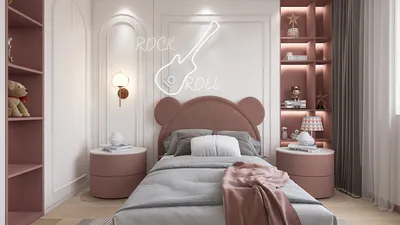


In my experience, I once persuaded a client that a stunning neon flamingo would perfectly complement their serene gray living room. They were on the verge of hiring me until we both realized it bore an uncanny resemblance to a 90s pizza parlor. This memorable moment exemplified that while gray walls serve as a versatile backdrop, it’s the subtle design choices that truly elevate the space. Often, smaller areas encourage us to be more daring in our décor: a gray tone can either soothe, contrast, or recede, depending entirely on the artwork selected.
1. Monochrome Abstracts for a Calm, Modern Look
I enjoy incorporating black-and-white or grayscale abstract pieces on gray walls as they amplify the room's tranquility without clashing with existing decorations. The benefit here lies in the cohesiveness: monochromatic art creates a well-curated gallery vibe and cleverly conceals dust or minor imperfections on the wall. However, achieving the right scale is crucial — a piece that's too small will get lost, while one that’s too large may dominate the space. Pro tip: select frames with thin black or brushed metal edges for a polished appearance. A helpful tool for sizing your artwork can be found in the Homestyler room planner.
save pin
2. Metallic Accents to Add Warmth and Depth
Integrating bronze, gold, or copper elements in wall art can reflect light, infusing warmth into a cool gray setting. For instance, I once placed a hammered copper sculpture above a fireplace, which added a cozy shimmer during the evenings. The potential drawback is the expense involved: authentic metalwork can be quite costly, but you can achieve a similar aesthetic with metallic-ink prints or second-hand mirrors. To play around with layout, employing a free floor plan creator can help you visualize arrangements before purchasing.
save pin
3. Large-Scale Photography for a Contemporary Statement
Showcasing a striking monochrome photograph—whether it’s of architecture, a landscape, or a portrait—can anchor a gray living room beautifully. This bold choice exudes sophistication and modernity. The key is to select an image that encapsulates the room's ambiance without overpowering it. I suggest using matte paper or canvas for printing to avoid glare, ensuring a soft harmony with the gray backdrop.
save pin
4. Textured Wall Hangings to Bring Tactile Interest
Incorporating macramé, woven tapestries, or layered fabric panels introduces a tactile dimension that breaks the monotony of gray without disrupting the color scheme. In a small apartment I redesigned, a neutral macramé piece positioned above the sofa not only enhanced aesthetics but also improved acoustics by softening echoes — a bonus! The only drawbacks are their tendency to collect dust and the need for occasional cleaning. Opt for lighter, removable hangings, which are more suitable for renters.
save pin
5. Pops of Muted Color for Subtle Contrast
If your gray walls have a cooler tone, consider adding artwork with muted blush, sage, or navy hues to create a gentle yet effective contrast. I once paired a cool dove-gray wall with a piece featuring dusty pinks, and it transformed the area into a calming retreat. However, be cautious with bright colors; they may clash with the gray. As a budget tip, framed prints are a cost-effective way to experiment with color schemes before investing in custom pieces. For arranging multi-piece displays, a 3D floor planner like Homestyler can help you preview the layout virtually.
save pin
FAQ
Q: What shade of gray best suits living room art?
A: Mid-tone grays are the most forgiving, allowing both dark and light artworks to be showcased effectively. If you intend to incorporate metallic accents, a cooler gray provides better contrast.
Q: How large should wall art be above a sofa?
A: Aim for artwork that covers approximately 60–75% of the sofa's width; a triptych or a singular large piece typically works best.
Q: Can I mix styles of art on gray walls?
A: Absolutely — gray serves as a neutral backdrop, allowing for a gallery wall effect. Just ensure there’s a unifying feature, such as a common frame color or a recurring theme, to prevent visual chaos.
Q: Are textured hangings suitable for small living rooms?
A: Yes. They add depth without requiring additional floor space, but choose lightweight, easy-to-maintain materials for practicality.
Q: How do I protect art from fading on gray walls near windows?
A: Utilize UV-filtering glass or position artwork out of direct sunlight to significantly reduce fading.
Q: What are budget-friendly ways to add gray-wall art?
A: Affordable options include prints, second-hand frames, and DIY-scaled canvases; even swapping cushions to complement the art provides a refreshing update.
Q: Where can I find tools to plan my living room art placement?
A: Visual planning tools and case studies can expedite decision-making; for example, Homestyler offers practical layout ideas and planning references to inspire your design.
Q: Are there authoritative resources on lighting art correctly?
A: Indeed — museum lighting standards recommend using low UV, directional lighting; refer to IES guidelines for specific measurements.
save pin
Discover the world of home design with Homestyler! This user-friendly platform offers an intuitive online design tool, stunning 3D renderings, and a wealth of inspiring design projects. Plus, you'll find helpful DIY video tutorials to guide you every step of the way. Transform your space effortlessly!
Design Now for FREE
































