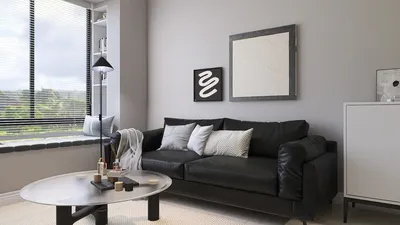


Direct Answer
Vinyl wallpaper generally outperforms fabric-backed wallpaper on damp walls because its impermeable surface prevents moisture intrusion. While fabric-backed wallpaper offers breathability, it can absorb humidity, increasing the risk of mold or adhesive problems in inadequately ventilated areas.
For moisture-prone spaces such as bathrooms, basements, and kitchens, professionals typically favor premium vinyl wallpaper combined with proper wall preparation techniques.
Quick Takeaways
Introduction
Throughout over ten years as an interior designer, I've encountered many homeowners facing challenges choosing the right wallpaper for humid environments. A common query is whether vinyl or fabric-backed wallpaper is better suited for damp walls.
In short: yes, the choice matters significantly. Moisture is a primary cause of wallpaper failure. I've seen beautiful walls develop bubbles or peel within six months due to inappropriate material selection.
Nevertheless, material selection is only part of the equation. Wall preparation, ventilation, and room design play critical roles as well. When designing areas with high humidity, I often utilize spatial planning tools like Homestyler to visualize moisture-prone zones and airflow patterns early in the layout process.
This article will explore how vinyl and fabric-backed wallpapers perform in moist conditions, highlight optimal applications for each, and identify common installation mistakes that lead to failure.
save pin
Why Damp Walls Need Specialized Wallpaper
Key Insight: Conventional wallpaper fails on damp walls because moisture undermines adhesive strength and fosters mold growth beneath the surface.
Humidity doesn’t merely settle on wall surfaces; in bathrooms, kitchens, and basements, moisture often passes through drywall and plaster. Wallpaper that traps this moisture can cause several common renovation issues.
According to EPA guidelines on indoor moisture management, sustained humidity levels above 60% dramatically raise the chances of mold development within building materials. Wallpaper adhesives are particularly susceptible to these conditions.
Therefore, choosing water-resistant wallpaper is not just an aesthetic decision but a critical factor in durability, affecting whether wall finishes last a few months or over a decade.
Vinyl Wallpaper Performance in Humid Environments
Key Insight: Vinyl wallpaper excels in moist spaces due to its vinyl coating that blocks moisture from seeping through.
Vinyl wallpaper is commonly seen in commercial settings like hotels and hospitals because the vinyl layer acts as a protective shield preventing water vapor from infiltrating the substrate.
Practically speaking:
On a bathroom remodel in Santa Monica, replacing peeling traditional wallpaper with a high-grade vinyl material kept the walls pristine after five years of daily steam exposure.
Vinyl wallpaper comes in various forms:
Solid vinyl sheets generally provide superior moisture resistance in damp environments.
save pin
How Fabric-Backed Wallpaper Reacts to Moisture
Key Insight: Fabric-backed wallpaper combines durability with breathability but can absorb moisture if ventilation is insufficient.
Fabric-backed vinyl wallpaper is often valued for its blend of robustness and flexibility, facilitating smooth application of large panels without tearing.
However, in damp areas, the fabric backing presents a compromise.
Moisture may gradually permeate the backing, particularly if walls aren't properly sealed.
Structurally speaking:
In my experience, fabric-backed wallpaper is suitable for moderately humid spaces such as:
Yet in basements or bathrooms with poor ventilation and no exhaust fans, it can trap moisture.
save pin
Durability, Maintenance, and Lifespan Comparison
Key Insight: Vinyl wallpaper generally offers longer service life in humid areas because it is easier to clean and more resistant to surface damage.
When asked which option lasts longer, my answer usually depends on the room's usage patterns.
Here’s a practical overview based on typical home projects.
One overlooked factor is maintenance accessibility. In confined rooms like bathrooms, smooth, wipeable walls simplify routine cleaning.
When planning for humidity-prone rooms, I frequently use Homestyler to run simulations visualizing material behavior under lighting, tile, and airflow influences before installation.
Answer Box
For damp walls, vinyl wallpaper often represents the most reliable choice due to its moisture-blocking properties and low maintenance. Fabric-backed wallpaper is better suited to spaces with moderate humidity and sufficient air circulation.
Cost and Installation Differences
Key Insight: Fabric-backed wallpaper usually costs more and demands skilled installation, whereas vinyl wallpaper is typically simpler and more affordable to install.
Installation complexity can significantly impact the overall project budget.
Common distinctions include:
A frequently hidden expense is the need for wall sealing primers or moisture-resistant coatings before applying wallpaper on damp surfaces.
Omitting this crucial step is the leading cause of unsuccessful, costly wallpaper projects.
Best Wallpaper Choices for Bathrooms, Basements, and Kitchens
Key Insight: Vinyl wallpaper is ideal for rooms with high moisture, while fabric-backed wallpaper performs better in environments with managed humidity.
Drawing from numerous residential projects, here are my typical material recommendations by room type.
For thorough bathroom planning, tools like Homestyler enable visualization of moisture exposure zones to guide material selection.
save pin
Final Summary
FAQ
Is vinyl wallpaper suitable for damp walls?
Absolutely. Vinyl wallpaper is highly recommended for damp walls due to its waterproof surface that impedes moisture penetration.
Can fabric-backed wallpaper be installed in bathrooms?
It is viable in well-ventilated bathrooms, but vinyl wallpaper generally performs better where steam and moisture levels are higher.
What wallpaper type is best for humid rooms?
Solid vinyl wallpaper is widely regarded as the top choice for humid rooms because of its moisture resistance and easy cleaning capabilities.
Does vinyl wallpaper prevent mold growth?
Vinyl wallpaper reduces mold risk by blocking moisture, but adequate wall sealing and ventilation remain essential.
Is fabric-backed wallpaper more durable?
Structurally, the fabric backing adds strength; however, humidity can still adversely affect it if moisture becomes trapped.
Can wallpaper be applied on walls that are slightly damp?
No. Walls need to be completely dry before wallpaper installation to ensure adhesive effectiveness.
How long does vinyl wallpaper last in humid conditions?
Properly installed vinyl wallpaper can endure 10 to 15 years even in highly humid kitchens or bathrooms.
What causes wallpaper to peel in moist rooms?
Peeling typically results from moisture weakening adhesives or improper wall sealing before installation.
References

Homestyler offers an easy-to-use online design tool with stunning 3D renderings, a vast collection of interior design projects, and helpful DIY video tutorials—perfect for bringing your home design ideas to life effortlessly.
立即免费设计
































