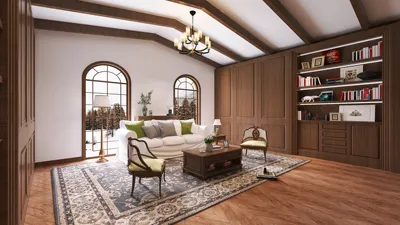


In my experience, I once accepted a client's request to paint a Victorian bay window bubblegum pink, confidently believing it matched their wallpaper—what a learning curve that was! This incident highlighted the importance of creating a mock-up first before making bold color choices based on nostalgic memories at odd hours. It became clear to me that small historic homes could unleash tremendous creativity, emphasizing that visualizing options in context is paramount. For those looking to see how various colors interact, I often suggest utilizing a room mock-up, and one of the best tools for this is Homestyler, as it allows you to make informed choices confidently.
1. Classic Heritage Palette
One of my favorite approaches is to adopt a timeless Victorian color scheme: warm off-whites for the main body, complemented by deep greens or rich oxblood for the trim, and finished with black or dark grey accents. This combination instantly reflects the period’s authenticity while accommodating ornate details. However, keep in mind that richer hues may show wear more quickly, so preparation for touch-ups is essential. As a budgeting tip, it's wise to conduct a small test on plaster to see how changing light conditions affect the hue before committing to larger quantities.
save pin
2. Moody Jewel Tones
When a client expressed a desire for drama, we selected teal shutters, deep plum siding, and brass hardware—which turned heads throughout the entire street. While this choice provides bold curb appeal, darker colors tend to absorb heat and may fade more rapidly, making UV-resistant paints a must. A clever trick is to opt for lighter shades for window frames to strike a balance with the intensity, preserving that moody Victorian charm.
save pin
3. Soft Pastels with Bold Trim
For narrow terraces or quaint cottages, pastel facades like pale mint, buttery yellow, or powder blue can really bring a house to life, while striking trims in cherry red or charcoal ground the design. This approach offers a cheerful and modern look; however, an overabundance of pastels can give off a toy-like appearance, so contrasting details play a crucial role. To ensure you achieve the perfect aesthetic, consider creating a 3D render of your facade using Homestyler, allowing you to see how light interacts with the materials and trims before you proceed with painting.
save pin
4. Modernized Neutrals
For clients who appreciate historic aesthetics but prefer low-maintenance solutions, I often guide them toward layered neutral tones: a warm taupe base, soft white for trim, and a bold color for the front door. This combination conveys a timeless feel while minimizing upkeep; though purists might argue it lacks character, I personally embrace the tranquility it brings to busy urban settings. Choose satin finishes on trims for easier cleaning and opt for flatter sheens on decorative cornices to conceal imperfections.
save pin
5. Patterns, Panels, and Accent Surfaces
Never underestimate the impact of a painted panel, stenciled design, or a darker cornice band—these subtle enhancements can suggest intentional design and are surprisingly cost-effective. One memorable project involved refreshing a tired Victorian home with a soft robin's egg blue porch ceiling and a dark band under the eaves, which inspired numerous neighbors to ask for my contact information. For quicker brainstorming, I utilize AI design options, like those found in Homestyler, to offer varied suggestions when clients are torn between several appealing ideas.
save pin
FAQ
Q1: What colors are most authentic for Victorian exteriors?
A1: Authentic Victorian exteriors typically feature rich, earthy colors such as oxblood, olive green, umber, and cream for trims. Historical paint guides and period photographs support these choices, ensuring they resonate with their original essence.
Q2: Is it acceptable to use modern paints on historic homes?
A2: Absolutely—modern paints offer enhanced adhesion and durability, but it's vital to select breathable formulas particularly for lime-based or softer surfaces to prevent moisture entrapment.
Q3: How do I choose between body and trim colors?
A3: Determine whether you want the architecture to stand out (by using contrasting trim) or blend in (with similar tones). I typically select the body color first, then test trim colors that are two shades lighter or darker when viewed in natural light.
Q4: Are there environmental factors to consider when choosing paint for Victorian homes?
A4: Opting for low-VOC and water-based exterior paints diminishes emissions and enhances performance; when dealing with older wood, be sure to use primers that resist tannin bleed.
Q5: How can I effectively test paint colors before making a final decision?
A5: Create large test panels on various elevations and monitor how they appear at different times of day. Photos can often be misleading; experiencing the paint in both morning and late afternoon light is invaluable.
Q6: Do historical districts impose restrictions on paint colors?
A6: Many preservation areas have specific guidelines—it's essential to consult local regulations before commencing painting. When in doubt, take samples and relevant documentation to the review board to expedite approvals.
Q7: Where can I obtain reliable advice on period-appropriate colors?
A7: Institutions like the National Trust offer expert insights into traditional paint palettes and conservation strategies; for detailed guidance, you can visit their site at https://www.nationaltrust.org.uk/features/tips-for-painting-period-homes.
Q8: How much should I allocate for repainting a Victorian exterior?
A8: Costs can fluctuate depending on size and condition—consider factors like surface preparation, primer application, and multiple topcoats. A good rule of thumb is to reserve additional funds for repairs on intricate trims and select higher quality pigments that withstand fading.
Discover the ease of home design with Homestyler! This user-friendly platform offers an intuitive online design tool and stunning 3D renderings, allowing you to explore a variety of design projects. Plus, with engaging DIY video tutorials, transforming your space has never been more inspiring!
Projete agora para LIVRE
































