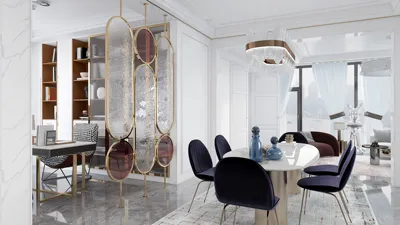


The future is defining ambition with minimalistic living spaces while we grapple with the challenge of fragmentation, where work, relaxation, and community coexist in just 700 square feet. According to the AIA, there’s an emerging trend in multi-family renovations emphasizing flexible partitions and micro-zoning, indicating a transformation in how we designate rooms for various functions. I came across a floor plan for a 700 square foot three-level apartment that exemplifies this concept of stacked living—a design that integrates three distinct timelines within a single structure. The future is rapidly evolving, and I am already crafting designs to align with this shift.
spatial reasoning toolkit
Lower Level: Studio-Core + Shared Utility
Design Logic: The ground floor serves as a multifunctional studio core, complete with an entryway, utility wall, foldable workbench, and a micro lounge. The focus is on a versatile primary space that allows for work and transition in one cohesive module.
Flow: Entry door → drop zone → utility spine → workbench → cozy lounge → staircase; this streamlined design eliminates cross-traffic and designates the stairs as the central hub for movement.
Sightlines: From the entrance, a clear view to the utility wall; the staircase acts as a vertical focal point while side windows soften the depth perception.
Storage: Full-height utility cabinets, under-stair storage, and overhead compartments; all labeled and modular for daily functions.
Furniture Fit: A foldable 24"-deep bench, a compact 72" sofa, and a slim console—all designed within tight space constraints to maintain an unobstructed flow.
Verdict: This foundational layer stabilizes daily routines—arrivals, focused work sessions, and quick breaks—allowing the upper levels to concentrate on specialized functions without disarray.
save pin
Mid Level: Kitchen-Dining + Adaptive Media
Design Logic: The middle level is where warmth and conversation thrive, featuring a galley kitchen and a dining area that shifts to serve media purposes. Modern families are starting to view cooking as an interactive system—flexible, easily repairable, and inherently social.
Flow: Stair landing → pantry area → cooking zone → dining table → media wall; each layout efficiently integrates tasks into a seamless workflow.
Sightlines: The linear cooking line allows for a longer perspective; the dining table acts as the focal point, with the stairwell providing a vertical cue for movement.
Storage: A spacious 48" pantry, toe-kick drawers, and ceiling rails for hanging pots, all designed for predictable retrieval.
Furniture Fit: 30" deep countertops, a 36" aisle, and a 60" dining table that rotates; the media console is designed to be less than 14" deep to maintain clear movement pathways.
Verdict: Mealtime, meetings, and movie nights unfold like a well-orchestrated performance—minimal movement with maximum coherence in daily routines.
save pin
Upper Level: Sleeping Loft + Bath Pod
Design Logic: The upper floor functions as a tranquil retreat featuring a sleeping loft, compact bath pod, and micro wardrobe. Future wellness designs prioritize acoustic privacy and natural light.
Flow: Stair → wardrobe boundary → sleeping area → bath pod; a short, intimate routine that unfolds quietly and efficiently.
Sightlines: Low windows frame the sky like a HUD display; the bed is positioned to avert direct sight of the stairs, preserving mental clarity.
Storage: A wardrobe wall with vertical divisions, drawers under the bed, and niches in the bath; storage solutions are categorized by usage frequency.
Furniture Fit: A queen-sized platform bed at 60" × 80" surrounded by a 30" path; a vanity maintains an 18" depth to respect limited space.
Verdict: The loft configures sleep and rejuvenation, designed to adapt to circadian rhythms and quiet technologies that minimize distractions.
save pin
Final Takeaway
The 700-square-foot, three-level apartment design represents a vertical living interface where daily routines are layered rather than spread out in an expansive area. Its various interpretations—including micro loft living, split-level apartments, and stacked studios—illustrate that future comfort emerges from organized choreography rather than mere square footage. Concepts like "vertical micro living" and “tri-level compact layout” will keep this approach sustainable. From my perspective, the most intelligent homes of the future will not necessarily be larger; they will be more purposefully designed, and I continue to create them using tools like Homestyler to shape intentional living.
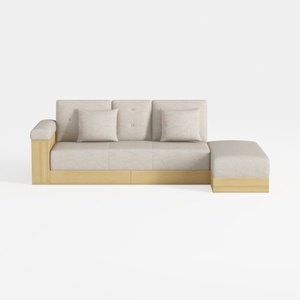
Minimalist Linen Solid Wood Sectional Sofa 3D Model
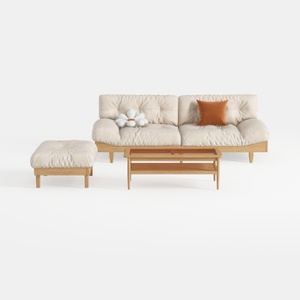
Minimalist Solid Wood Fabric Sofa Ottoman Coffee Table Set 3D Model

Minimalist Oak Metal Dining Table Modern Simple 3D Model
Homestyler is your go-to online home design platform! With its user-friendly design tool, stunning 3D renderings, and a wealth of inspiring design projects, you can easily transform your space. Plus, their DIY video tutorials make home design accessible and fun for everyone.
今すぐ无料でデザイン
































