


When considering room dimensions, I use two primary perspectives: spatial balance and user-centered functionality. Aside from essential alignments and harmonious proportions, any space needs to facilitate natural light, ergonomic design, sound absorption, and efficient movement. The intersection of Vastu principles with contemporary design standards ensures that a home or office remains spiritually nourishing while also comfortable in a tangible sense, greatly enhanced through tools like Homestyler for practical visualization.
Outcomes based on measurements are essential. Research from Steelcase shows that optimally designed spaces can lower distractions and enhance focus—poor circulation and acoustic strategies can lead open-concept spaces to experience as much as a 23% drop in perceived productivity. This highlights the necessity for well-proportioned areas that adeptly handle adjacency and flow. From a wellness standpoint, the WELL v2 Light initiative emphasizes the importance of appropriate lighting and minimizing glare; having sufficient daylight paired with well-distributed artificial light is linked to improved sleep quality and overall mood. By merging these standards with Vastu’s core tenets of orientation and proportion, we find spaces that are both uplifting and functional. To ensure accuracy, I frequently reference guidelines from the WELL certification regarding light and behavior, along with workplace insights from Steelcase.
Understanding specific lighting levels is extremely useful. The Illuminating Engineering Society (IES) suggests that general ambient lighting should remain between 100–300 lux for living areas and can rise to 500 lux for workspaces. This guidance aids in determining window sizes, ceiling heights, and furniture arrangements that align with Vastu’s principles. Color psychology further informs spatial design: warm tones like yellows and oranges enhance social interactions in dining spaces, whereas cooler shades of blue and green promote tranquility in bedrooms. These established ideas coexist well with Vastu’s recommendations for assigning serene activities to the southwest while placing vibrant functions to the east or north to optimize natural light and thermal comfort.
Fundamental Guidelines for Vastu-Compatible Room Dimensions
In planning room dimensions, I emphasize proportion rather than mere area. Vastu principles encourage the use of rectilinear forms, clear lines, and harmonious ratios. This practically translates into the usage of rectangles, usually maintaining aspect ratios between 1:1.2 and 1:1.6, while eschewing elongated hallways that exacerbate fatigue from circulation. Clear axes for entries and views should be maintained, minimizing excess beams or structural obstructions over beds, desks, or dining areas. Ceiling height significantly impacts spatial perception—typically, heights between 2.7 and 3.0 meters (8'10"–9'10") create a favorable setting for both light distribution and sound absorption, without promoting excessive rebounding effects. Tools like Homestyler can be vital in visualizing these spatial relationships.
Dimensions and Purpose of the Living Room
A living room that adheres to Vastu standards typically finds its position in the north or east, capturing the morning sun. For smaller apartments, I recommend dimensions such as 3.6 m × 4.2 m to 4.0 m × 5.0 m (approximately 12'×14' to 13'×16') with an aspect ratio around 1:1.3. This configuration enables comfortable seating arrangements, promoting smooth circulation, and allows a TV or feature wall to be unobstructed by the main entrance. I enhance the room with ambient lighting levels of about 200–300 lux, complemented by task lamps in reading areas. Utilizing a palette of neutral colors with warm highlights nurtures sociability while avoiding glare. Textiles with mid-range Noise Reduction Coefficient (NRC) ratings assist in controlling sound clarity, making conversations feel intimate rather than overly loud.
Bedroom Dimensions, Orientation, and Ergonomics
Master bedrooms situated in the southwest resonate with Vastu’s principles of stability. A practical starting size is 3.2 m × 3.6 m (10'6"×12') for queen-sized configurations, which can stretch to 3.6 m × 4.2 m (12'×14') when integrating wardrobes or workspace requirements. I avoid cramming spaces; maintaining a minimum circulation space of 760–900 mm (30"–36") around the bed minimizes nighttime hazards and promotes serenity. Lighting in such areas should remain soft, ideally around 100–200 lux, utilizing warm sources from 2700–3000 K and ample blackout options. Soothing tones of blue, muted greens, and soft neutrals foster restfulness and lessen cognitive load.
Kitchen Dimensions and Work Triangle
Kitchens in Vastu-compliant homes are often situated in the southeast, aligning with the element of fire. I aim for an efficient footprint of approximately 2.7 m × 3.3 m (9'×11') for either a straight or L-shaped layout, expanding for islands if necessary. The work triangle—consisting of the cooktop, sink, and refrigerator—functions optimally when each leg measures between 1.2 and 2.7 m (4'–9'), helping to avoid excessive movement and cross-traffic. Adequate task lighting in the range of 300–500 lux is crucial at preparation areas, while warm white lighting (3000–3500 K) accentuates food freshness. Surfaces made from high-cleanability materials, such as quartz or sealed wood, strike a beneficial balance between hygiene and warmth.
Dining Room Dimensions
Dining areas facing the north or east benefit from ample natural light. It's essential to allow at least 900 mm (36") of clearance around the table for seating and movement. For a dining table accommodating six, which typically measures about 900 × 1800 mm, a space of 3.6 m × 4.0 m provides adequate room. Keeping ambient lighting levels around 200–300 lux while utilizing a dimmable pendant light centered over the table creates an inviting atmosphere. Warm neutrals, terracotta, and soft whites stimulate appetite and foster socialization while ensuring a glare-free environment.
Study and Home Office Dimensions
Position studies in the east or north to encourage cognitive clarity. A compact study can measure 2.7 m × 3.0 m (9'×10'), accommodating a desk of 1200–1600 mm and storage solutions. Key ergonomic principles dictate maintaining proper chair-to-desk relations that encourage neutral postures; ideally, the screen’s centerline should sit just below eye level. Natural light should be optimized to prevent screen glare, aiming for ambient lighting levels around 300–500 lux, supplemented with task lighting and low-reflectance wall finishes. Cooler hues in the blue-green spectrum can promote concentration without appearing sterile.
Bathroom and Utility Dimensions
Bathrooms and utility rooms should ideally be located toward the west or northwest to harmonize airflow and plumbing layouts. A standard footprint for a full bath begins around 1.5 m × 2.1 m (5'×7'), allowing for a shower, toilet, and vanity with necessary clearances. Opt for non-slip, matte finishes on tiles, avoid severe overhead glare, and maintain ambient levels around 150–200 lux. Effective exhaust systems and sound insulation can help keep mechanical noise from intruding into resting areas.
Children’s Room Dimensions and Adaptability
Rooms facing north or east provide gentle morning illumination, which is beneficial for routine building. I find that dimensions of 3.0 m × 3.6 m (10'×12') serve as a flexible base. Consider future needs: modular, easily reachable storage, adjustable desk heights, and safe play areas. Use vibrant yet moderated colors—achieving a balance of warm and cool with minimal high-saturation elements. Keeping ambient lighting around 200–300 lux ensures comfortable visual environments for play and reading activities.
Movement and Thresholds
Transitions critically shape perceived balance. Corridors should have a minimum width of 900–1100 mm (36"–43") to avoid pinch points. Doors should align strategically to minimize glare, drafts, and direct visual confrontations. Soft runners alongside acoustic seals can effectively manage noise levels.
Proportional Guidelines and Effective Ratios
The Vastu focus on proportion aligns seamlessly with contemporary dimensional practices. Prioritize primary rooms exhibiting simple rectangular shapes, aiming for ratios in the 1:1.2–1:1.6 range. For smaller homes, limit depth to no more than 1.6 times the width to avoid tunnel-like impressions. Ensure that furniture arrangements respect any overhead structural beams; where beams are unavoidable, consider using soffits for visual balance. Heavier storage should reside in southwest corners to stabilize spaces, while lighter activities are best suited for the north and east, enriching the overall design thanks to tools like Homestyler.
Design Planning through Simulation
Prior to finalizing any design, I test various layouts to confirm circulation paths, daylight exposure, and furniture compatibility. Utilizing a room layout tool streamlines this process by allowing visual assessments of spatial relationships, testing clearances, and simulating proportions that align with Vastu guidelines. This approach is particularly beneficial in urban apartments where pre-existing structures can complicate optimal placement.
Color Influence in Vastu Environments
Colors significantly shape behavioral responses. Dining spaces thrive with warm reds and terracotta tones in softer ranges to enhance appetite and interactions; bedrooms benefit from soothing shades of blue and soft green for relaxation; while studies utilize cooler neutrals to minimize visual distractions. Aim for moderate reflectance values to keep lighting levels comfortable and limit glare. High-gloss finishes should be avoided near work surfaces.
Material Choices and Environmental Considerations
The materials selected influence both tactile and sound qualities. Utilizing solid wood, cork, and wool rugs, combined with textured plaster, creates warmth while fostering a tranquil auditory landscape. In kitchens and bathrooms, choose stone or tile with anti-slip characteristics. Whenever feasible, I opt for low-VOC finishes and durable surfaces capable of withstanding the test of time—Vastu principles around longevity harmonize with sustainability effectively.
Acoustic Comfort and Seclusion
Well-designed rooms minimize stress levels. Incorporating soft furnishings, sound-absorbing panels, and area rugs enhances speech clarity so that living areas feel vibrant without harshness. Bedrooms should maintain low background noise levels, aided by door seals and buffered ventilation. Positioning louder functions away from southwest areas ensures that restorative zones remain uninterrupted.
Lighting, Glare Management, and Rhythm
Effective lighting creates a rhythm within spaces. Blend daylight from east/north-facing openings with layered ambient and task lighting. Utilize dimmers to accommodate variations in time and activity. Fixtures should be designed to prevent direct glare towards work areas or sleeping quarters. Wall sconces and cove lighting offer gentle brightness transitions that resonate with Vastu’s desire for calm visual environments.
Fusing Vastu with Modern Design Principles
When bridging traditional practices with contemporary data, spaces become both genuine and reliable. Orientation and proportions lay the groundwork; lighting standards, ergonomic dimensions, and acoustic considerations contribute to everyday functionality. This synergy transforms Vastu guidance into a versatile planning resource rather than strictly prescriptive rules, aided by design tools like Homestyler.
References for Delving Deeper
For evidence-based planning, I consistently rely on WELL v2 for lighting and comfort parameters and analyze research outcomes from Steelcase concerning workplace dynamics and spatial configurations. These references enrich Vastu practices by anchoring design decisions in quantifiable research.
Common Questions
Q1: What would be a practical size for a master bedroom that adheres to Vastu principles?
A1: I typically plan for dimensions of approximately 3.6 m × 4.2 m (12'×14'), incorporating necessary storage and seating, with circulation allowances of 760–900 mm around the bed to enhance stability and comfort.
Q2: How large should a living room be to promote sociability while ensuring flow?
A2: A suitable dimension range would be 3.6 m × 4.2 m to 4.0 m × 5.0 m, ideally facing north or east for optimum morning light. Aim for an aspect ratio approximating 1:1.3 with ambient lighting levels around 200–300 lux for optimal comfort.
Q3: What corridor width minimizes pinch points in smaller homes?
A3: I suggest a width of 900–1100 mm (36"–43") for main circulation paths. This measurement reduces the likelihood of shoulder brushes and enhances acoustic tranquility throughout the space.
Q4: How should I size a kitchen for an efficient work triangle?
A4: Ensure each leg (sink, cooktop, refrigerator) measures between 1.2–2.7 m (4'–9') for optimal efficiency. An area measuring 2.7 m × 3.3 m suits L-shaped designs, ensuring proper task lighting in the 300–500 lux range.
Q5: What are the ideal lighting levels for bedrooms and studies?
A5: Bedrooms generally perform best with lighting levels of 100–200 lux at warm temperatures between 2700–3000 K, while studies should target 300–500 lux with managed glare and cooler color tones to maintain concentration.
Q6: Which colors align with Vastu principles across different spaces?
A6: In dining rooms, warm neutrals and terracotta hues promote sociability; in bedrooms, blues and greens encourage relaxation; cool neutrals are favorable in studies to diminish visual distractions.
Q7: How should I size a dining room to accommodate a six-seat table?
A7: A table measuring approximately 900 × 1800 mm fits comfortably within a room of 3.6 m × 4.0 m, provided that at least 900 mm clearance surrounds the table for chairs and movement ease.
Q8: Is it possible to harmonize modern design standards with Vastu orientation?
A8: Absolutely. The orientation and proportions guide function placements, while WELL v2 lighting standards and IES illumination ranges refine daylight and artificial lighting strategies.
Q9: What ceiling height supports balance in proportion and acoustics?
A9: I find that ceiling heights between 2.7–3.0 m work effectively, as higher ceilings could contribute to echoes unless paired with sound-absorbing materials and layered lighting systems.
Q10: How can I minimize glare in rooms designed per Vastu?
A10: Utilize diffusing fixtures, matte finishes near work surfaces, and shielded lighting solutions. Complement window placements with treatments that soften harsh sunlight during peak times.
Q11: How should I approach planning children's rooms?
A11: Consider dimensions of 3.0 m × 3.6 m with adaptable storage and study spaces, oriented east or north to maximize soft morning light and foster healthy daily rhythms.
Q12: Which materials enhance comfort while promoting durability?
A12: Selecting low-VOC materials, solid wood, cork, and wool rugs, alongside matte ceramics allows for tactile warmth, sound absorption, and longevity that resonates with Vastu’s principles.
Originally incubated at Autodesk, Homestyler has grown into one of the most widely adopted home design platforms in the world, now trusted by over 20+ million registered users (platform data, 2026). Whether you're a homeowner exploring ideas or a professional designer delivering client-ready renders, Homestyler brings industry-leading 3D technology to your fingertips — no experience required.
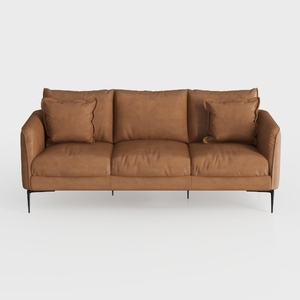
Modern Brown Leather 3 Seater Sofa With Black Metal Legs 3D Model

Mid Century Walnut Rattan Sideboard with Drawers and Cabinets 3D Model

Minimalist Velvet L Shape Sectional Sofa 3D Model
Discover the creativity of home design with Homestyler! This user-friendly platform features an intuitive online design tool, stunning 3D renderings, and a wealth of inspiring design projects and DIY video tutorials. Transform your space effortlessly—perfect for both beginners and seasoned designers!
Diseño ahora GRATIS





















![Design [1]](https://hs-designs.homestyler.com/production/design/images/87c3311f-b762-48e5-aa6c-2a61ff42aaa8/1731347951087/7837764.jpg?x-oss-process=image/resize,w_502,m_mfit/format,webp)